
When it comes to managing high blood pressure, dietary adjustments can be as powerful as medication for some people. Among the most effective natural strategies is increasing potassium intake—a mineral that counters the effects of sodium, a known contributor to hypertension. New research underscores that certain potassium-rich foods can reduce blood pressure nearly as effectively as cutting back on salt, offering a simple yet impactful way to improve cardiovascular health without drastic lifestyle changes.
Potassium’s role in blood pressure regulation is well-documented, but its potential to rival salt reduction as a standalone intervention has gained renewed attention. According to the American Heart Association, foods high in potassium help mitigate sodium’s harmful effects by promoting its excretion through urine and relaxing blood vessel walls. While the Dietary Approaches to Stop Hypertension (DASH) eating plan has long emphasized potassium-rich foods like bananas, sweet potatoes, and leafy greens, recent studies suggest that specific fruits may deliver particularly strong benefits—comparable to the impact of reducing dietary salt.
The standout contender? Bananas. A medium banana contains approximately 451 milligrams of potassium, making it one of the most accessible and potent sources. But bananas aren’t alone. Other fruits like oranges, avocados, and kiwis also pack significant potassium, while vegetables such as spinach, tomatoes, and white beans offer additional options. The key lies in consistency: incorporating these foods into daily meals can gradually lower blood pressure, particularly in individuals with prehypertension or stage 1 hypertension.
Why Potassium Works: The Science Behind the Fruit
Potassium’s mechanism is straightforward yet profound. Sodium tends to constrict blood vessels and retain fluid, increasing pressure against arterial walls. Potassium, however, acts as a natural vasodilator, helping to counteract these effects. Research published in the Journal of the American College of Cardiology highlights that for every 1,600-milligram increase in daily potassium intake, systolic blood pressure can drop by about 4.5 mmHg—a reduction comparable to the effects of some antihypertensive medications in high-risk individuals.
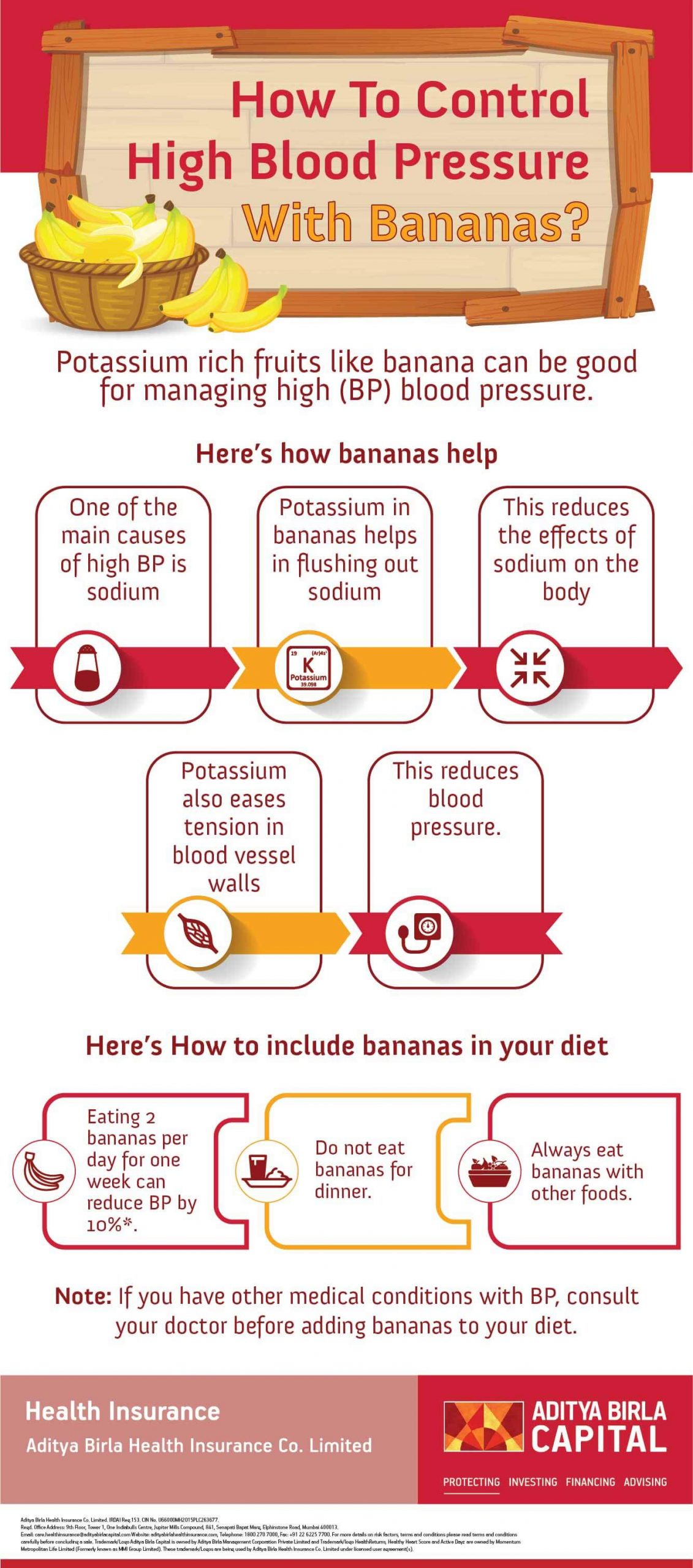
What makes this discovery particularly compelling is its accessibility. Unlike medications, which require prescriptions and adherence to dosing schedules, potassium-rich foods are widely available, affordable, and effortless to incorporate. For example, a diet rich in potassium has been shown to reduce the risk of stroke by up to 20% in populations with high sodium consumption, according to a meta-analysis reviewed by the World Health Organization. This makes dietary potassium a cornerstone of primary prevention, especially in regions where salt intake remains elevated.
The Fruit That Stands Out: Bananas and Beyond
While the broader category of potassium-rich foods deserves attention, bananas have emerged as a frontrunner due to their convenience, and potency. A single banana provides nearly 13% of the daily recommended potassium intake for adults (3,500–5,000 mg). However, other fruits and vegetables offer comparable benefits:
- Oranges: One large orange delivers around 332 mg of potassium, along with vitamin C and fiber.
- Avocados: Half an avocado contains roughly 485 mg of potassium, paired with heart-healthy monounsaturated fats.
- Kiwis: Two kiwis provide about 500 mg of potassium, along with digestive enzymes and antioxidants.
- Sweet Potatoes: Half a cup of cooked sweet potato offers 286 mg of potassium, with added vitamin A and complex carbohydrates.
- Spinach: One cup of cooked spinach contains 839 mg of potassium, making it one of the most concentrated vegetable sources.
For those who struggle to meet potassium needs through diet alone, supplements may be considered—but only under medical supervision. Excessive potassium can be dangerous for individuals with kidney disease or those taking certain medications, such as ACE inhibitors or potassium-sparing diuretics.
Practical Steps: How to Integrate Potassium-Rich Foods
Transitioning to a potassium-rich diet doesn’t require drastic changes. Small, sustainable swaps can make a meaningful difference:
- Breakfast: Swap processed cereals for oatmeal topped with banana slices and a handful of spinach.
- Lunch: Replace white rice with quinoa or sweet potatoes, and add avocado to salads.
- Snacks: Opt for fresh fruit like oranges or kiwis instead of chips or candy.
- Dinner: Incorporate leafy greens into stir-fries or soups, and use tomatoes as a base for sauces.
reducing sodium intake amplifies potassium’s effects. The American Heart Association recommends limiting sodium to no more than 2,300 mg per day (or 1,500 mg for high-risk individuals), while increasing potassium to at least 3,500 mg daily. This dual approach has been shown to lower blood pressure more effectively than either strategy alone.
Who Benefits Most? Targeting High-Risk Groups
While anyone can benefit from a potassium-rich diet, certain groups stand to gain the most:
- Individuals with prehypertension or stage 1 hypertension: Early intervention can prevent progression to more severe stages of high blood pressure.
- Older adults: Aging often reduces kidney function, making sodium retention more likely and potassium’s vasodilatory effects more critical.
- African Americans: This population has a higher prevalence of hypertension and may experience greater blood pressure reductions from dietary potassium.
- People with metabolic syndrome: Potassium’s role in improving insulin sensitivity and reducing inflammation aligns with managing multiple risk factors.
For those with kidney disease or other conditions affecting potassium metabolism, dietary adjustments should be made in consultation with a healthcare provider. Blood tests can help monitor potassium levels and ensure safety.
Beyond the Plate: Lifestyle Synergies
Dietary potassium works best when paired with other heart-healthy habits:
- Regular physical activity: Exercise enhances potassium’s effects by improving vascular function and reducing arterial stiffness.
- Stress management: Chronic stress elevates blood pressure; mindfulness practices and adequate sleep support potassium’s regulatory role.
- Avoiding tobacco and excess alcohol: Both substances impair potassium balance and exacerbate hypertension.
Emerging research also suggests that gut microbiota may influence how well the body absorbs and utilizes potassium. Probiotic-rich foods like yogurt and fermented vegetables could further enhance cardiovascular benefits, though more studies are needed to confirm this link.
What’s Next? Research and Policy Directions
The next frontier in potassium research lies in personalized nutrition. Scientists are exploring how genetic variations in potassium metabolism—such as those affecting the KCNJ family of potassium channels—might influence individual responses to dietary potassium. Early studies suggest that some people may require higher intakes to achieve the same blood pressure reductions, paving the way for tailored dietary recommendations.

On a policy level, public health initiatives are increasingly emphasizing potassium-rich foods in national dietary guidelines. For example, the U.S. Dietary Guidelines for Americans now highlight potassium as a key nutrient for blood pressure control, alongside sodium reduction targets. Similar shifts are underway in Europe and Latin America, where hypertension remains a leading cause of cardiovascular disease.
Key Takeaways
- Potassium-rich fruits and vegetables can reduce blood pressure nearly as effectively as cutting salt, particularly in individuals with prehypertension or stage 1 hypertension.
- Bananas, oranges, avocados, kiwis, and sweet potatoes are among the most potent sources, with each serving providing hundreds of milligrams of potassium.
- Combining potassium-rich foods with sodium reduction, exercise, and stress management yields the strongest cardiovascular benefits.
- Individuals with kidney disease or certain medications should consult a healthcare provider before increasing potassium intake.
- Future research may enable personalized potassium recommendations based on genetic and metabolic profiles.
As global health priorities shift toward preventive care, the role of dietary potassium in hypertension management is clearer than ever. By making simple, evidence-based changes—starting with a banana or a handful of spinach—individuals can take meaningful steps toward healthier blood pressure and a reduced risk of heart disease. For those ready to explore further, the American Heart Association’s potassium resources offer practical guidance and meal planning tools.
Have you incorporated potassium-rich foods into your diet? Share your experiences or favorite recipes in the comments below, and help others discover the power of this simple yet transformative nutrient.