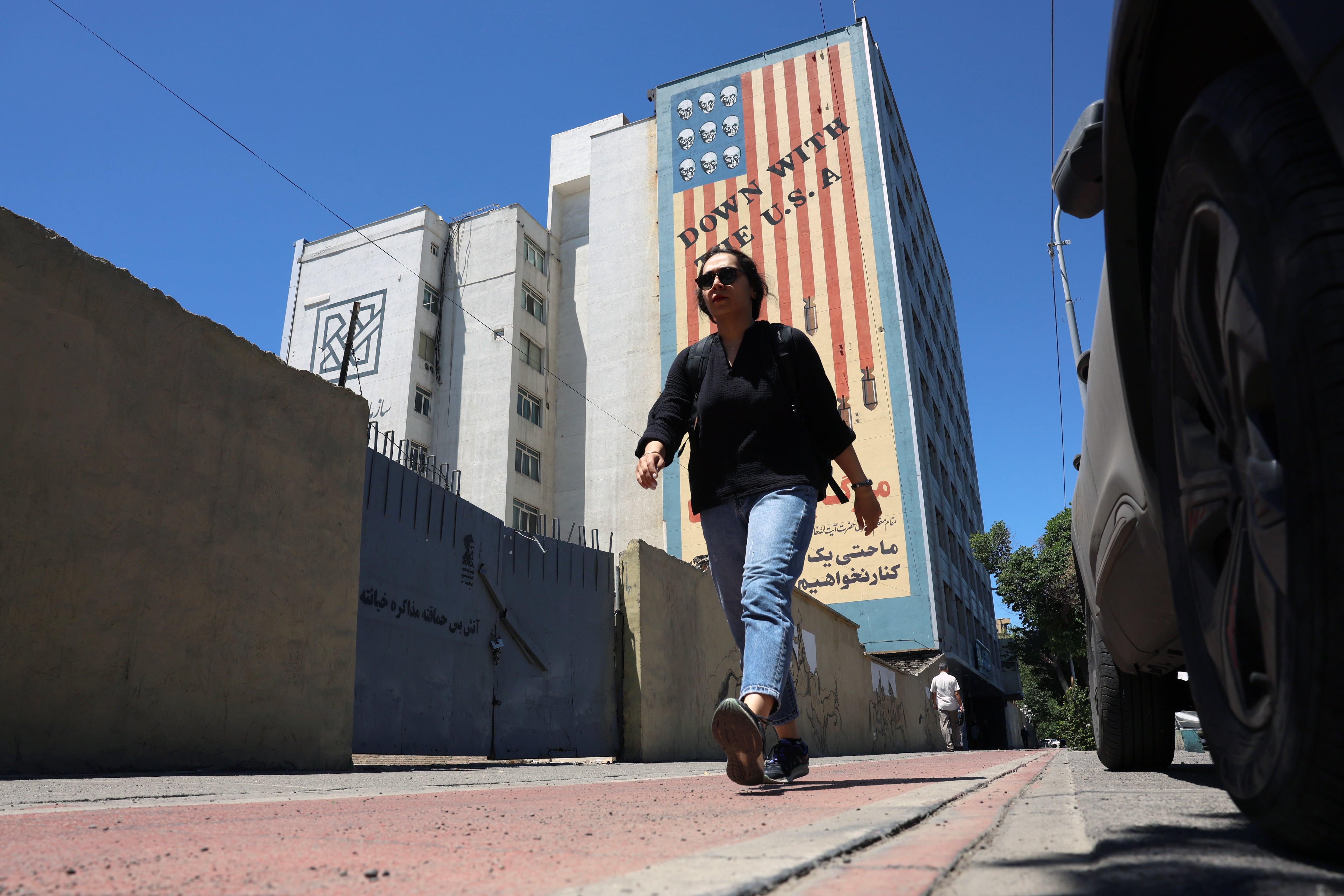
The geopolitical landscape between Washington and Tehran remains characterized by a delicate duality: a public exchange of sharp rhetoric mirrored by ongoing, high-stakes diplomatic engagement. As both nations navigate the complexities of their current relationship, the tension remains palpable, marked by recent military activity and a persistent, if cautious, adherence to a framework of de-escalation that has been in place since early April.
For those following international affairs, this situation represents a critical juncture in U.S.-Iran relations. While the rhetoric often points toward potential further conflict, the underlying diplomatic efforts—which the White House has described as being in their final stages—suggest a mutual interest in avoiding a total collapse of peace negotiations. The challenge for both capitals is to manage these domestic pressures and military posturing without derailing the progress that diplomats claim is within reach.
Military Posturing and Diplomatic Persistence
The recent cycle of escalation began with reports of U.S. Military strikes targeting military installations in southern Iran, an action that prompted an immediate response from the Islamic Revolutionary Guard Corps (IRGC). The IRGC, a key branch of the Iranian Armed Forces, has publicly warned of potential retaliatory measures in the wake of these strikes. Such maneuvers are not uncommon in the long-standing friction between the two nations, yet they serve as a stark reminder of the fragile nature of current security arrangements.
Despite these developments, the narrative emanating from Washington continues to emphasize that a pre-agreement is potentially days away. This persistent optimism from U.S. Officials suggests that, despite the visible friction, back-channel or formal discussions remain the primary vehicle for addressing the core disputes between the two powers. The objective for both sides appears to be the preservation of the current ceasefire, which has served as the baseline for diplomatic contact since April 8.
The Challenges of Sustained Negotiation
The complexity of these negotiations is compounded by the internal political environments in both the United States and Iran. For the U.S. Administration, the goal is to finalize an agreement that addresses security concerns while navigating the scrutiny of Congress and international allies. In Iran, the leadership must balance the demands of conservative factions, represented in part by the IRGC, against the economic and political necessity of reducing regional tensions.

Observers of Middle Eastern security policy note that the “ambiguous script” currently followed by both parties allows for a degree of tactical posturing—such as the recent military strikes and subsequent threats—without necessarily signaling a desire for full-scale conflict. This calculated approach is intended to provide domestic audiences with a sense of strength while keeping the door open for a negotiated resolution that the White House views as nearing its conclusion.
Strategic Outlook and Next Steps
As the situation develops, the primary metric for success will be the adherence to the ceasefire protocols established in the spring. Any significant deviation from these protocols could jeopardize the fragile progress made over recent months. Stakeholders and the international community are looking for signs of stability, particularly in the form of official statements following the next round of high-level diplomatic contacts.
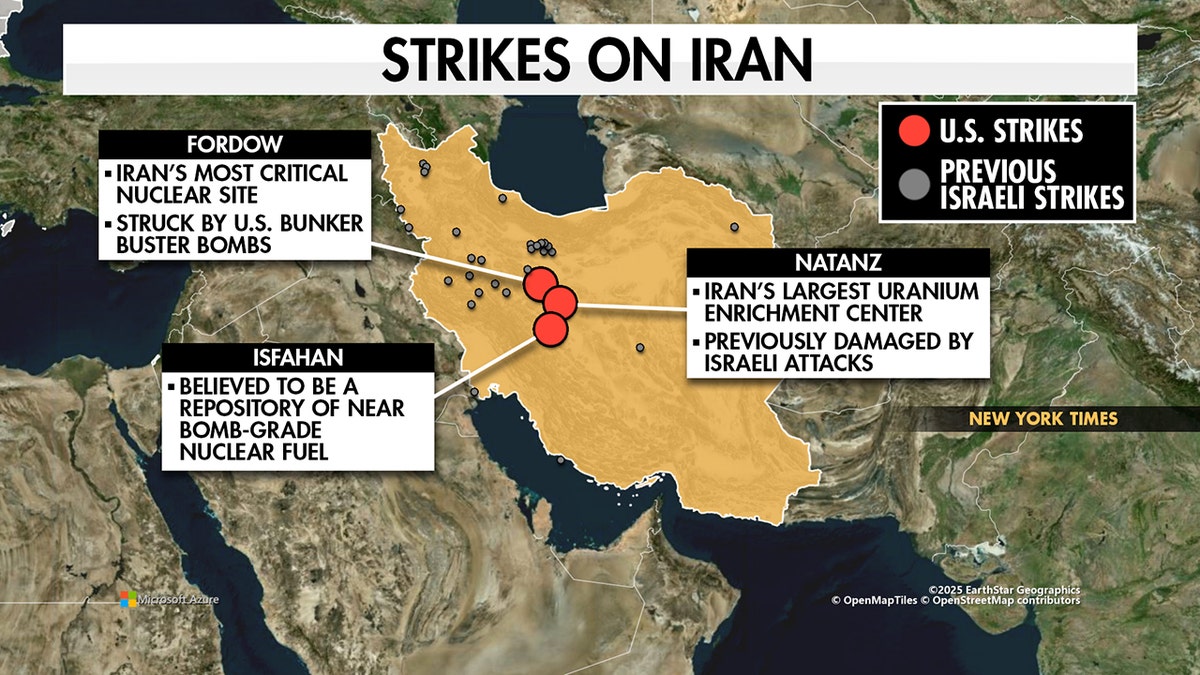
The next confirmed checkpoint for these developments remains the ongoing, unscheduled series of diplomatic meetings, which remain the primary venue for ironing out the final details of a potential agreement. We will continue to monitor official briefings from the Department of State and international observers for updates regarding the status of these talks.
What are your thoughts on the current trajectory of U.S.-Iran diplomacy? Share your perspective in the comments below or join the conversation on our social media platforms.