
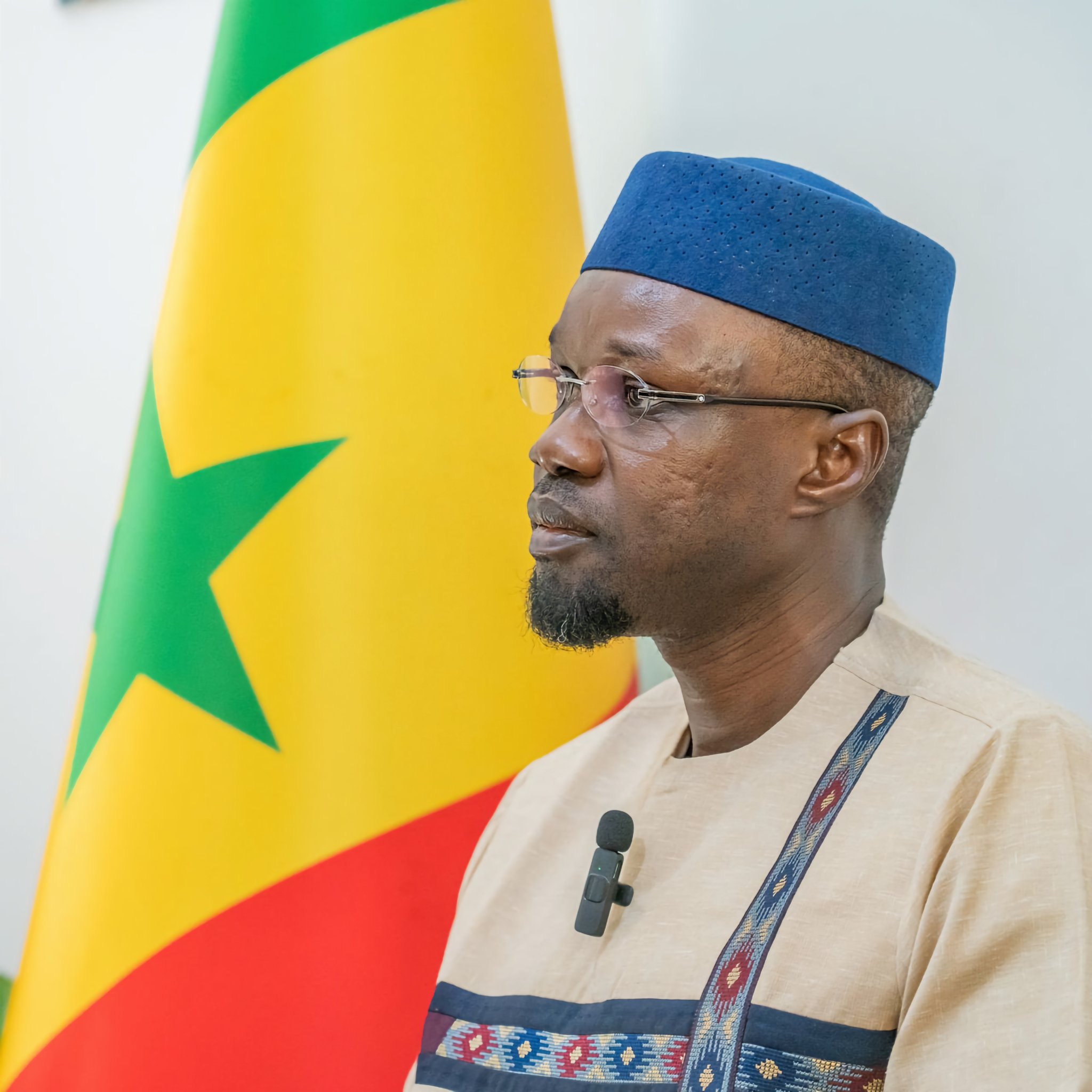
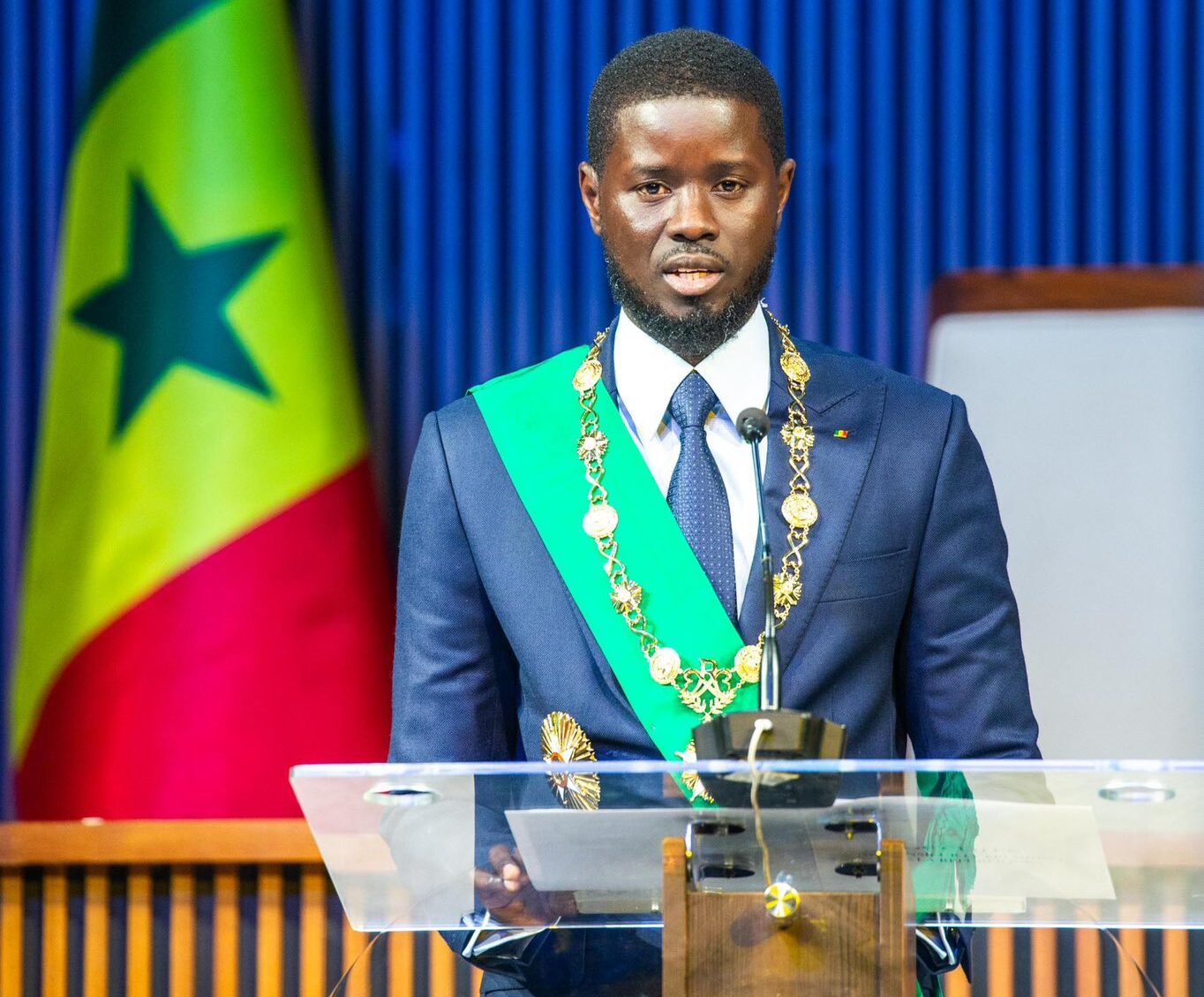
The political landscape in Senegal has entered a period of profound uncertainty, marked by a significant restructuring of the nation’s executive and legislative leadership. As Ousmane Sonko assumes his role as the president of the National Assembly, observers in Dakar and across the international community are closely monitoring the implications of this transition on the country’s governance and its relationship with the presidency of Bassirou Diomaye Faye.
This shift in the legislative branch follows a series of high-level administrative changes that have prompted analysts to evaluate the stability of the current political trajectory. For a nation often viewed as a democratic anchor in West Africa, the internal tensions within the leadership structure have moved to the forefront of regional political discourse, raising questions about the future of policy implementation and institutional cohesion.
Navigating Executive and Legislative Dynamics
The transition of Ousmane Sonko from his position as Prime Minister to the leadership of the National Assembly represents a pivotal moment in the administration’s tenure. This move, which follows the formal departure of the previous legislative leadership, has necessitated a recalibration of how the executive and legislative branches interact. According to official reports from the National Assembly of Senegal, the legislative body is tasked with balancing the government’s agenda against the oversight responsibilities inherent in the parliamentary process.

The relationship between the President and the legislative leadership is foundational to the stability of the Senegalese state. Recent reports have highlighted a growing divergence in the working relationship between President Bassirou Diomaye Faye and Ousmane Sonko. This internal friction, often described in political commentary as a “divorce” at the summit of the state, has contributed to an atmosphere of unpredictability regarding the passage of upcoming legislative reforms and the overall execution of the government’s mandate.
Economic Sentiment and Investor Outlook
Beyond the internal political maneuvers, the developments in Dakar have not gone unnoticed by global financial institutions. The uncertainty surrounding the stability of the government has led to cautious assessments from international markets. Financial analysts, including those tracking sovereign risk, have noted that the ongoing political shifts are being factored into the nation’s credit risk profile. The International Monetary Fund continues to monitor the fiscal situation in Senegal, emphasizing the necessity of maintaining macroeconomic stability during periods of political transition.
For investors, the primary concern remains the potential for policy paralysis. As the administration seeks to implement its economic program, the ability of the legislative branch to function efficiently under its new leadership will be a key indicator for international partners. The World Bank has previously highlighted that sustained institutional predictability is essential for maintaining investor confidence in the Senegalese economy.
Key Takeaways for the Current Situation
- Leadership Transition: Ousmane Sonko has officially transitioned to the role of president of the National Assembly, shifting the balance of power within the government.
- Institutional Friction: Reports indicate significant tension between the executive office and the new legislative leadership, creating a climate of political ambiguity.
- Economic Impact: International financial observers are monitoring the situation, with concerns regarding how political volatility may influence the nation’s sovereign risk and investment climate.
- Governance Challenges: The government faces the immediate task of managing these internal divisions while continuing to address domestic economic priorities and international commitments.
Looking Ahead: What Comes Next
The coming weeks are expected to be definitive as the National Assembly begins its sessions under its new president. Observers are looking for signs of whether the legislative body will serve as a collaborative partner to the President or as a source of obstruction. The next major checkpoint for the administration will be the upcoming budget deliberations, which will serve as a litmus test for the functionality of the current government structure.
As a journalist who has covered West African political shifts for over 16 years, I find the current situation in Senegal to be one of the most complex in recent memory. The balance of power is being tested in real-time, and the outcome will likely shape the country’s political landscape for the remainder of the current electoral cycle. For those following this story, It’s essential to rely on official communications from the General Secretariat of the Government for updates on legislative schedules and policy announcements.
We will continue to track these developments as more information becomes available. If you have insights or observations on the current political climate in Senegal, we invite you to share your thoughts in the comments section below or join the conversation on our social media platforms.
Keep reading