

Cultural Clash in Saint-Vallier-de-Thiey: Transhumance Festival Marked by Animal Rights Controversy
A traditional celebration in the French village of Saint-Vallier-de-Thiey has become the center of a heated debate, as a local festival intended to honor agricultural heritage is overshadowed by a clash between traditionalists and animal rights advocates. The controversy erupted following the publication of a photograph by a local association, sparking an immediate and sharp divide between the community’s pastoral roots and modern animal welfare movements.

The incident occurred during the Fête de la transhumance, a significant cultural event that celebrates the seasonal movement of livestock. While the festival is typically a moment of communal pride and historical remembrance, this year’s iteration has been defined by a digital dispute that has quickly escalated from social media commentary to a formal defense of agricultural practices.
The Spark of the Dispute
The tension began when the Ferme associative veggie la Prairie des animaux—an association focused on vegetarian and animal-centric advocacy—released a photograph related to the festivities. While the specific contents of the image have been the subject of intense debate online, the publication has reportedly caused significant “émoi” (stir) among locals and festival attendees.
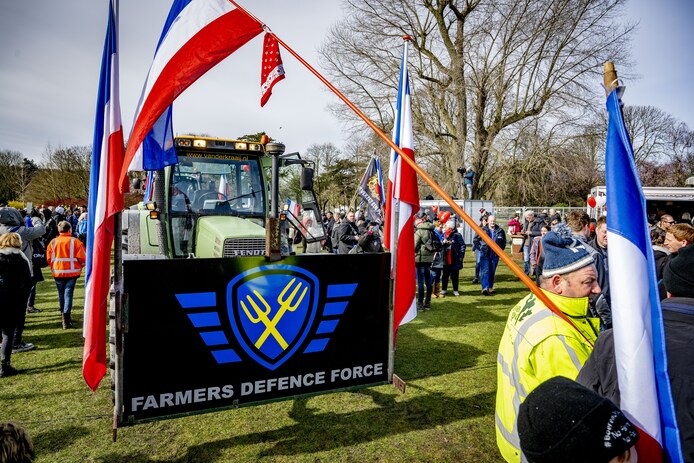
The association’s post appears to have targeted specific practices observed during the event, leading to immediate backlash from the agricultural community. The imagery served as a catalyst for a broader conversation regarding the ethics of traditional livestock management and the role of animal rights activism in rural cultural celebrations.
Breeders Respond to Allegations
The controversy has not gone unanswered. A local breeder, whose practices were the subject of the association’s scrutiny, has moved to firmly defend his actions and his reputation. While the specifics of the breeder’s defense have not been fully detailed in official public statements, the response highlights the growing friction between those who maintain ancestral farming traditions and those who advocate for a departure from them.
For many in the Saint-Vallier-de-Thiey region, the transhumance is more than just a movement of animals; it is a cornerstone of their identity. The breeder’s defense reflects a wider sentiment among agricultural workers who feel that traditional methods are being unfairly judged through a modern, often urban-centric, lens of activism.
Understanding Transhumance: A Tradition Under Pressure
To understand why this dispute has resonated so deeply, it is essential to recognize the cultural weight of the transhumance. For centuries, transhumance has involved the seasonal migration of livestock—typically sheep or cattle—between lowland winter pastures and highland summer pastures.

This practice is characterized by several key elements:
- Seasonal Migration: The movement follows natural ecological cycles to ensure animals have access to optimal grazing.
- Cultural Heritage: The festivals surrounding these movements are vital for maintaining local customs, music, and community bonds.
- Economic Stability: For many rural regions, these movements remain a fundamental component of the local agricultural economy.
However, as global perspectives on animal welfare evolve, these centuries-old traditions are increasingly coming into contact with organized advocacy groups. This collision of values—heritage versus modern ethics—is becoming a recurring theme in European rural life.
The Broader Societal Context
The events in Saint-Vallier-de-Thiey are not an isolated incident but rather a microcosm of a larger, ongoing struggle across the continent. As urban populations grow and dietary preferences shift toward plant-based lifestyles, the visibility of traditional animal husbandry has increased, often leading to direct confrontations.
Key stakeholders in this ongoing tension include:
- Traditional Agriculturalists: Who view these festivals as essential preservation of history and livelihood.
- Animal Welfare Associations: Who use digital platforms to bring attention to what they perceive as systemic issues in animal management.
- Local Municipalities: Tasked with balancing the preservation of cultural identity with the demands of a changing social landscape.
As the debate continues to unfold, the outcome in Saint-Vallier-de-Thiey may serve as a bellwether for how rural communities and advocacy groups navigate these increasingly frequent cultural intersections.
We are continuing to monitor this developing story for official statements from both the Saint-Vallier-de-Thiey municipal authorities and representatives of the Ferme associative veggie la Prairie des animaux.
What are your thoughts on the balance between cultural tradition and modern animal welfare advocacy? We invite you to share your views in the comments below and share this article with your network.