The growing global pet population is significantly contributing to environmental degradation and rising waste management costs, forcing the pet industry to adapt to international 2050 carbon neutrality targets. As meat-based pet food production drives high greenhouse gas emissions, companies and regulators are increasingly looking toward alternative proteins and sustainable packaging to mitigate the industry’s ecological footprint.
As more households worldwide adopt pets, the environmental impact of their care—ranging from the carbon-intensive production of animal-based food to the accumulation of non-biodegradable waste—has become a central concern for environmental policymakers. Governments, including South Korea through its 2050 Carbon Neutrality pledge, are beginning to view the pet industry as a sector requiring greater sustainability oversight to meet global climate goals.
Why is pet ownership linked to carbon emissions?
The primary link between pet ownership and carbon emissions lies within the pet food supply chain. The production of meat-based pet food requires significant land, water, and energy resources, contributing to greenhouse gas emissions through livestock farming. According to environmental studies on agricultural impacts, the lifecycle of meat production—including methane from cattle and nitrous oxide from fertilizers—represents a major portion of the food industry’s total carbon footprint.
As pet diets have shifted toward high-protein, meat-heavy formulations to meet perceived nutritional needs, the demand for animal protein has increased. This demand directly impacts global agricultural systems. Industry analysts note that as the pet population grows, the scale of meat-based food production must expand accordingly, potentially offsetting gains made in other sectors of the carbon neutrality movement.
Beyond food, the manufacturing and logistics of pet products also contribute to the sector’s total emissions. The energy required for processing, the fuel used for global shipping, and the production of synthetic materials for toys, bedding, and accessories all add to the cumulative carbon footprint of pet ownership.
How is pet food production impacting the environment?
The environmental impact of pet food is largely determined by the type of protein used. Traditional pet foods rely heavily on beef, poultry, and fish. Beef production, in particular, is identified by climate scientists as one of the most resource-intensive forms of animal agriculture. It requires significantly more land and water per calorie produced compared to other protein sources and produces higher levels of methane.
The industry is currently seeing a shift toward more sustainable alternatives to address these concerns. Two primary areas of innovation include:
- Insect Protein: Companies are increasingly utilizing black soldier fly larvae and other insects as a sustainable protein source. Insect farming requires a fraction of the land and water used in traditional livestock farming and produces significantly lower emissions.
- Plant-Based Formulations: While more controversial among some veterinarians, plant-based pet foods are being developed to reduce reliance on animal agriculture entirely, though nutritional completeness remains a primary focus for developers.
The following table compares the estimated environmental impact of various protein sources commonly used in the pet food industry:
| Protein Source | Carbon Emissions | Land Use Requirement | Water Consumption |
|---|---|---|---|
| Beef | Very High | High | High |
| Poultry | Moderate | Moderate | Moderate |
| Insect Protein | Low | Very Low | Low |
| Plant-Based | Low | Low | Moderate |
What are the challenges of pet waste and packaging?
Beyond the carbon footprint of food, the pet industry faces a growing crisis regarding physical waste. This includes both biological waste and the massive influx of plastic packaging. The rise in pet ownership has led to a proportional increase in pet waste, which, if not managed correctly, can lead to nutrient runoff and water pollution in local ecosystems.
Packaging waste is another critical factor. Most commercial pet foods and pet supplies are sold in multi-layer plastic bags or containers that are difficult to recycle. As consumer awareness of plastic pollution grows, the industry is under pressure to transition to compostable or fully recyclable materials. However, the cost of implementing these sustainable packaging solutions remains a hurdle for many mid-sized manufacturers.
Local governments are also grappling with the social and economic costs of waste management. Increased pet populations necessitate more frequent waste collection and more robust processing facilities, adding to the public expenditure required to maintain urban cleanliness and environmental health.
How are companies meeting 2050 sustainability goals?
In response to global mandates like the 2050 Carbon Neutrality targets, many corporations within the pet sector are integrating Environmental, Social, and Governance (ESG) metrics into their business models. This transition is not merely a matter of corporate responsibility but a strategic move to align with evolving consumer preferences and stricter government regulations.
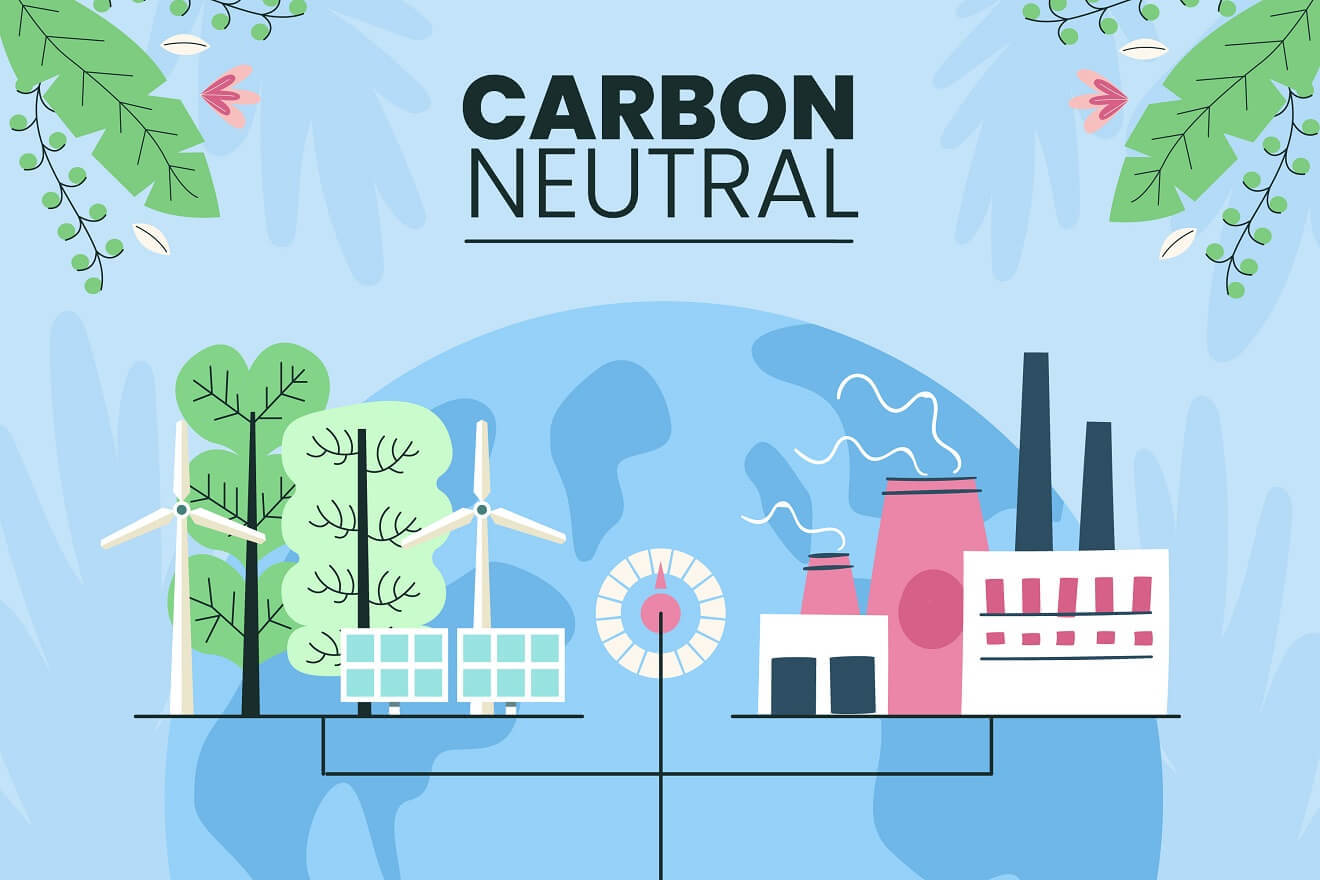
Key corporate strategies currently include:
- Supply Chain Transparency: Companies are working to trace the origin of their ingredients to ensure they are sourced from farms that utilize sustainable land-management practices.
- Circular Economy Initiatives: Some major brands have launched programs to collect and recycle used pet product packaging, aiming to reduce the volume of plastic entering landfills.
- Investment in R&D: Significant capital is being directed toward the development of “clean” proteins and eco-friendly materials, such as seaweed-based packaging or biodegradable waste bags.
While these initiatives are growing, industry experts suggest that a systemic shift is required to truly meet 2050 goals. This would necessitate a coordinated effort between manufacturers, retailers, and regulatory bodies to standardize sustainable practices across the entire global market.
Key Takeaways for Pet Owners
- Review Ingredients: Opting for pet foods that utilize sustainable proteins, such as insect or fish-based options, can reduce your pet’s dietary carbon footprint.
- Minimize Plastic: Look for brands that use recyclable or compostable packaging and consider reusable feeding bowls and toys.
- Responsible Disposal: Using biodegradable waste bags and ensuring proper disposal of pet waste helps mitigate local environmental contamination.
The next major checkpoint for the industry will be the upcoming environmental impact reports from major pet food conglomerates, which are expected to detail their progress toward mid-decade sustainability milestones. As these reports become public, they will provide a clearer picture of whether the pet industry is on track to meet international climate commitments.
What are your thoughts on the shift toward sustainable pet care? Share this article and join the conversation in the comments below.
- Lindsey Buckingham and Stevie Nicks Now Talking Regularly Again
- Spider-Man: Brand New Day Projected for $143M Second Weekend
- Iran and Strait of Hormuz: Deal Prospects and Global Oil Impact (world-today-news.com)
- Climate Change and Heatwaves: Rising Risks of Infectious Diseases and Waterborne Bacteria (newsdirectory3.com)