
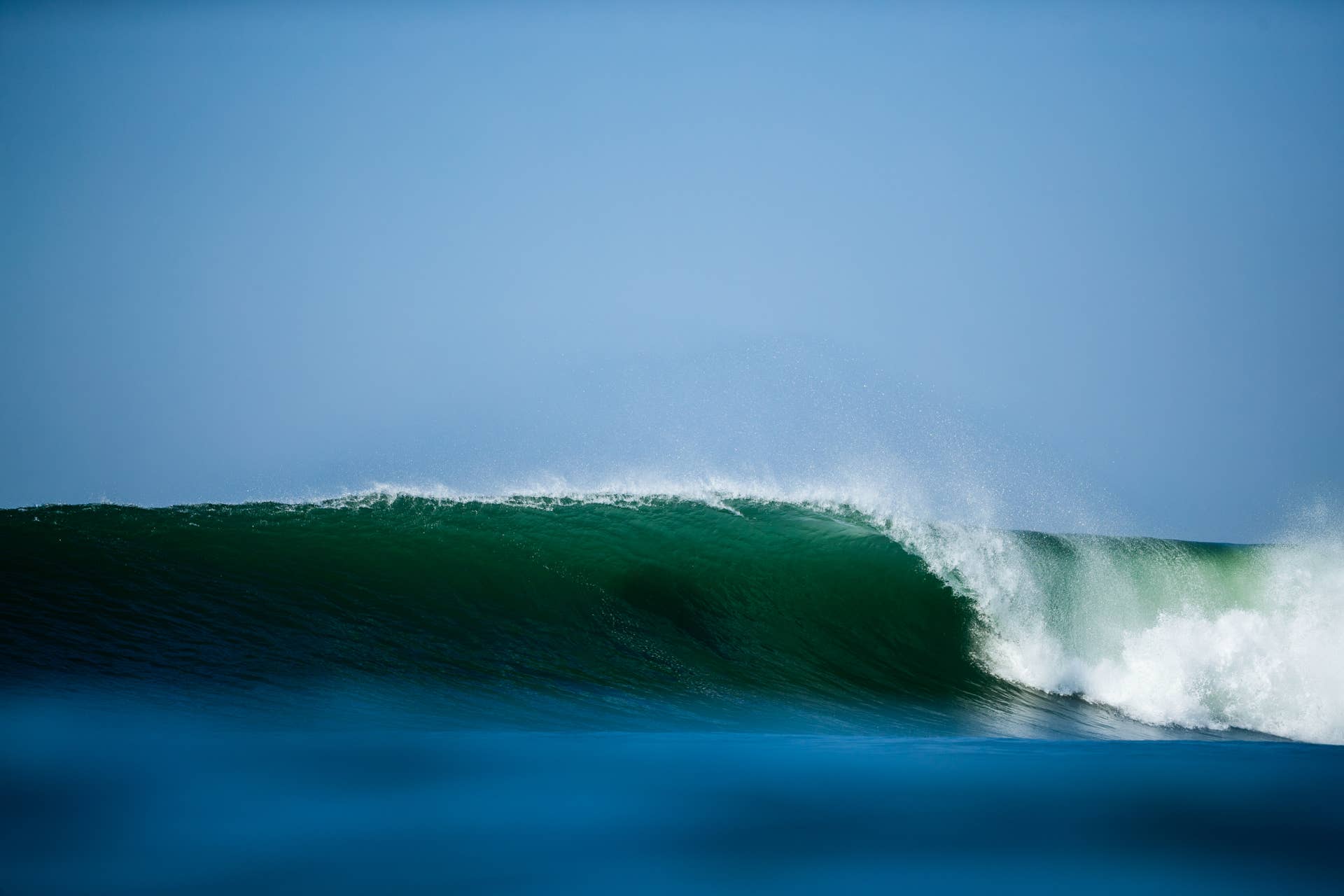
In the world of high-performance surfing, few locations command the reverence reserved for Punta Roca. Located on the coast of El Salvador, this world-class cobblestone point break has earned a reputation as one of the most mechanically consistent right-handers on the planet. Often compared to South Africa’s legendary Jeffreys Bay for its long, peeling walls and high-performance potential, Punta Roca serves as a premier destination for surfers seeking technical precision and extended ride lengths.
The mechanics of this break are defined by a unique interplay between its underwater geography and the specific swell energy generated in the South Pacific. For those traveling to the region, understanding the interplay of swell windows, bathymetry, and local wind patterns is essential to navigating what can be a challenging, albeit rewarding, lineup. As a sports journalist who has spent over a decade covering international competitions, I have seen firsthand how such iconic venues shape the careers of elite athletes and the culture of the sport globally.
Punta Roca offers long, beautiful walls that regularly fulfills the dreams of many surfers. Photo: Aaron Hughes.
The Mechanics of the South Pacific Swell
Punta Roca’s consistency is fundamentally tied to its geographic orientation. The break faces south, effectively utilizing the coastline’s natural curvature to capture energy from the South Pacific. While the North Pacific is a dominant force for many breaks in the Northern Hemisphere, Punta Roca is shielded from that energy by the landmass of Mexico. Instead, it relies on the long-period, powerful swells generated by storm systems in the Southern Hemisphere.
The peak season for these swells typically spans from April through October, coinciding with the winter months in the Southern Hemisphere. During this window, the frequency and quality of the surf reach their annual zenith. However, because the South Pacific remains an active engine for wave generation throughout the year, the break is rarely dormant, providing reliable conditions across all seasons. While local windswells or tropical cyclones can occasionally produce surf, these are generally considered inferior due to their shorter periods and lack of organization compared to the deep-water swells that define the break’s reputation.
Swell Windows and Bathymetric Influence
Not all swell directions are created equal at Punta Roca. The most favorable window for the break is a southwest (SW) to south-southwest (SSW) direction, typically ranging between 190 and 230 degrees. This specific alignment allows swell energy to travel into the region largely unobstructed, ensuring that the waves maintain their shape and power. When the swell hits this window, surfers can expect the ideal combination of size, consistency, and structural integrity.

The break is also influenced by specific geographic “shadows” that dictate wave quality. The Galápagos shadow, falling between 179 and 190 degrees, frequently obstructs energy from storms positioned directly south of Central America. Conversely, the French Polynesia shadow, spanning 230 to 250 degrees, can impact the rarer, more westerly swells. Understanding these nuances is critical, as swells coming from outside these optimal windows—such as west-southwest (WSW) or westerly (W) swells—often lack the period required to wrap effectively around the point, resulting in less desirable conditions.
Surfer: Crosby Colapinto. Photo: Aaron Hughes.
Beneath the surface, the bathymetry of Punta Roca acts as a lens, focusing and refracting the incoming energy. An underwater ridge extends southward from the point, which, when combined with the complex curvature of the coastline, transforms raw swell energy into the peeling, high-performance walls for which the spot is famous. Southerly angled swells tend to hit the point more directly, creating steeper and more hollow barrel sections, while more westerly swells often produce softer, though still highly ripable, faces.
Wind Patterns and Lineup Etiquette
Beyond the swell, the wind regime at Punta Roca is a defining factor in its elite status. The break performs best under calm conditions or light-to-moderate offshore winds. A northwesterly flow is generally considered the gold standard, as it remains offshore for the entire length of the point, keeping the wave faces clean and organized. West-northwesterly and even straight westerly winds can also be productive, provided they do not become strong enough to create surface chop at the top of the point.
Conversely, northeasterly winds are often referred to as “devil winds” in the local surfing community. While technically an offshore direction for the El Salvador coast, a northeasterly flow blows sideshore across the wave face at Punta Roca, creating disruptive cross-ribs and texture that degrade the quality of the ride. Navigating these variables requires patience and a keen eye on local weather reports, as even minor shifts in wind direction can significantly alter the experience in the lineup.
Surfer: Italo Ferreira. Photo: Pat Nolan.
Technical Specifications for Surfers
For those planning a trip or analyzing the break’s performance, the following technical specifications are generally accepted as the “best-case scenario” for Punta Roca:
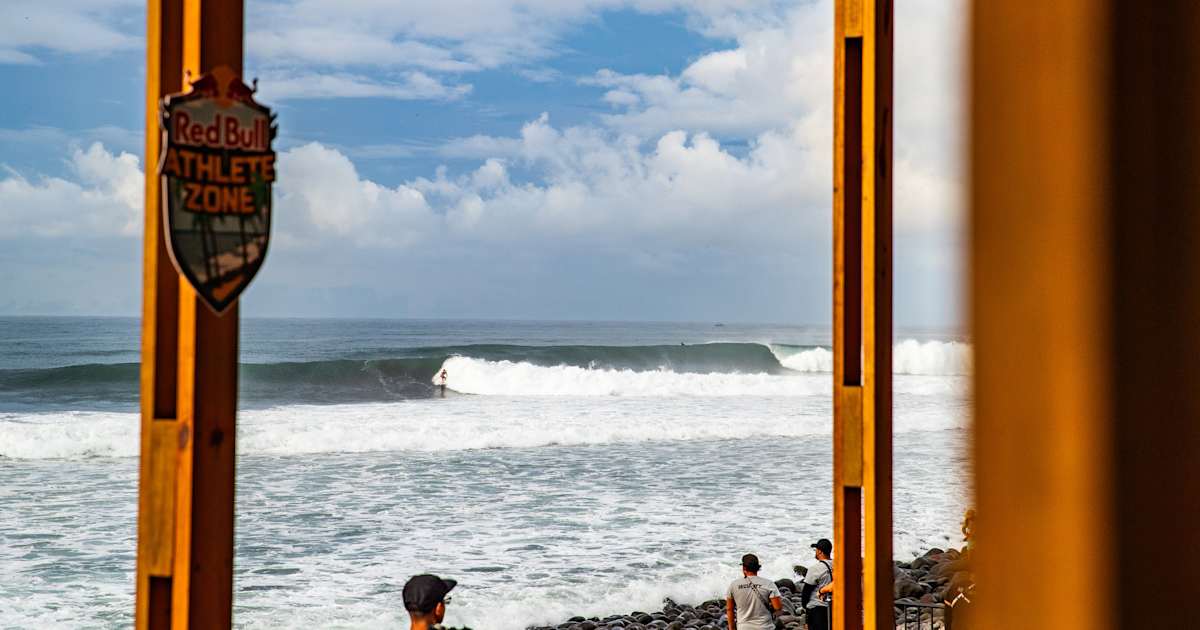
- Swell Direction: SW to SSW (190–215°)
- Swell Period: Mid to long-period (15 to 20+ seconds)
- Surf Size: Head high to double overhead+
- Wind: Calm or light to moderate offshore (WNW to N)
- Tide: Generally mid to high, depending on swell size
As with any world-class wave, the quality of the surf at Punta Roca is highly dependent on the period of the swell. Longer-period energy interacts more efficiently with the seafloor, refracting into the point to produce cleaner, more powerful lines. Shorter-period swells, by contrast, tend to arrive in a more fragmented state, making it difficult for even skilled surfers to connect the various sections of the wave from top to bottom.
Photo: Aaron Hughes
The allure of Punta Roca lies in its predictability and its capacity to challenge the best surfers in the world. As we look toward future developments in the region, the environmental and bathymetric factors that define this break remain its most precious resources. Whether you are a professional athlete or a dedicated enthusiast, respecting the mechanics of this unique environment is the first step toward a successful session in the water.
For ongoing updates regarding weather patterns and coastal conditions in El Salvador, local surfers and travelers are encouraged to monitor official maritime and meteorological advisories. We will continue to track developments in the global surfing landscape as the season progresses. I invite our readers to share their own experiences or insights regarding the mechanics of this world-class break in the comments section below.