As Indonesia prepares for the observance of Iduladha 1447 H, questions regarding the allocation of public funds for the annual presidential sacrificial cattle program have surfaced in public discourse. The tradition, which involves the distribution of livestock across the archipelago, serves as a significant cultural and religious touchstone. However, recent discussions have centered on the financial scale of these activities, specifically regarding the total budgetary expenditure associated with the procurement of sacrificial animals by the state.
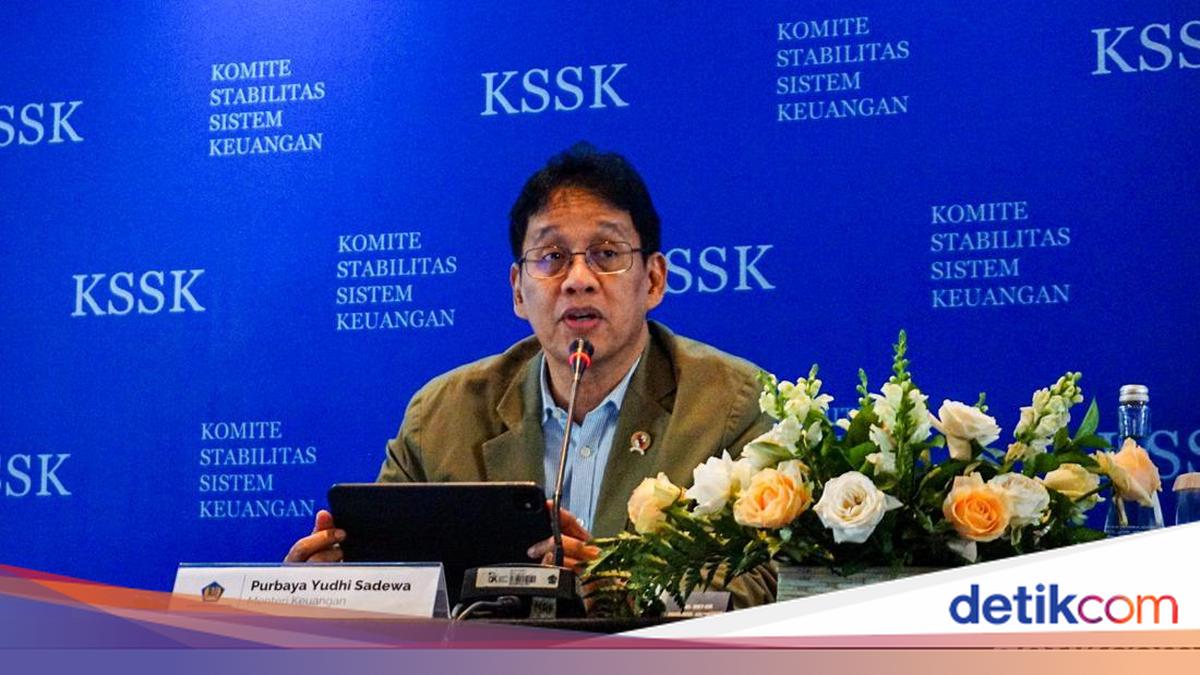
Purbaya Yudhi Sadewa, in his capacity as the Chairman of the Board of Commissioners of the Indonesia Deposit Insurance Corporation (LPS), has addressed inquiries regarding the management of public funds and the broader economic context of government spending. The discourse surrounding the purported Rp 100 billion figure for sacrificial cattle has highlighted the tension between traditional state-led religious observances and the transparency expectations of the modern Indonesian electorate. Detailed information regarding the national budget and state-owned enterprise contributions can be found through the official Ministry of Finance of the Republic of Indonesia portal.
The Tradition of Presidential Sacrificial Cattle
The practice of the President of the Republic of Indonesia donating sacrificial cattle, or hewan kurban, to various provinces is a long-standing tradition during the Iduladha festivities. These animals, often referred to in local media by colloquial nicknames such as “Gemoy” or “Sambo” due to their impressive size and breeding, are distributed to ensure that communities across diverse regions participate in the celebration. According to records from the Bangka Belitung Provincial Government, these distributions are often coordinated through virtual handover ceremonies to maintain logistical oversight and inclusivity.
For many citizens, these animals represent more than just a religious requirement; they are a symbol of the state’s presence and commitment to communal welfare during major holidays. The procurement process typically involves strict criteria, including health certifications from local livestock agencies and specific weight requirements to ensure the animals meet high-quality standards for ceremonial slaughter. Official updates regarding the health and distribution status of these livestock are periodically released by the Cabinet Secretariat of the Republic of Indonesia to ensure public transparency.
Public Scrutiny and Budgetary Transparency
The figure of Rp 100 billion, which has circulated in various media discussions, serves as a focal point for broader debates on government spending priorities. Critics and observers have questioned whether such a significant allocation of resources is the most effective way to address the needs of the populace, or if the funds could be redirected toward structural economic development. The discourse reflects a growing demand for accountability in how state-affiliated institutions manage their corporate social responsibility (CSR) and discretionary budgets.
When discussing the allocation of funds, it is essential to distinguish between direct state budget (APBN) expenditures and the contributions made by State-Owned Enterprises (BUMN). Many of the cattle distributed under the presidential program are sourced through the CSR initiatives of these state-owned entities. The Ministry of State-Owned Enterprises provides guidelines on how these companies may engage in community support programs while maintaining fiscal discipline and adherence to corporate governance standards.
Economic Impact and Community Welfare
Beyond the symbolic nature of the sacrificial animals, the program has a tangible economic impact on local farmers. By sourcing the cattle from local breeders across provinces like East Nusa Tenggara, Java, and Sumatra, the government aims to stimulate the regional livestock economy. This approach is intended to provide a stable market for high-quality livestock, thereby supporting the livelihoods of smallholder farmers who invest heavily in the care and feeding of these “jumbo” cattle.
However, the debate remains active. Proponents of the program emphasize the importance of maintaining national traditions that foster social cohesion and religious harmony. Conversely, those urging for a more critical review of the budget suggest that the government must prioritize long-term welfare programs. For those interested in the official audit and reporting of state financial activities, the Audit Board of the Republic of Indonesia (BPK) provides comprehensive reports on how public and state-affiliated funds are utilized throughout the fiscal year.
Looking Ahead: Ensuring Accountability
As the nation looks toward the next cycle of religious festivities, the expectation for transparent reporting remains high. The government’s ability to balance traditional practices with the requirements of modern public financial management will likely continue to be a subject of interest for civil society organizations and the public at large. Future updates regarding the coordination of Iduladha activities will be disseminated through official government channels as the dates for the 1447 H festivities approach.
Readers are encouraged to monitor the official announcements from the Ministry of Religious Affairs and the Cabinet Secretariat for the most accurate information regarding the upcoming national holiday preparations. We welcome our readers’ perspectives on this topic; please feel free to share your thoughts in the comments section below or join the conversation on our social media platforms to discuss the balance between tradition and fiscal responsibility.