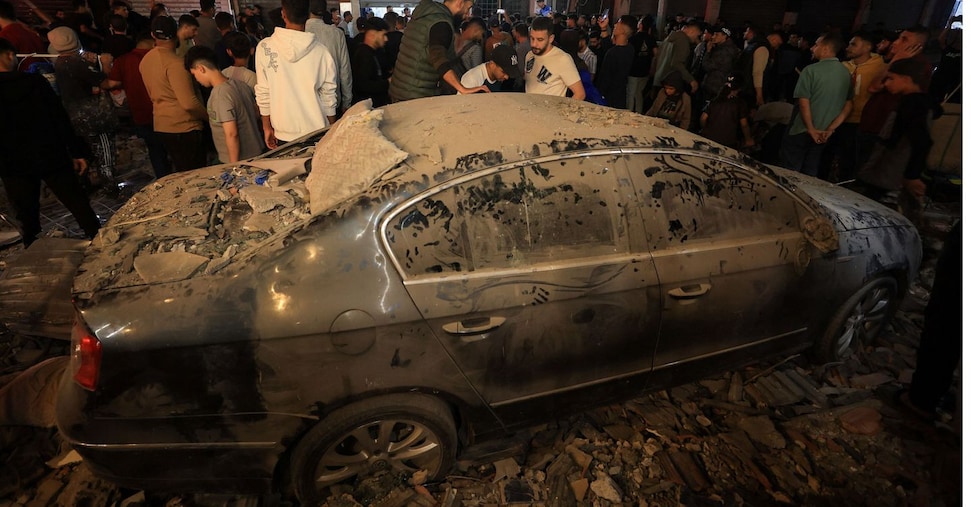
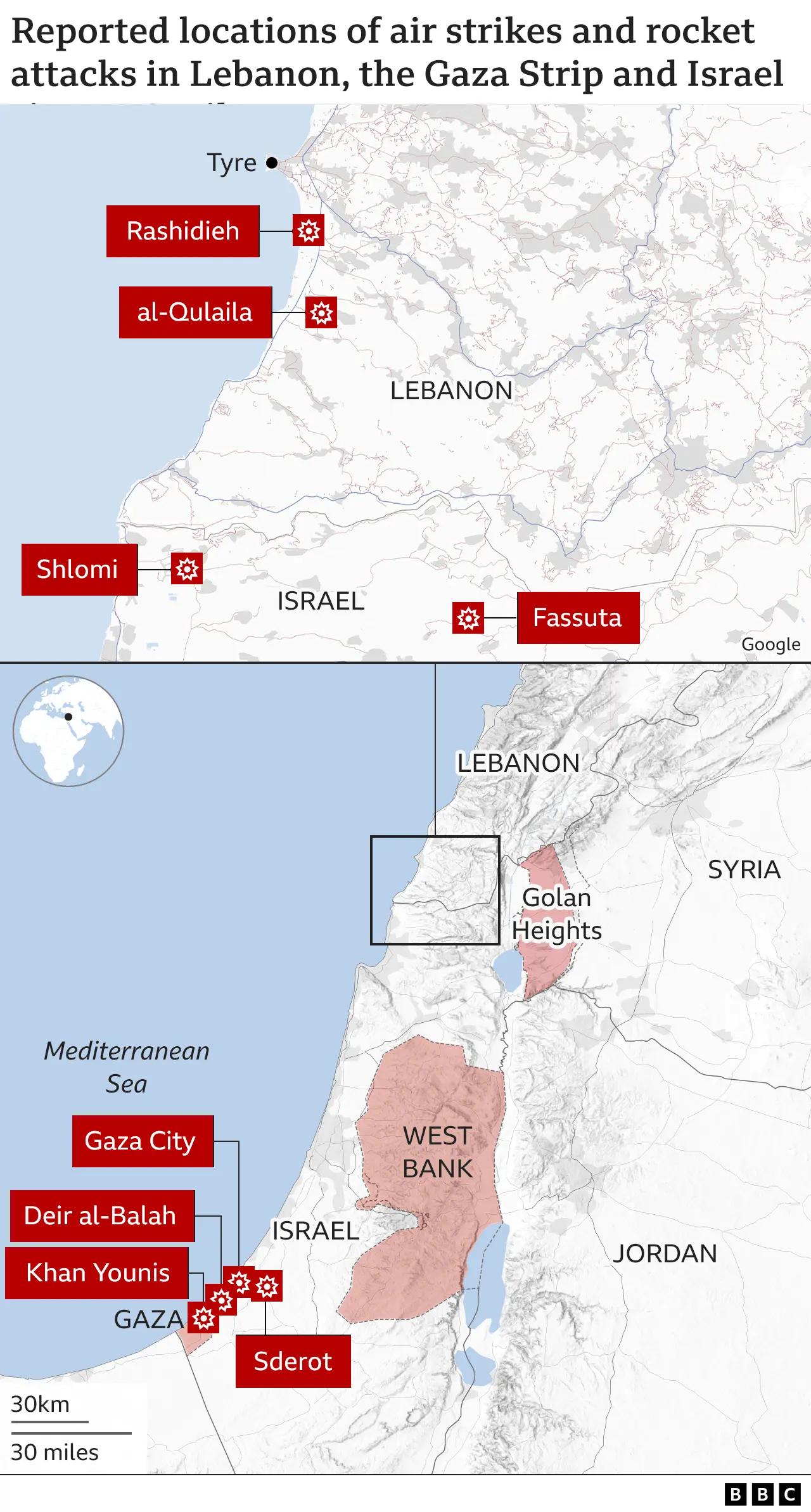
As the conflict in the Middle East continues to evolve, recent developments have underscored the volatile nature of the regional security landscape. Israeli officials have reported the death of a senior Hamas military figure, a move that follows an intensified series of airstrikes across southern Lebanon and Gaza. This escalation occurs amidst a complex backdrop of shifting diplomatic efforts and ongoing regional instability, drawing close attention from international observers monitoring the potential for further military expansion.
The announcement regarding the death of the Hamas commander, identified by Israeli authorities as a successor in the group’s military hierarchy, arrived as part of a broader surge in combat activity. These operations, particularly those centered in urban and southern areas of Lebanon, have resulted in significant casualties, with reports indicating dozens of fatalities following recent strikes. The latest information from regional observers confirms that military leaders are assessing the impact of these strikes on the group’s operational capacity, though the long-term strategic implications remain a subject of intense analysis by defense experts.
Regional Tensions and Diplomatic Stalemate
Beyond the immediate kinetic activity, the diplomatic horizon remains fraught with difficulty. Efforts to secure a long-term agreement regarding the conflict in Iran and its associated proxies have faced substantial obstacles. While various international mediators have attempted to facilitate a de-escalation, the current atmosphere is characterized by a significant lack of progress. Statements from regional actors, including elements of the Islamic Revolutionary Guard Corps, have suggested that the likelihood of a major regional conflagration remains a concern, though some officials have publicly downplayed the immediate prospect of a wider war.
The Financial Times has recently reported on the fiscal challenges impacting international initiatives, specifically noting that resources allocated to diplomatic and peace-building boards—specifically those associated with the Trump administration’s legacy initiatives—have been largely depleted. This lack of funding highlights a broader trend: as diplomatic channels struggle for viability, the reliance on military solutions has become the primary, albeit precarious, method of managing the ongoing crisis.
Impact on Civilians and Humanitarian Concerns
The human cost of these operations continues to rise, with civilian populations in both Gaza and Lebanon bearing the brunt of the violence. Recent reports from international aid organizations and local health ministries in the affected territories confirm that the death toll from the latest series of airstrikes in southern Lebanon has reached at least 31 individuals. These figures serve as a stark reminder of the humanitarian crisis unfolding alongside the military objectives of the belligerent parties.
The international community remains divided on the appropriate response. While some nations continue to call for an immediate ceasefire, others maintain that the security operations are necessary to mitigate threats posed by non-state actors. The United Nations and other humanitarian bodies have consistently urged all parties to prioritize the protection of non-combatants, yet the adherence to international humanitarian law remains inconsistent in the face of persistent rocket fire and retaliatory aerial bombardments.
Looking Ahead: What Comes Next
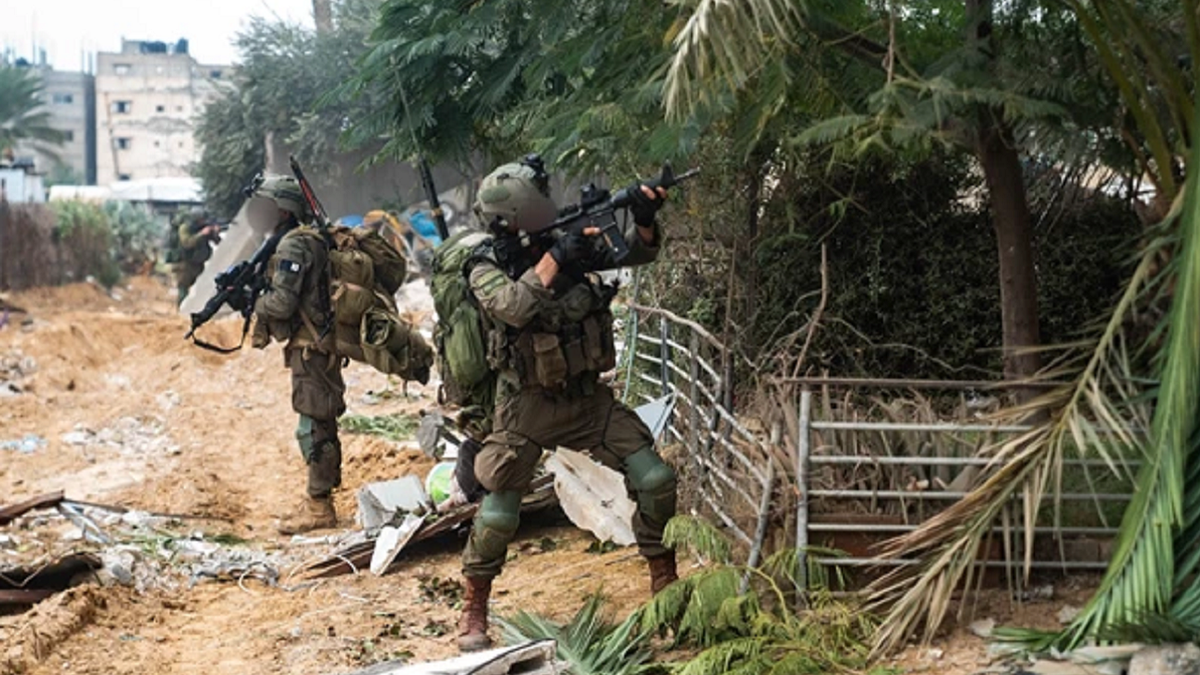
For observers and stakeholders, the situation is fluid. The death of a key Hamas military leader may trigger a temporary period of internal restructuring for the group, potentially leading to a shift in their tactical approach toward Israeli targets. Simultaneously, the Israeli military has signaled that its operations in Gaza and along the northern border with Lebanon will continue until specific security benchmarks are achieved. These benchmarks, however, are rarely defined with precision, leaving the duration and scope of the conflict open to speculation.
Key areas to watch in the coming days include:
- The potential for retaliatory actions by Hamas or its regional allies in response to the latest commander’s death.
- Official updates from the Israeli Defense Forces (IDF) regarding the conclusion of their current operational phase in southern Lebanon.
- Any movement from international mediators, such as the United States or Qatar, to re-establish a framework for negotiations, despite the reported exhaustion of previous funding mechanisms.
As we continue to monitor the situation, the focus remains on the verified statements issued by defense ministries and international humanitarian agencies. We encourage our readers to seek updates from official government portals and established, non-partisan news organizations to ensure they have the most accurate information available. We welcome your perspective on these unfolding events; please feel free to share your thoughts in the comments section below.
Maria Petrova, Editor (World), reporting from Sofia, Bulgaria.
Keep reading
- Stunning Australian Wildlife Encounter: Photographer Mistakes Blood for Predator Attack
- Tonight’s Weather: Showers and Storms Continue Before Clearing
- The Congressional Review Act, Explained: How Congress Kills Federal Rules (daybreakwire.com)
- Russian Missile and Drone Attack on Kyiv Kills Three Civilians (archyde.com)