
As we mark World Thyroid Day on May 25, 2026, the global medical community continues to emphasize the critical role of thyroid health in early development. While the butterfly-shaped gland located in the neck is primarily recognized for regulating metabolism, its function during pregnancy is a cornerstone of fetal neurological health. Understanding the link between thyroid dysfunction and developmental outcomes remains a priority for endocrinologists and pediatric specialists worldwide.
The thyroid gland, part of the complex endocrine system, is responsible for producing hormones such as thyroxine (T4) and triiodothyronine (T3). These chemical messengers are essential for the body’s energy regulation, but they serve an even more specialized purpose during gestation. According to established medical understanding, maternal thyroid hormones are vital for the brain development of the fetus, particularly during the first trimester when the fetal thyroid is not yet fully functional.
The Critical Window: Pregnancy and Thyroid Function
During the early stages of pregnancy, the developing fetus is entirely dependent on the mother for the supply of thyroid hormones. These hormones are foundational for metabolic processes, protein synthesis and the overall growth of the nervous system. When maternal thyroid levels are insufficient or remain poorly controlled, the potential for complications in fetal neurological development increases.
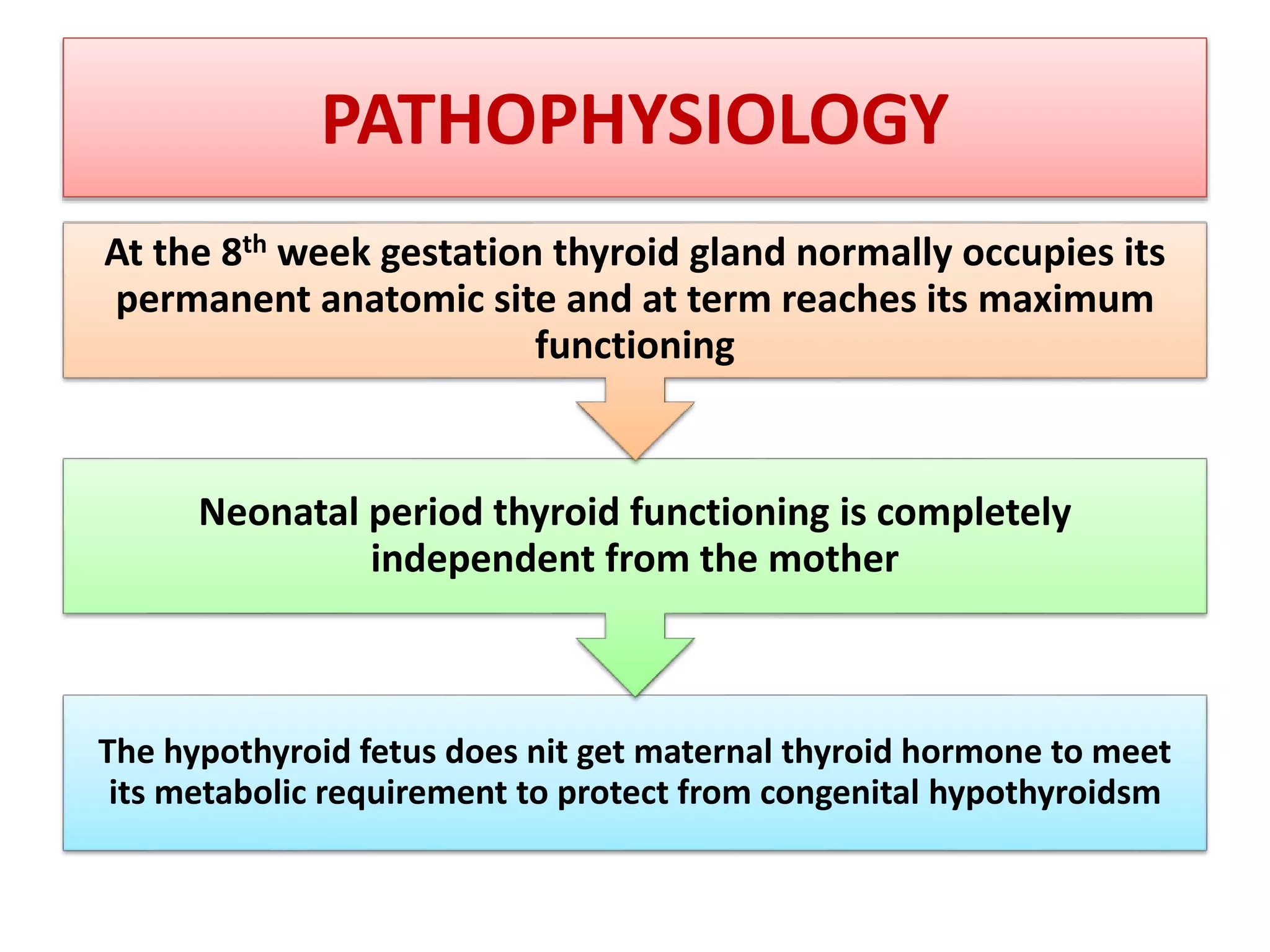
Clinical research has consistently highlighted that the endocrine system’s precision is vital for healthy outcomes. The thyroid gland receives signals from the pituitary gland via thyroid-stimulating hormone (TSH), creating a delicate feedback loop that must remain stable to support both maternal and fetal health. Disruptions in this loop—whether through hypothyroidism or hyperthyroidism—can have systemic effects on the body’s ability to maintain homeostasis.
Addressing Global Thyroid Health Awareness
World Thyroid Day, observed annually on May 25, serves as a vital platform for raising awareness about the prevalence and impact of thyroid disorders. The day encourages individuals to recognize symptoms of thyroid dysfunction, which can range from metabolic changes to more subtle indicators like fatigue or cognitive “brain fog.” By fostering a better understanding of these conditions, health organizations aim to promote earlier diagnosis and more effective, timely treatment.
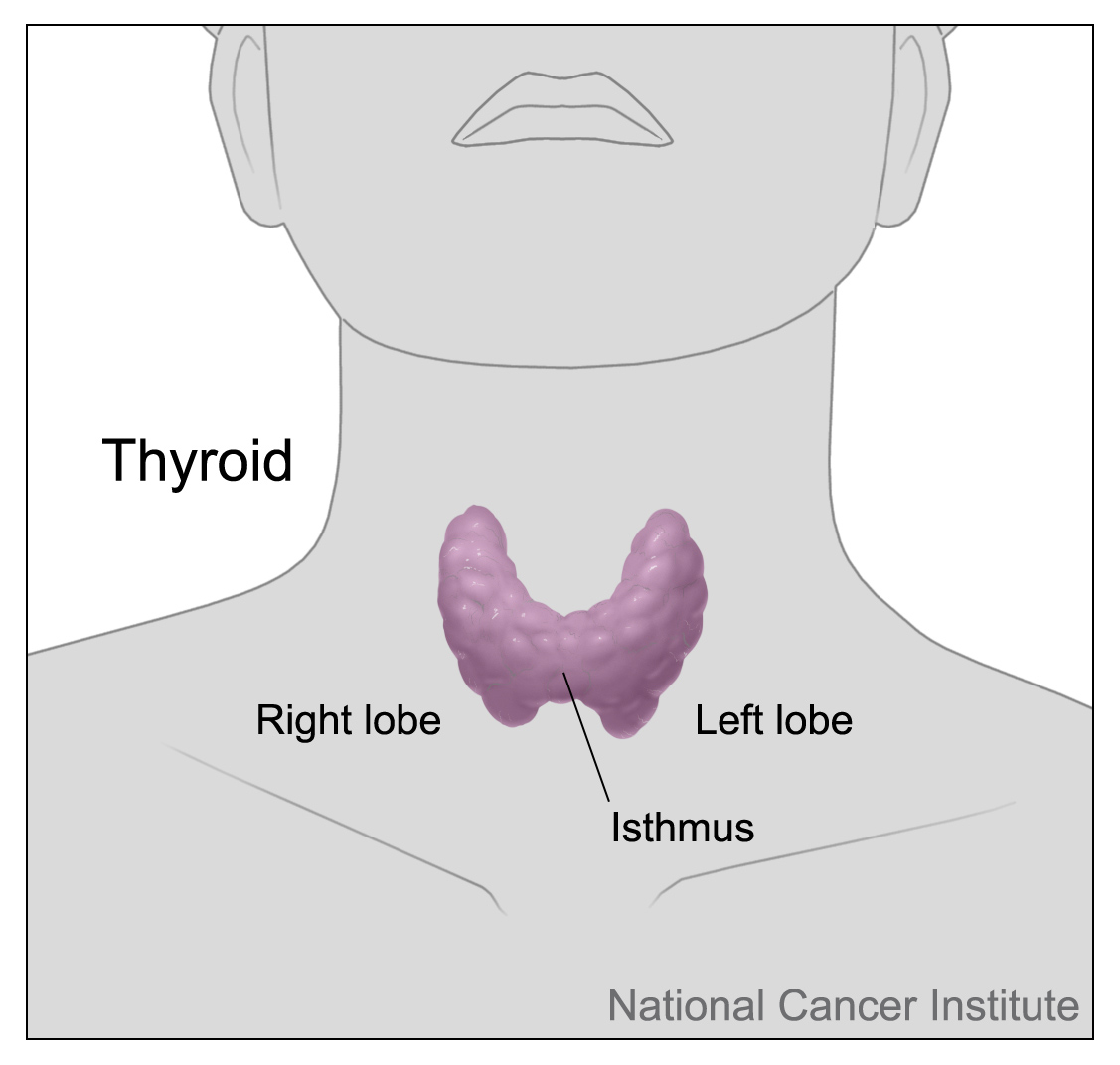
Thyroid disorders are diverse, encompassing conditions such as thyroiditis (inflammation), the development of nodules, goiter (enlargement of the gland), and in more serious cases, thyroid cancer. Because these conditions are often treatable, the focus remains on routine screenings and proactive consultations with healthcare providers, particularly for those planning pregnancies or currently expecting.
Understanding the Developmental Link
In recent years, the intersection of maternal health and pediatric outcomes has been a subject of significant scientific interest. Various studies have investigated the potential association between maternal hypothyroidism—a condition where the thyroid gland is underactive—and behavioral or developmental disorders in children, including autism spectrum disorder. The hypothesis centers on the necessity of adequate hormone levels during the windows of brain maturation in the womb.
It is important for expecting mothers and families to approach these findings with the guidance of medical professionals. Thyroid function is a manageable aspect of prenatal care, and standardized testing is widely available to ensure hormone levels remain within the optimal range for both mother and child. Maintaining these levels through appropriate medical intervention is a standard practice in obstetric care aimed at mitigating potential developmental risks.
Key Takeaways for Thyroid Health
- The Role of the Thyroid: It is an endocrine gland that controls metabolism and produces hormones essential for cellular energy.
- Pregnancy Importance: Maternal thyroid hormones are crucial for fetal brain development, especially in the first trimester.
- Monitoring Matters: Regular screenings for thyroid function are recommended, particularly during pregnancy, to ensure hormonal balance.
- Raising Awareness: World Thyroid Day emphasizes the importance of identifying symptoms early to prevent long-term health complications.
Looking Ahead: Ongoing Research and Support
As we move past the 2026 observances of World Thyroid Day, the focus of the global health community remains on the integration of endocrine health into comprehensive prenatal care. Future medical guidelines will likely continue to refine how we screen for and manage thyroid dysfunction to protect the neurological trajectory of developing children. For those seeking more information or suspecting a thyroid-related issue, consulting with a primary care physician or an endocrinologist remains the most effective path forward.
Public health authorities continue to update resources for patients, and we encourage our readers to stay informed through verified medical institutions and professional endocrine societies. Have you or a loved one navigated thyroid health during pregnancy? We invite you to share your experiences and join the conversation in the comments section below.