
The cultural phenomenon of Doctor Who, the long-running British science fiction television series produced by the BBC, has transformed significantly since its inception in 1963. As a sports journalist, I have long observed how the show’s unique ability to reinvent its lead character through the process of “regeneration” serves as a masterclass in narrative longevity. This mechanism, which allows for the replacement of the lead actor while maintaining the continuity of the character, has turned the Doctor into a global icon, yet it remains a complex subject of debate regarding the psychological toll of such constant reinvention.
The concept of a character that is constantly evolving—shedding their skin, personality, and physical form—is inherently unsettling. When we discuss how the Doctor has become a “star-making” role, we are essentially looking at the intersection of high-stakes performance art and the pressures of global fame. For any actor stepping into the TARDIS, the weight of expectation is immense, and for some, the intensity of this spotlight is a daunting prospect that goes far beyond the simple requirements of a typical acting role.
The Mechanics of Narrative Longevity
At its core, the regeneration process is what allows Doctor Who to remain relevant across decades. According to the official BBC Doctor Who episode guide, the series has navigated various transitions, each bringing a new interpretation of the Time Lord. This creative choice, initially conceived as a practical solution to the departure of the original lead, William Hartnell, has become the defining characteristic of the franchise.
From an analytical perspective, this is a brilliant, if demanding, narrative device. It forces the audience to adapt to change constantly. However, as noted in broader discussions regarding the series, this requirement for perpetual change is what makes the role so hard to sustain. An actor is not just playing a character. they are effectively auditioning for a legacy every few years. The “star-making” nature of the role ensures that whoever occupies the position becomes a household name, but that very fame can be a double-edged sword, creating a level of scrutiny that few performers are truly prepared to handle.
The Psychology of the Spotlight
The notion that being a “star-maker” is something one might view with trepidation is rooted in the reality of modern celebrity culture. When an actor takes on the role of the Doctor, they are not merely working on a set; they are entering a multi-generational fandom that demands absolute dedication. The transition from a professional actor to an international icon happens almost overnight.
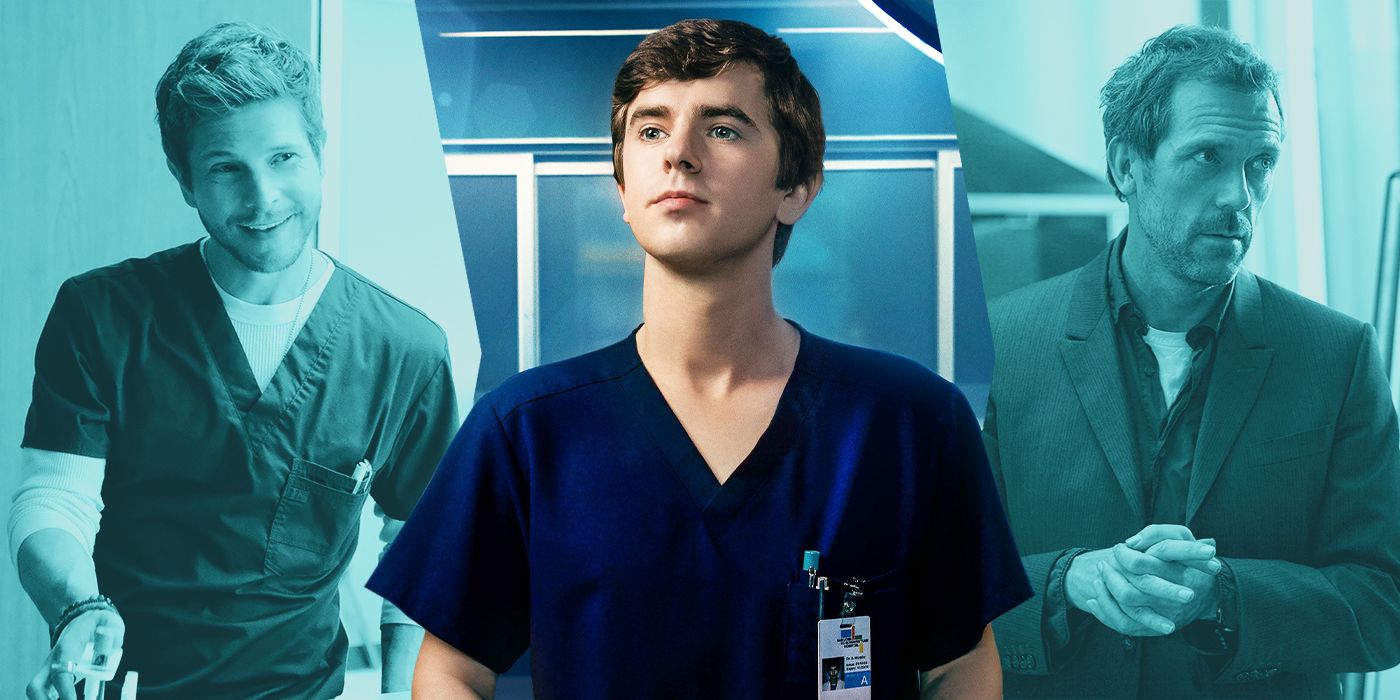
For individuals valuing their privacy or those who prefer the anonymity of character work, the sudden loss of normalcy can be overwhelming. The scrutiny applied to the Doctor is unique in television history. Every movement, every line delivery, and every interview is dissected by millions of viewers worldwide. This intensity is precisely why some might argue that a person in “full possession of their mental faculties” would approach the role with extreme caution.
Balancing Fame and Craft
In my experience covering the high-pressure world of sports, I see a parallel in how athletes handle the transition from promising talent to global superstar. Like the Doctor, these individuals must maintain their performance levels while the world watches. The successful ones—those who manage to stay grounded—are those who prioritize their craft over the peripheral noise of fame.
The role of the Doctor demands a similar discipline. It requires an actor to be comfortable with the idea that their version of the character is temporary. This is a profound psychological hurdle. To accept that you are part of a lineage, and that your time in the spotlight will eventually end to make way for the next iteration, requires a level of detachment that is rare in the entertainment industry.
What Lies Ahead
The future of Doctor Who remains as unpredictable as the character itself. The show continues to attract top-tier talent, proving that despite the immense pressure, the lure of the role remains powerful. The production values have seen significant investment over the years, ensuring the show keeps pace with modern television standards. For those interested in the latest developments, the official BBC programme page serves as the primary source for updates on casting, scheduling, and production announcements.

As the series moves forward, it will likely continue to challenge actors to step into the unknown. Whether one views the role as a golden opportunity or a daunting burden, there is no denying its impact on the cultural landscape. It remains a testament to the power of storytelling that a show about a time-traveling alien continues to captivate audiences, generation after generation.
We welcome your thoughts on the evolution of the Doctor and the pressures of iconic roles. Please share your perspective in the comments below, and join our community of readers as we continue to track the latest in global entertainment and sports.
Keep reading