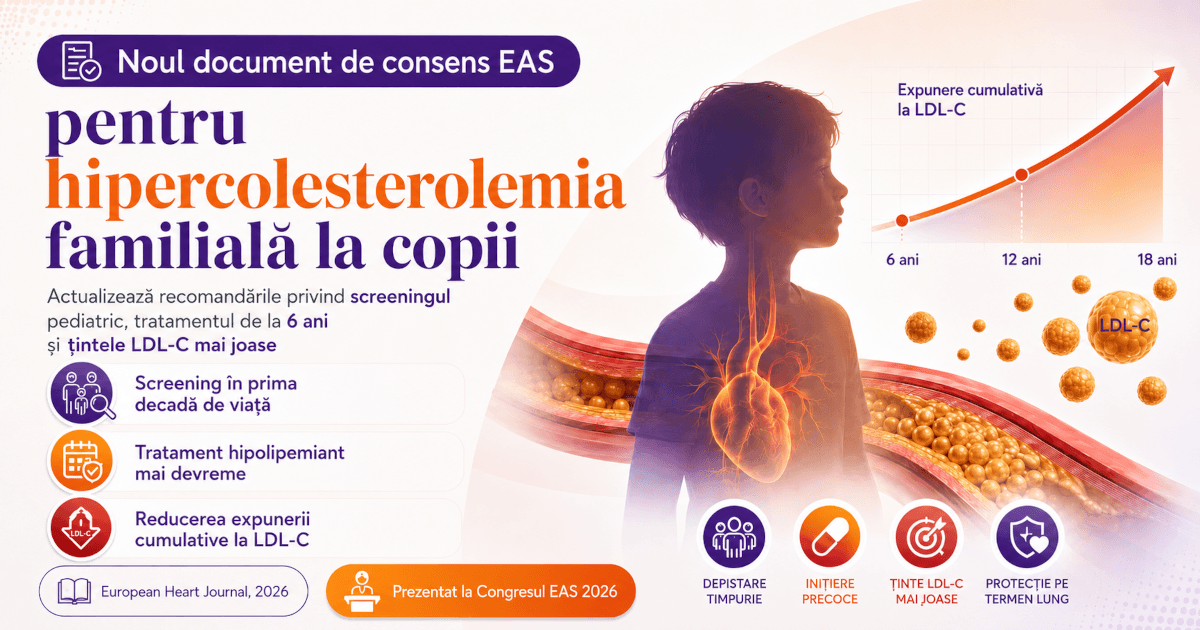
As a physician, I have long advocated that early intervention is the cornerstone of pediatric health. When it comes to managing cardiovascular risk, the medical community is moving toward a more proactive, evidence-based approach. The European Atherosclerosis Society (EAS) has recently updated its clinical guidance, signaling a significant shift in the management of familial hypercholesterolemia (FH) in children and adolescents. By prioritizing expanded screening and more aggressive lipid-lowering targets, these recommendations aim to mitigate the long-term impact of chronic cholesterol exposure on developing cardiovascular systems.
Familial hypercholesterolemia is a genetic condition characterized by high levels of low-density lipoprotein cholesterol (LDL-C), which, if left untreated, significantly increases the risk of premature atherosclerotic cardiovascular disease. According to the European Atherosclerosis Society, the condition often remains underdiagnosed in pediatric populations despite its prevalence. The new consensus emphasizes that identifying these children early is not merely a clinical preference but a public health necessity to prevent future cardiac events.
The Shift Toward Aggressive Lipid-Lowering Targets
The updated EAS guidelines advocate for a more rigorous approach to LDL-C management. Clinicians are now encouraged to aim for lower target levels in children diagnosed with FH, reflecting a growing body of evidence that early normalization of lipid profiles can alter the trajectory of vascular disease. This shift requires a nuanced understanding of pediatric physiology, ensuring that treatment plans are both effective and safe for growing bodies.
The consensus underscores the role of lifestyle modifications as the foundation of care but acknowledges that, for many patients, pharmacotherapy is essential to reaching these more ambitious goals. By lowering LDL-C thresholds, the EAS aims to reduce the “cholesterol burden” that accumulates over a lifetime. For further details on clinical implementation and diagnostic criteria, healthcare professionals can consult the full consensus statement published in The Lancet Diabetes & Endocrinology, which provides the evidence-based framework for these recommendations.
Expanded Screening: Finding the Missing Patients
A central pillar of the new EAS guidance is the call for expanded screening programs. Because FH is an inherited disorder, the consensus strongly supports “cascade screening”—a process in which family members of an index patient are tested to identify other affected individuals. This systematic approach is arguably the most effective way to identify undiagnosed children who may be at high risk.

The EAS encourages clinicians to integrate these screening efforts into routine pediatric care, particularly when a family history of premature cardiovascular disease is identified. This proactive strategy is designed to bridge the diagnostic gap, ensuring that young patients receive counseling and, where appropriate, medical intervention before irreversible vascular damage occurs. More information on how these screening protocols are being integrated into European clinical practice can be found via the European Heart Journal archives, which track updates in cardiovascular prevention strategies.
Management Strategies and Future Directions
Managing FH in a pediatric context involves a delicate balance. Physicians must consider not only the lipid-lowering efficacy of treatments but also their long-term tolerability in children. The updated EAS consensus provides a clearer pathway for the initiation of statins and other lipid-lowering therapies, emphasizing that the decision to treat should be individualized based on the child’s specific genetic profile and overall cardiovascular risk factors.
As we move forward, the focus remains on patient-centered care. The goal is to empower families with the knowledge needed to manage this condition effectively, transforming a high-risk diagnosis into a manageable health status. The medical community continues to refine these guidelines as new data on long-term safety and efficacy become available.
Key Takeaways for Clinical Practice
- Early Detection: Cascade screening is essential for identifying children at risk due to the hereditary nature of familial hypercholesterolemia.
- Lower Targets: Updated EAS guidance reflects a consensus that more aggressive LDL-C reduction is necessary to prevent premature atherosclerosis.
- Evidence-Based Care: Treatment plans should be tailored to the individual child, combining lifestyle intervention with appropriate pharmacological support when indicated.
For those interested in the ongoing evolution of these standards, I encourage you to monitor the official publications of the European Atherosclerosis Society for upcoming clinical practice updates and educational webinars. Understanding these changes is vital for pediatricians, general practitioners, and cardiologists alike as we work to improve long-term outcomes for our youngest patients.
What are your thoughts on these updated guidelines? As we prioritize early screening and aggressive targets, how do you see this impacting pediatric cardiology in your region? Please share your experiences and questions in the comments section below—I look forward to our discussion on this critical evolution in preventative medicine.
- Women’s Health Strategy: No Improvement After One Year as Minister Lacks Urgency
- How the Corona Pandemic Fueled the Fintech Boom: The Rise of Payment Giants like Adyen
- Antiphospholipid Syndrome Management Shifts Toward Individualized Care (archyworldys.com)
- Top Football Betting Strategies: Data, Trading and Bankroll Management (newsdirectory3.com)