
As a physician and health journalist, I often hear from patients looking for natural, complementary approaches to manage blood glucose levels. Among the most frequent inquiries I receive concern the role of culinary spices in metabolic health—specifically regarding the management of diabetes and gestational diabetes. While the prospect of using common kitchen staples like cinnamon or ginger to improve insulin sensitivity is appealing, it is essential to approach these interventions with medical rigor and caution.
Managing diabetes, particularly during pregnancy, requires a highly structured clinical approach. When blood glucose levels are not tightly controlled, it can lead to significant health complications for both the mother and the developing fetus. According to the Centers for Disease Control and Prevention (CDC), gestational diabetes can increase the risk of high blood pressure, preeclampsia, and the need for a cesarean delivery. Given these stakes, patients should always prioritize evidence-based medical treatments—such as insulin therapy or metformin, when prescribed—over any dietary supplement or herbal intervention.
The Science of Spices and Glycemic Control
In recent years, researchers have investigated several botanical agents for their potential hypoglycemic effects. Spices such as cinnamon, fenugreek, and bitter melon are frequently cited in public discourse for their purported ability to assist in lowering blood sugar. However, the translation of laboratory findings to clinical practice is far from straightforward. Many studies involving these substances are conducted in animal models or small-scale human trials that lack the robust, multi-center verification necessary to establish them as standard medical therapies.
For instance, while some studies have suggested that cinnamon may influence fasting plasma glucose, the National Center for Complementary and Integrative Health (NCCIH) notes that evidence for its efficacy in managing diabetes remains inconclusive. The variability in the chemical composition of herbal supplements means that a consumer often cannot be certain of the dosage or purity of the active compounds they are ingesting. This lack of standardization poses a particular risk to pregnant women, for whom the safety profile of concentrated botanical extracts is often unknown.
Risks During Pregnancy: Why Caution is Essential
The physiological changes occurring during pregnancy make the use of herbal supplements particularly sensitive. During gestation, the body’s metabolic demands shift, and the safety threshold for any supplement is significantly narrower than in the general population. Many substances that are considered “natural” and safe for the general public have not been rigorously tested for their potential to cross the placental barrier or impact fetal development.

It is a clinical imperative to consult with an obstetrician or a maternal-fetal medicine specialist before introducing any new spice regimen or herbal supplement into a pregnancy diet. The American College of Obstetricians and Gynecologists (ACOG) emphasizes that nutrition during pregnancy should focus on a balanced, nutrient-dense diet rather than the use of unverified herbal agents. Relying on spices to manage gestational diabetes instead of seeking professional medical care can lead to dangerous delays in necessary treatment, potentially resulting in macrosomia, neonatal hypoglycemia, or other complications.
Key Considerations for Patients
- Consultation: Always inform your healthcare provider about any supplements or large quantities of herbs you are consuming.
- Quality Control: Herbal supplements are not regulated as strictly as pharmaceutical medications, meaning their potency and ingredients can vary widely.
- Evidence-Based Care: Dietary changes and exercise are foundational, but they must be monitored by a professional to ensure targets for blood glucose are met safely.
- Avoid Self-Diagnosis: If you suspect you have symptoms of diabetes or gestational diabetes, seek formal diagnostic testing through a clinic rather than attempting to self-manage with dietary trends.
Moving Toward Personalized Care
The future of metabolic management lies in personalized nutrition and precision medicine, not in the broad application of unverified herbal remedies. While the culinary use of spices in reasonable, food-grade amounts is generally considered safe and can certainly enhance the flavor of a healthy diet, they should never be viewed as a substitute for pharmacological management or professional dietary counseling.
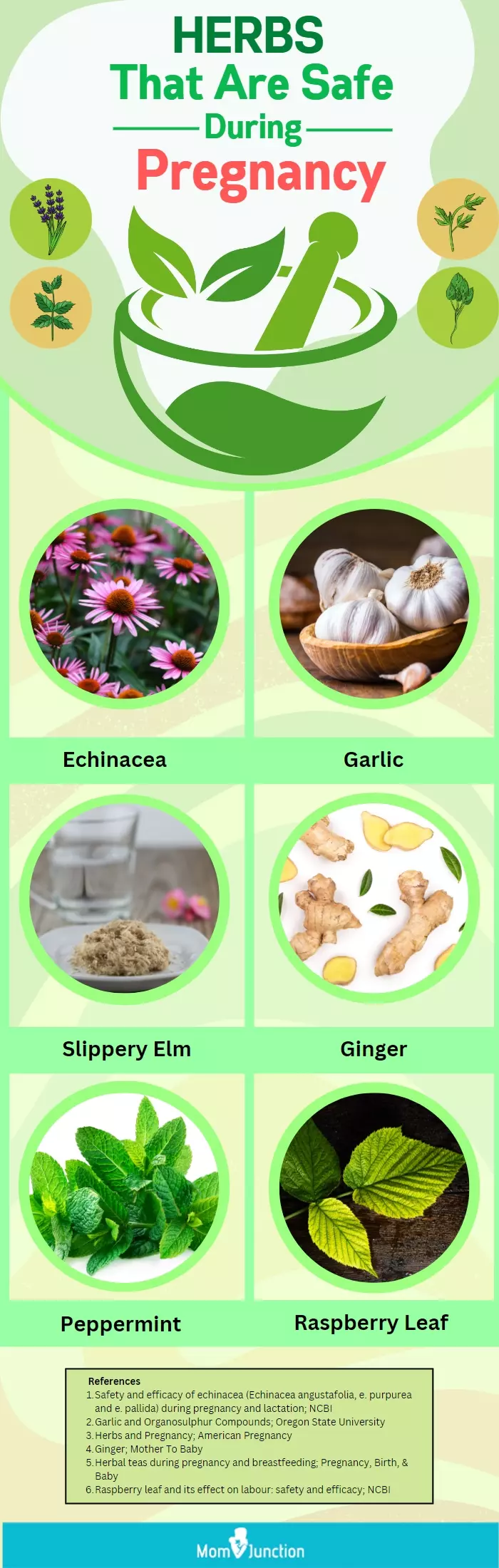
As we continue to monitor the landscape of medical research, while nature provides a wealth of compounds with fascinating biological properties, the distance between a laboratory observation and a clinical recommendation is significant. For those managing diabetes, the most effective “spice” remains the consistent application of evidence-based medical advice tailored to your specific physiological needs.
For the most current clinical guidelines regarding the management of diabetes, I encourage readers to consult the American Diabetes Association (ADA) Standards of Care in Diabetes, which are updated annually to reflect the latest scientific consensus. If you have questions about your specific treatment plan, reach out to your primary care physician or endocrinologist to discuss how your diet can safely complement your medical care. I welcome your thoughts and experiences in the comments section below.
Related reading