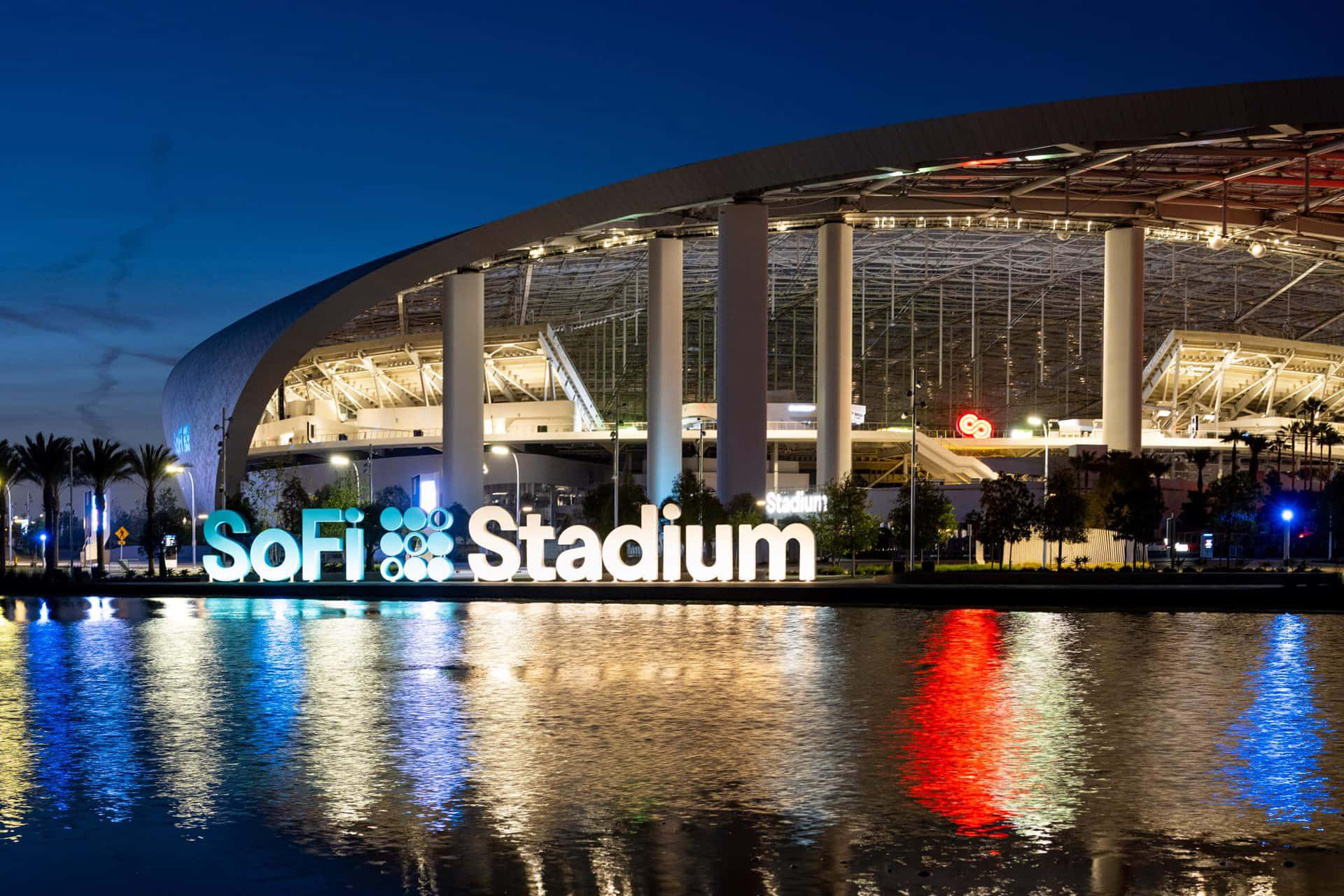
As the international community turns its attention toward the 2026 FIFA World Cup, set to begin on June 11, 2026, concerns regarding labor protocols at host venues have emerged in California. Labor organizations have signaled intentions to hold demonstrations near FIFA offices in Los Angeles, citing objections to the credentialing requirements imposed upon workers at the SoFi Stadium in Inglewood, California.
The core of the dispute centers on the data collection practices implemented by the governing body of international football for personnel working within the stadium’s secure zones. Critics argue that the mandatory submission of personal information for accreditation purposes creates significant privacy challenges for the local workforce. These developments arrive at a critical juncture for the Fédération Internationale de Football Association (FIFA), which is currently coordinating with 211 national associations to manage the logistics of the tournament across multiple host cities.
Privacy Concerns and Labor Standards
For the thousands of staff members—ranging from security to hospitality and operations—the accreditation process is a non-negotiable step to gain access to the venue. According to preliminary reports from labor advocates, the concern is not merely the collection of identification, but the scope of data requested and how that information is stored, processed, and potentially shared with third-party vendors. The official FIFA platform outlines that the tournament will rely on an extensive network of staff to maintain the integrity and security of the games, but labor representatives maintain that these internal security measures must not come at the expense of worker privacy rights.
The situation highlights the complex intersection of global sporting event security and local labor laws. In Los Angeles, where labor unions maintain a robust presence, the demand for transparency regarding data handling has become a rallying point. The organizers of the planned demonstrations argue that workers deserve clear protocols and assurances that their sensitive personal data will not be leveraged beyond the scope of necessary tournament security.
The Context of the 2026 FIFA World Cup
The 2026 tournament represents a massive undertaking, with matches hosted across the United States, Mexico, and Canada. The SoFi Stadium, a major venue for these events, is subject to rigorous oversight by both the tournament organizers and municipal authorities. As the official start date of June 11, 2026, approaches, the pressure to finalize operational protocols has increased. These labor-related tensions reflect broader anxieties about the scale of the infrastructure required for the event and the impact on the individuals tasked with executing the day-to-day operations.
FIFA, headquartered in Zurich, Switzerland, manages these operations through a global office structure. While the organization maintains that such credentialing is standard practice for high-profile international events to prevent security breaches, labor groups contend that the specific requirements in Los Angeles are overly broad. They are calling for a dialogue regarding the necessity of the information requested and the safeguards in place to protect the employees from potential data misuse.
What Happens Next
As of late May 2026, there have been no formal public concessions from the organizing body regarding the specific concerns raised by the labor groups. The demonstrations in Los Angeles are expected to serve as a public platform for these grievances, aiming to draw attention to the needs of the stadium workforce. For the workers, the upcoming weeks are crucial as they navigate the accreditation process ahead of the tournament’s opening.
Observers of international labor relations and event management suggest that this standoff could set a precedent for future mega-events. The ability of the organizing committee to balance the security demands of a global competition with the privacy and labor rights of local staff remains an evolving challenge. Stakeholders are encouraged to monitor official communications from tournament organizers and local labor unions for updates on any potential policy revisions or scheduled mediation sessions.
As this story develops, we invite our readers to share their perspectives on the balance between event security and worker privacy. Please leave your comments below or join the conversation on our social channels as we continue to provide updates on the lead-up to the 2026 FIFA World Cup.