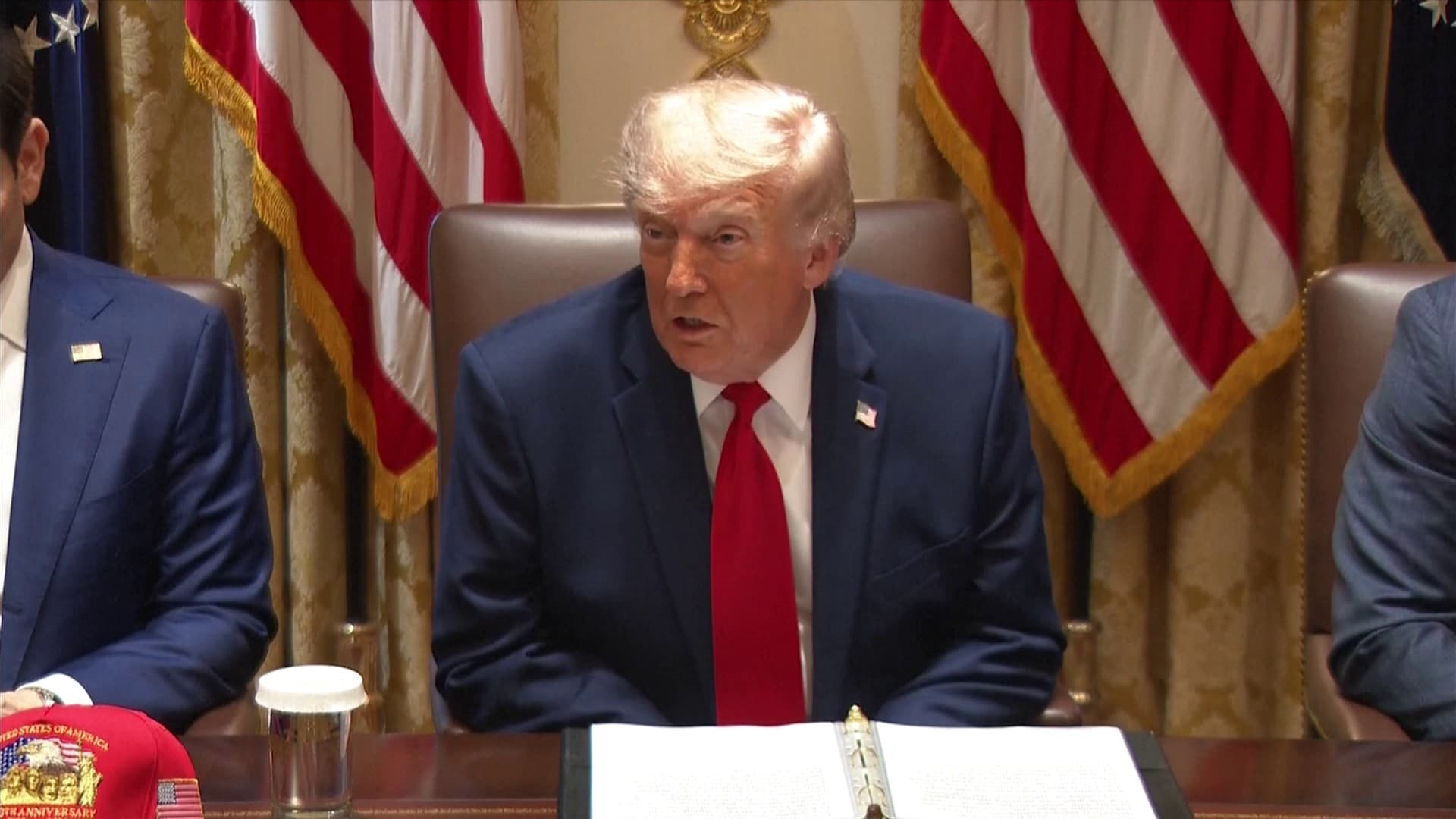
As the international community monitors the evolving dynamics between Washington and Tehran, the rhetoric surrounding potential diplomatic breakthroughs remains cautious. During his previous term and in the years following his departure from the White House, Donald Trump maintained a consistent stance regarding the Iranian nuclear program, frequently characterizing proposed agreements as insufficient to address the breadth of U.S. Security concerns in the Middle East.
The phrase “Ils n’y sont pas encore”—or “They are not there yet”—encapsulates a persistent skepticism that has defined U.S. Foreign policy toward Iran for much of the last decade. This sentiment reflects the fundamental divide between the two nations, particularly concerning the limits of nuclear enrichment, ballistic missile development and regional influence. As we analyze the current geopolitical landscape, the path toward any meaningful de-escalation remains obstructed by deeply entrenched policy differences.
The Core of the Standoff: Security and Compliance
At the heart of the ongoing friction is the Joint Comprehensive Plan of Action (JCPOA), the 2015 agreement that aimed to limit Iran’s nuclear capabilities in exchange for the lifting of economic sanctions. The United States officially withdrew from this accord in May 2018, a decision that triggered a cascade of “maximum pressure” sanctions designed to force Iran back to the negotiating table on more stringent terms, according to reports from the Congressional Research Service.
For observers of global affairs, the question is not merely about nuclear centrifuges, but about the broader strategic architecture of the Middle East. Successive U.S. Administrations have argued that any sustainable agreement must include verifiable limits on Iran’s regional activities, including its support for proxy groups and its ballistic missile program. Tehran, conversely, has consistently maintained that its nuclear program is for peaceful purposes and that its regional defense strategies are sovereign matters, resisting what it views as external attempts to dictate its national security policy.
Measuring “Satisfaction” in Geopolitical Diplomacy
When Donald Trump expressed dissatisfaction with proposals from Tehran, he was articulating a position that prioritized a “comprehensive” deal over the incremental, phased approach favored by other signatories of the original agreement. This approach, often described as “maximum pressure,” sought to utilize economic isolation to create leverage. According to data provided by the U.S. Department of the Treasury, these sanctions have targeted key sectors of the Iranian economy, including oil, shipping, and financial institutions, aiming to limit the resources available for the state’s strategic ambitions.

Critics of this policy argue that the lack of diplomatic engagement has inadvertently accelerated Iran’s nuclear advancement. By leaving the framework of the JCPOA, the U.S. Lost the monitoring mechanisms that were previously in place. As noted by the International Atomic Energy Agency (IAEA), Iran has since increased its enrichment levels and restricted access for inspectors, creating a more volatile environment that challenges regional stability.
Key Factors Influencing Future Negotiations
- Verification Protocols: The demand for intrusive, “anytime, anywhere” inspections remains a non-negotiable point for many U.S. Policymakers.
- Ballistic Missile Limitations: Washington has frequently sought to decouple nuclear talks from missile development, insisting that both be addressed simultaneously.
- Regional Proxy Influence: The role of Iranian-backed groups in Iraq, Syria, Lebanon, and Yemen continues to be a central point of contention in diplomatic assessments.
- Sunset Clauses: Disputes over the expiration dates of certain restrictions in the 2015 agreement remain a primary hurdle for any potential successor deal.
The Path Forward: What Happens Next?
The diplomatic landscape is currently defined by a “wait-and-see” approach. With various international stakeholders calling for a return to dialogue, the burden of proof remains on both sides to demonstrate a willingness to compromise on long-standing red lines. For the global audience, This proves essential to monitor official updates from the UN Security Council, which continues to serve as the primary forum for discussing the implementation of resolutions related to the Iranian nuclear dossier.

As we continue to report on these developments from our newsroom in Sofia, we prioritize the distinction between political rhetoric and the tangible diplomatic actions that signal a shift in policy. The current impasse is not merely a reflection of personality-driven politics but a symptom of a fundamental disagreement over the security architecture of the 21st century. Whether future proposals will bridge this gap remains to be seen, but the baseline for any successful negotiation—transparency and verifiable compliance—remains the standard by which all parties will be measured.
We invite our readers to follow our ongoing coverage as we track the next scheduled sessions of the IAEA Board of Governors, where technical updates on Iran’s nuclear activities are regularly presented. Your insights and perspectives on these global developments are vital to the conversation; we encourage you to share your thoughts in the comments section below.