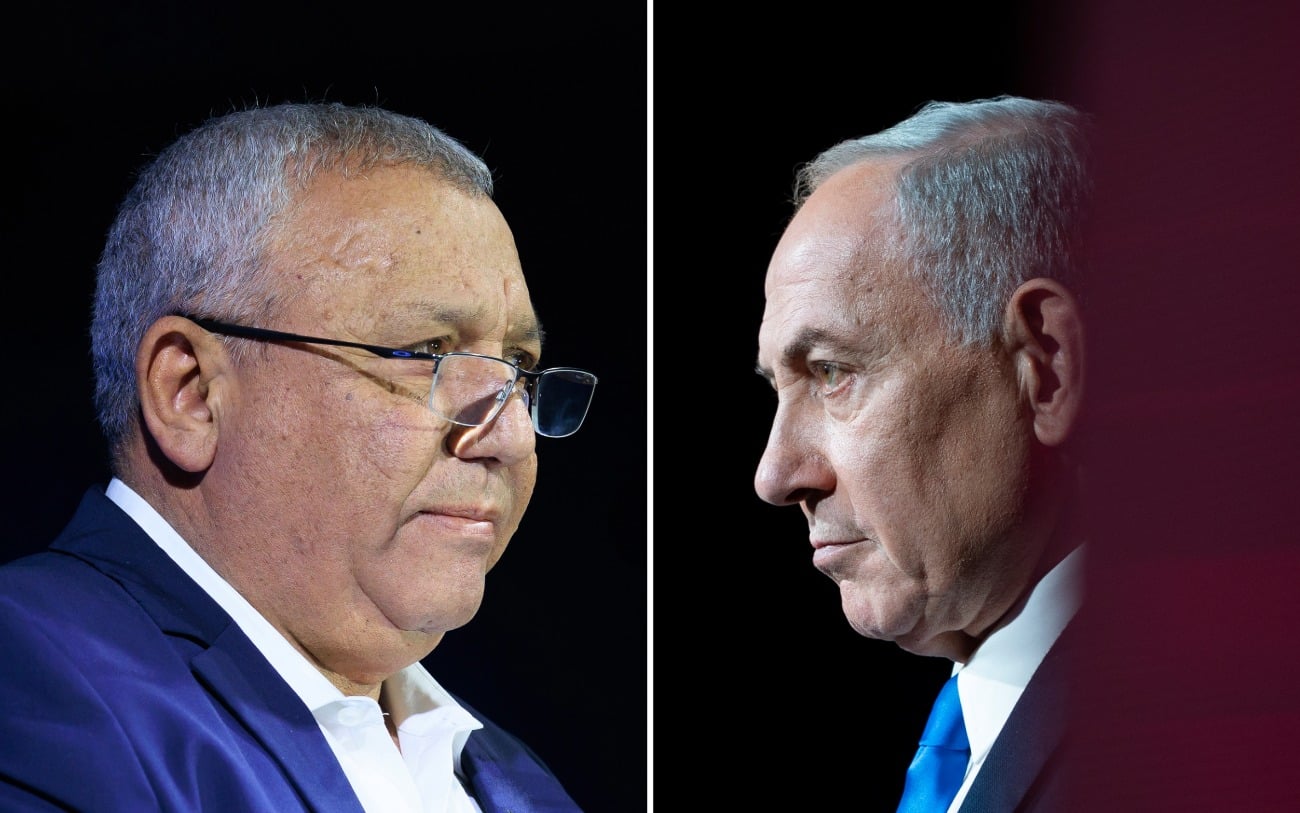
Recent polling data indicates that Gadi Eisenkot, a former IDF chief, holds a significant lead over Benjamin Netanyahu when voters are asked to identify their preferred choice for the premiership. Despite this individual lead, the broader distribution of seats within the Knesset remains largely static, suggesting that the existing political blocs would struggle to form a stable governing coalition without the support of Arab parties.
The survey, which reflects the current fragmentation of the Israeli electorate, highlights a persistent challenge for opposition figures looking to unseat the prime minister. While individual candidates may garner higher personal favorability, the collective parliamentary arithmetic remains tied to the established ideological alliances that have defined recent election cycles in Israel.
Electoral Dynamics and Bloc Stability
The political landscape in Israel is currently characterized by a deep-seated stalemate between established blocs. While the hypothetical performance of a party led by Eisenkot—referred to in recent reporting as the “Yashar” party—suggests a potential shift in voter preference, the aggregate seat projections do not currently indicate a decisive move toward a new governing majority.

The challenge for any coalition seeking to replace the current government lies in the necessity of securing support from parties that have historically occupied the fringes of the political spectrum. Without the inclusion of Arab parties, the anti-Netanyahu bloc often finds itself mathematically unable to cross the 61-seat mark.
Legislative and Political Context
The rise of figures like Eisenkot represents an attempt to bridge the divide between moderate-center voters and those disillusioned with the current administration, yet the polling suggests that personal popularity does not always translate into a shift in partisan loyalty.
For voters, the distinction between a preferred prime minister and a preferred parliamentary party is significant. While Eisenkot’s personal appeal may attract voters from across the ideological spectrum, the institutional nature of the Knesset means that electoral success is ultimately measured by the number of seats a party secures under the proportional representation system.
Future Developments and Procedural Timelines
Observers of Israeli politics will continue to monitor the performance of new political entities like the proposed Yashar party as they seek to formalize their platforms and recruit candidates. Until such time as an election is officially called by the Knesset, polling data serves primarily as a barometer of public sentiment rather than a predictor of imminent change.
We welcome your insights on the evolving political landscape. Please feel free to share your thoughts or continue the discussion in the comments section below.
Related reading