
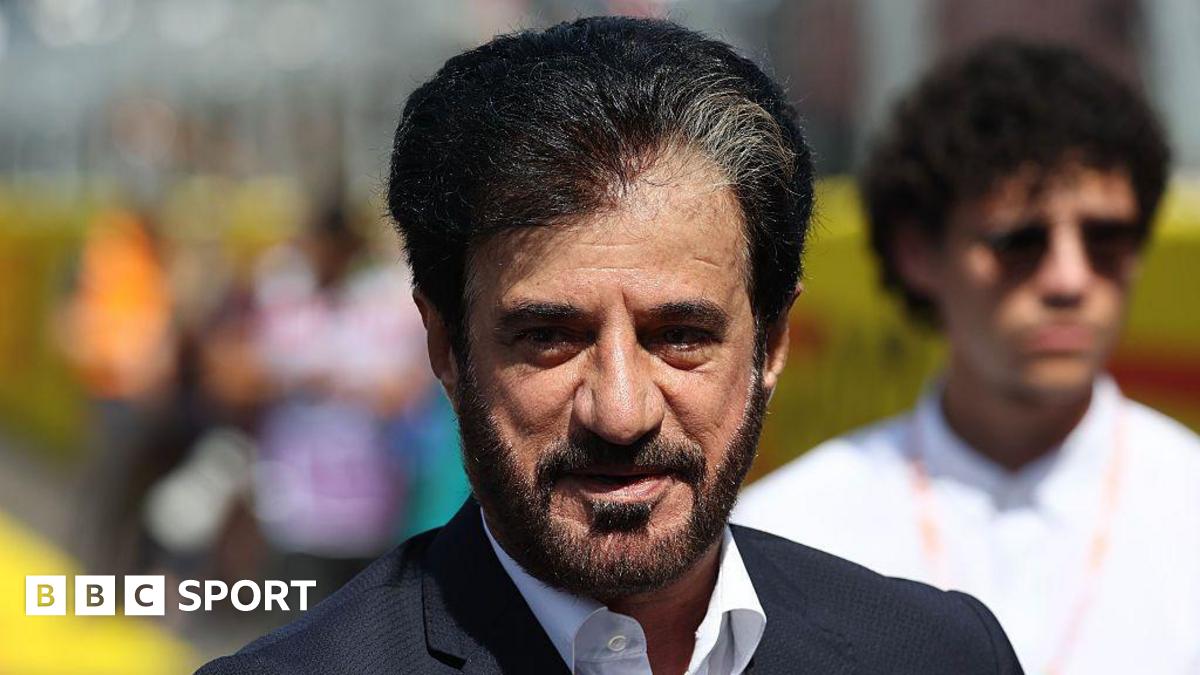
The governance of international motorsport is currently at a crossroads as discussions intensify regarding the future structure of the Fédération Internationale de l’Automobile (FIA). As the governing body responsible for major global racing series, including the FIA Formula One World Championship, the organization’s internal policies are subject to rigorous scrutiny. Recent reports indicate that FIA President Mohammed Ben Sulayem has initiated a proposal to remove term limits for the organization’s presidency, a move that would fundamentally alter the leadership dynamics of the 121-year-old institution.
For those following the administrative evolution of global sport, the prospect of removing term limits—which currently constrain how long an individual can hold the highest office—is a significant development. The FIA, headquartered at 8 Place de la Concorde in Paris, is an international non-profit association that serves as the umbrella organization for 245 member organizations across 149 countries. Any shift in its governing structure, as outlined in the official FIA Statutes and Internal Regulations, would require careful navigation of the organization’s legal and ethical frameworks.
Understanding the FIA Governance Framework
The FIA operates under a complex governance structure, balancing the interests of its mobility division—which advocates for road safety and the automotive industry—and its sport division, which oversees international championships. The presidency is the focal point of this structure, representing the federation before global bodies such as the International Olympic Committee and the United Nations Environment Programme. As of 2026, Mohammed Ben Sulayem holds this office, having been elected to lead the federation’s diverse portfolio of activities.

According to the organization’s published statutes, the FIA is governed by its General Assembly, which serves as the ultimate decision-making body. Any proposal to amend constitutional rules, such as those governing presidential terms, typically necessitates a majority vote from this assembly. This ensures that changes to the leadership structure reflect the consensus of the federation’s widespread membership. The transparency of these processes is overseen by the FIA Ethics Committee, which maintains the integrity of the organization’s internal operations and adherence to its established statutes.
The Implications of Presidential Term Limits
In the context of international sporting federations, term limits are often viewed as a mechanism to ensure fresh perspectives, prevent the stagnation of leadership, and maintain democratic accountability. The debate over whether to retain, amend, or abolish these limits is not unique to the FIA; many global organizations face similar internal questions as they navigate the balance between long-term strategic continuity and the need for periodic renewal.
Proponents of removing term limits often argue that such a change allows for sustained implementation of long-term projects, such as the FIA’s sustainability initiatives or its global road safety campaigns, like the #3500 LIVES movement. Conversely, critics frequently suggest that term limits are essential for preventing the concentration of power and ensuring that the federation remains responsive to the evolving needs of its member clubs and the global motorsport community. As the FIA moves forward, the discourse will likely center on which model best serves the diverse stakeholders of the world’s most prominent motorsport governing body.
Looking Ahead: The Path for Reform
The process for amending the FIA’s governing documents is clearly defined within its internal regulations. Any motion to alter the statutes must be formally presented and debated in accordance with the procedures stipulated in the organization’s legal code. As we look toward future sessions of the General Assembly, the focus will remain on whether there is sufficient support among the 245 member organizations to move forward with this proposal.

For stakeholders and fans of the sport, the outcome of this debate will define the leadership trajectory of the FIA for years to come. While no official date for a definitive vote on this specific constitutional change has been publicized in official statements, the annual FIA Activity Reports and future meeting agendas will serve as the primary conduits for updates on this matter. We will continue to monitor the official channels of the FIA to provide accurate, verified updates as this story develops.
As a journalist covering the intersection of sports governance and global competition, I invite our readers to stay engaged with these developments. How do you view the role of term limits in international sports administration? Share your thoughts in the comments section below as we continue to track the evolution of global motorsport.