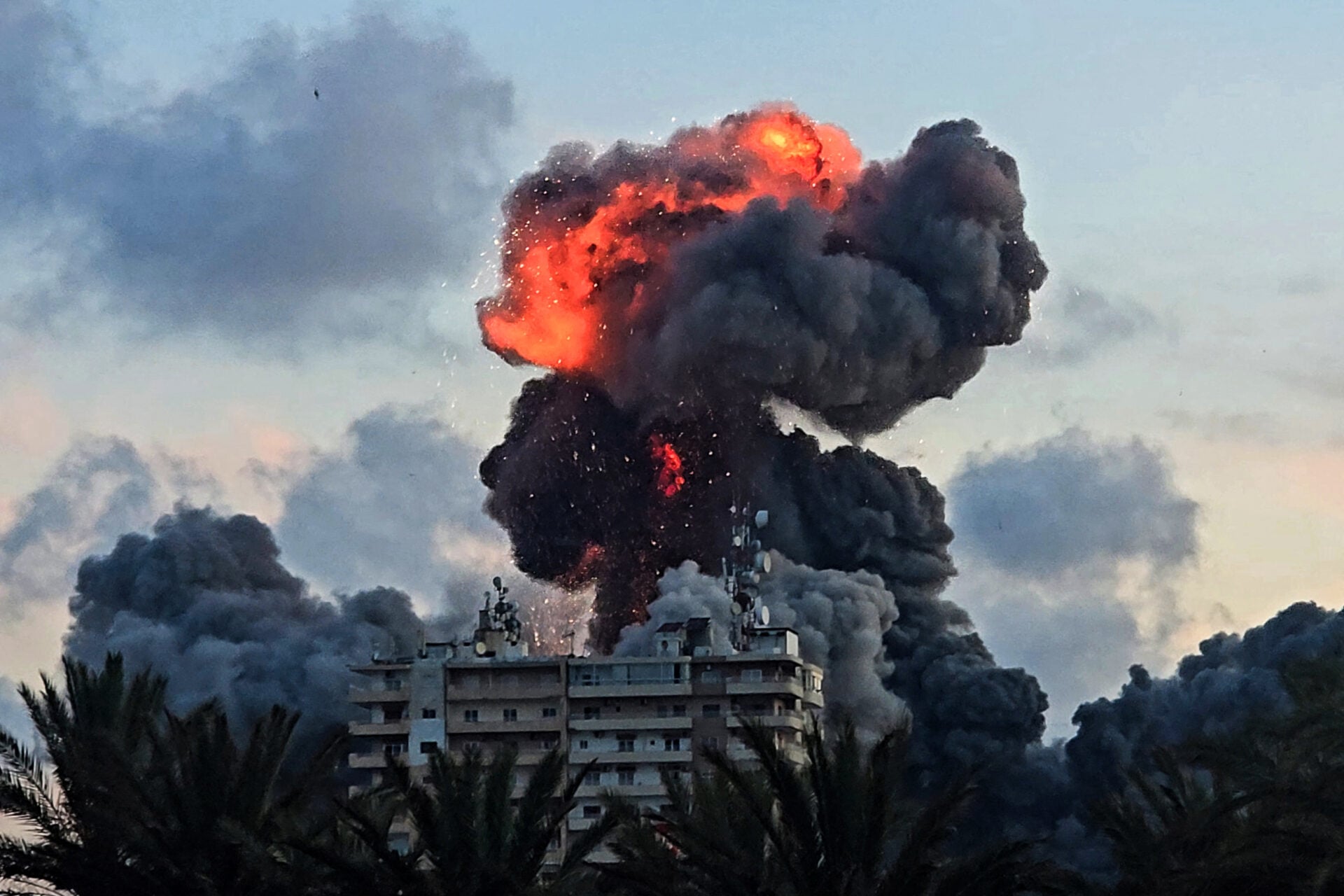
The geopolitical landscape across the Middle East remains in a state of heightened volatility as recent reports of U.S.-Iran military exchanges signal a significant escalation in regional tensions. Following a series of strikes and counter-strikes, observers are closely monitoring the stability of the Strait of Hormuz and the subsequent impact on global energy markets. As an editor who has spent over 14 years analyzing the complexities of international relations, I find that these developments are not merely isolated tactical events but are symptomatic of a deeper, long-standing friction between Washington and Tehran that continues to defy simple diplomatic resolution.
The recent intensification of hostilities has prompted concerns among international stakeholders regarding the security of vital maritime corridors. With the global energy market remaining hypersensitive to disruptions in the Persian Gulf, the latest military maneuvers have triggered a noticeable spike in natural gas prices, reflecting the market’s anxiety over potential supply chain bottlenecks. As we navigate these precarious developments, it is essential to distinguish between verified tactical movements and the often-speculative rhetoric that frequently accompanies such high-stakes standoffs.
Escalating Tensions and the Strategic Strait
The core of the current instability revolves around the recurring friction in the Persian Gulf. The Strait of Hormuz remains one of the world’s most critical “chokepoints,” through which a significant portion of the world’s liquid petroleum passes daily. Any signal of military intent in this region is immediately reflected in commodity pricing, as seen in the recent volatility across European energy exchanges.
While reports from various regional media outlets have described the recent exchanges as the most intense since the establishment of previous de-escalation protocols, it is vital to approach these characterizations with caution. Military analysts often note that the “intensity” of such conflicts is frequently measured by the proximity of assets and the nature of the weaponry deployed rather than just the frequency of the engagements. According to data provided by the U.S. Department of Defense, maintaining a posture of “deterrence” remains the stated objective of American forces in the region, even as they respond to perceived threats from Iranian-backed proxies and direct military posturing.
Market Reactions and Energy Security
The immediate economic fallout from these military exchanges has been felt most acutely in the energy sector. As reported by Reuters, energy traders are pricing in a “risk premium” whenever reports of naval skirmishes or drone interceptions emerge. This behavior is standard for markets that fear a widening of the conflict, which could potentially threaten the transit of Liquefied Natural Gas (LNG) tankers.

For the average consumer in Europe, this translates to sustained uncertainty in utility costs. The European Union has worked diligently to diversify its energy imports since 2022, yet the interconnected nature of the global market means that a flare-up in the Middle East still carries significant weight in Brussels, and beyond. It is a stark reminder of how deeply integrated the global economy is, and how quickly geopolitical friction can transform into domestic economic pressure.
Diplomatic Challenges and the Path Forward
Looking at the broader picture, the challenge for international diplomacy is to create a “cooling-off” mechanism that prevents miscalculation. History has shown that in environments where both sides employ “gray zone” tactics—actions that fall just below the threshold of declared war—the risk of accidental escalation is at its highest. Diplomatic channels, often facilitated by third-party nations, are reportedly active, though public statements from both Washington and Tehran remain entrenched in their respective positions.
In my experience covering these regions, the rhetoric of “not backing down” is often a necessary component of domestic political posturing in both capitals. However, behind closed doors, the emphasis is frequently on “de-confliction.” Ensuring that military commanders have reliable lines of communication is the most effective way to prevent a localized skirmish from spiraling into a broader regional conflict. As we look ahead, the United Nations Security Council continues to urge restraint, though its ability to influence the immediate tactical decisions of major powers remains constrained by the current geopolitical divide.
Key Takeaways
- Regional Instability: The U.S. And Iran remain locked in a cycle of tactical strikes, elevating the risk of miscalculation in the Persian Gulf.
- Energy Market Sensitivity: Natural gas and oil prices remain highly reactive to any news of military activity near the Strait of Hormuz.
- Strategic Deterrence: The U.S. Maintains a policy of deterrence, while Iranian leadership continues to assert its regional influence despite international sanctions.
- Diplomatic Stasis: While back-channel communications are presumed to be active, there is currently no formal framework to de-escalate the latest round of tensions.
What Happens Next?
The situation remains fluid. The next major checkpoint will likely come in the form of official briefings from the U.S. Central Command (CENTCOM) regarding the status of regional assets and any further adjustments to maritime security patrols. Simultaneously, market analysts will be watching the next sessions of the major energy futures exchanges to see if the current price volatility stabilizes or persists.

As this story develops, I encourage our readers to rely on primary sources for updates, such as official statements released by the U.S. Department of State or verified reports from international monitoring organizations. We will continue to track these developments with the rigor and impartiality that our global audience expects. Please join the conversation in the comments section below—how do you view the balance between national security interests and the need for regional energy stability? Your perspectives are a vital part of our ongoing analysis.
Related reading