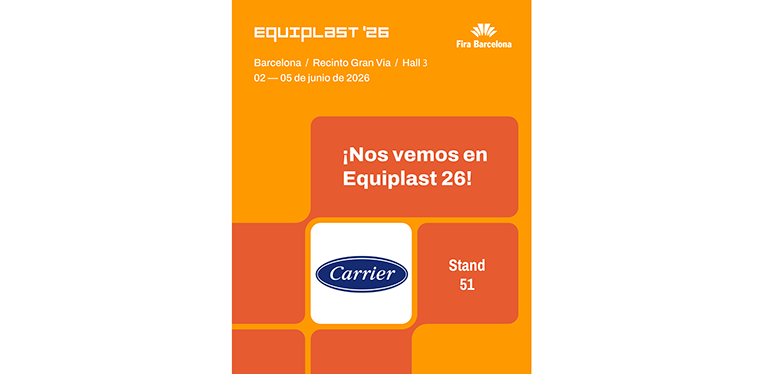
As the industrial sector continues to navigate the complexities of global supply chain stability and energy efficiency, major players are increasingly focusing on the intersection of climate solutions and operational longevity. Carrier Global Corporation, a multinational leader in heating, ventilation, and air conditioning (HVAC) systems, has signaled its intent to showcase new technologies aimed at optimizing operational continuity for the industrial sector at the upcoming Equiplast 2026 event. This move underscores a broader industry push to integrate intelligent climate solutions with the rigorous demands of modern manufacturing.
For industrial operators, the focus on “operational continuity” represents a critical shift in how they view climate control infrastructure. Rather than treating HVAC systems as mere utilities, companies are increasingly viewing them as strategic assets that influence energy consumption, equipment lifespan, and the ability to maintain production schedules without interruption. As global markets demand higher environmental, social, and governance (ESG) standards, the integration of intelligent, connected ecosystems—as described in the latest corporate updates from Carrier—has become a focal point for organizations looking to balance efficiency with reliability.
The Strategic Role of HVAC in Industrial Efficiency
The manufacturing environment presents unique challenges for climate technology. Beyond simple temperature regulation, modern industrial facilities require precise control over environments to protect sensitive equipment, ensure worker safety, and meet stringent regulatory requirements. Carrier, which operates as an independent, publicly traded entity under the ticker NYSE: CARR, has moved to align its product development with these industrial needs by emphasizing “intelligent” and “connected” solutions.
This strategic direction is consistent with the company’s recent financial reporting, which highlights a focus on intelligent climate and energy solutions as a core business driver. By deploying systems that can sense and respond to changing conditions in real-time, industrial facilities can theoretically reduce downtime caused by equipment failure or environmental fluctuations, thereby bolstering the “operational continuity” that is frequently cited as a priority for industrial stakeholders.
Equiplast 2026 and the Future of Industrial Technology
Equiplast, a significant event for the plastics and industrial manufacturing sector, serves as a platform for demonstrating how these high-level climate technologies translate into practical, on-the-floor applications. The participation of global firms in such events is rarely about hardware alone; it is about demonstrating how specific engineering solutions can solve the “essential needs and biggest challenges” faced by industries, from data centers to large-scale manufacturing plants.
The emphasis on efficiency at such forums is driven by both economic and regulatory pressures. With rising energy costs and a tightening regulatory environment regarding carbon footprints, the ability to optimize HVAC systems is no longer a luxury but a necessity. Companies are increasingly seeking solutions that offer:
- Enhanced remote monitoring and diagnostics to predict maintenance needs before failures occur.
- Advanced filtration and ventilation systems that maintain air quality standards while minimizing energy draw.
- Modular climate control units that can scale with changing production demands.
Looking Ahead: The Path for Industrial Operators
For those attending industry events like Equiplast 2026, the key takeaway will likely be the shift toward data-driven climate management. As firms continue to modernize, the integration of HVAC systems into a facility’s broader Industrial Internet of Things (IIoT) architecture will be the next frontier in operational excellence. This transition allows for a more granular understanding of energy usage and system health, moving the industry away from reactive maintenance toward a proactive, data-informed strategy.
Carrier’s ongoing efforts in this space reflect a wider trend among global industrial leaders to move beyond legacy hardware models. As the company prepares for its upcoming appearances at industry conferences—including scheduled presentations such as the Wells Fargo 16th Annual Global Industrials & Materials Conference—the focus remains clear: leveraging technology to provide resilient, sustainable, and efficient solutions for a changing world.
The next major checkpoint for investors and industry stakeholders will be the upcoming corporate presentations in June 2026, where further details regarding operational strategy and market outlook are expected to be disclosed. We invite our readers to share their insights on how intelligent climate solutions are transforming their own industrial operations in the comments section below.
Worth a look