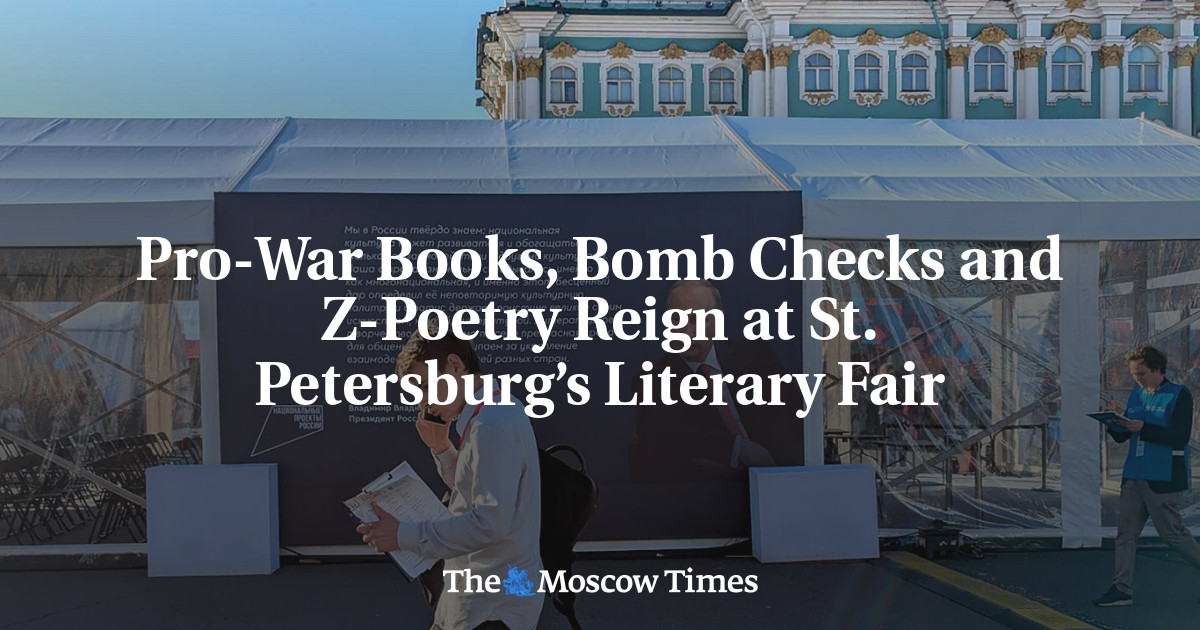
The St. Petersburg International Book Fair, long regarded as a cornerstone of the Russian literary calendar, has undergone a profound transformation. In recent iterations, the event has increasingly served as a platform for state-aligned narratives, with a noticeable surge in pro-war literature and “Z-poetry” that mirrors the Kremlin’s official stance on the ongoing conflict in Ukraine. For observers of the Russian cultural landscape, this shift is not merely a change in catalog—it reflects the tightening grip of state censorship and the mounting pressure facing independent publishers across the country.
As I reflect on these developments from my desk here in Sofia, the Russian publishing sector is navigating a precarious new reality. The integration of nationalist themes into mainstream literary forums is part of a broader trend of legislative and social pressure that has seen hundreds of authors, translators, and editors either leave the country or face intense scrutiny from authorities. This year’s fair, characterized by heightened security measures and a curated selection of titles, underscores the divide between state-sanctioned creative output and the remnants of a once-vibrant, diverse publishing ecosystem.
The Rise of State-Aligned Literature
The prominence of pro-war themes at major literary events is a direct response to the legislative environment established following the February 2022 full-scale invasion of Ukraine. Since then, the Russian government has enacted a series of laws, including the 2022 “foreign agent” amendments and legislation criminalizing the dissemination of “false information” about the Russian military, which have fundamentally altered the publishing landscape. According to reports from Reuters, these measures have forced many independent publishers to self-censor or cease operations entirely to avoid criminal prosecution.

The “Z-poetry” movement—named after the symbol painted on Russian military vehicles—has been heavily promoted by state-affiliated organizations. These works often focus on themes of patriotic duty, historical revisionism, and the glorification of the “Special Military Operation.” However, this state-backed literary push is not occurring in a vacuum. It is accompanied by the systematic removal of books by authors who have voiced opposition to the war. Major bookstore chains have reported receiving instructions to withdraw titles from writers labeled as “foreign agents” or those who have been vocal in their criticism of government policy, as detailed in recent analyses of Russian censorship practices.
Mounting Pressure on the Publishing Industry
For those remaining in Russia, the business of publishing has become an exercise in risk management. Publishers are now required to navigate an increasingly complex set of “moral guidelines” that effectively serve as a blacklist for specific topics and authors. The pressure is multifaceted, involving not just legal threats but also economic coercion. State grants and partnerships are increasingly contingent on aligning with the official political ideology, leaving independent houses with limited avenues for survival.
The environment at public events like the St. Petersburg Book Fair now includes rigorous security checks, a development that many cultural commentators view as an attempt to intimidate dissenters and ensure that only “appropriate” messaging reaches the public. This atmosphere of surveillance is consistent with the broader crackdown on civil society, where the Human Rights Watch has documented the systematic dismantling of independent media and cultural institutions. The result is a hollowed-out literary scene where the space for nuanced debate or alternative perspectives has effectively evaporated.
Key Takeaways: The Changing Russian Literary Landscape
- Legislative Constraints: New laws regarding “foreign agents” and military “disinformation” have created a high-risk environment for publishers.
- Curated Content: State-aligned themes, including pro-war narratives and nationalist poetry, have become the focus of major industry events.
- Systemic Censorship: Independent authors and those critical of the war are increasingly being removed from bookstore shelves and public discourse.
- Exile and Silence: A significant portion of the Russian literary intelligentsia has relocated abroad, leading to a “brain drain” in the creative sector.
The Human Cost of Cultural Conformity
The impact of this shift extends far beyond the pages of the books being promoted. For many Russian writers, the choice is stark: align with the state, remain silent, or face the consequences of exile. The loss of a diverse literary voice within Russia means that future generations may have limited access to the critical, reflective works that once defined the country’s rich literary tradition. This is not merely a political issue; it is a profound cultural loss that will likely have long-term consequences for Russian identity and global intellectual exchange.

As we monitor these trends, it is essential to distinguish between the state-sanctioned facade presented at fairs like the one in St. Petersburg and the quiet, often underground, efforts of those still striving to preserve independent thought. While the current climate favors conformity, history suggests that such rigid control of culture is rarely sustainable in the long term. However, for the present, the pressure on the industry remains at an all-time high, with little sign of reprieve.
The next major checkpoint for the industry will likely be the upcoming annual reports on the Russian publishing market, which are expected to reflect the full impact of the 2024 economic and political constraints on independent houses. We will continue to track these developments and provide updates on how the Russian cultural sector adapts to these ongoing challenges. If you have insights or observations regarding the state of global publishing, I invite you to share your thoughts in the comments section below.
Keep reading