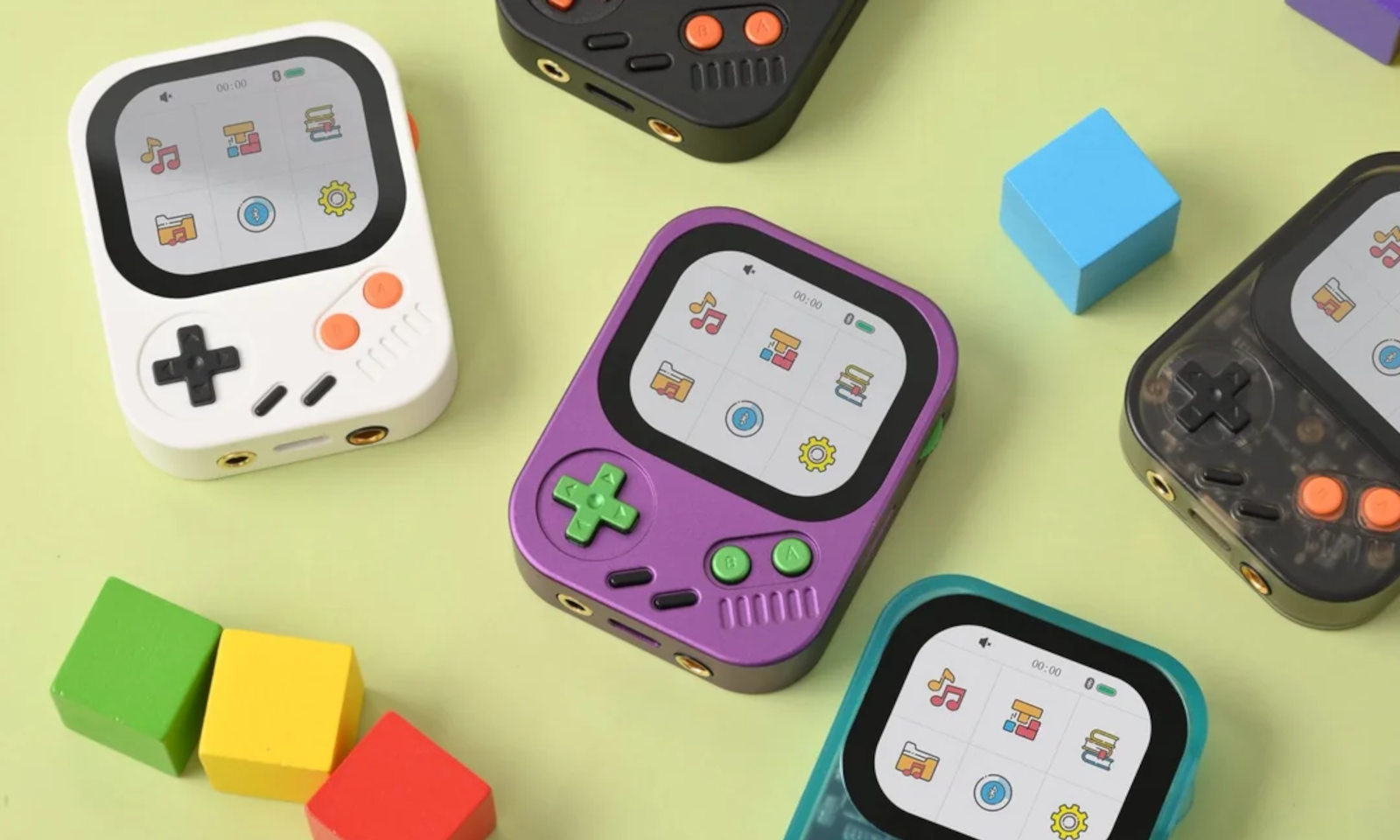
The retro-style audio player market has a new high-fidelity contender in the form of the FiiO M11S, a digital audio player (DAP) that blends 1990s console aesthetics with modern high-resolution audio hardware. According to FiiO’s technical specifications, the device utilizes a dual AK4493SEQ DAC configuration to deliver studio-grade sound quality while maintaining a chassis design that appeals to enthusiasts of vintage technology.
For audiophiles, the FiiO M11S serves as a dedicated bridge between the convenience of streaming and the sonic purity of standalone hardware. By offloading audio processing from a smartphone to a dedicated device, users avoid the electrical interference and battery drain typical of mobile phones. The device supports a wide array of high-resolution formats, including DSD and MQA, ensuring that lossless audio files are reproduced with precision.
The shift toward “retro-modern” hardware is not merely a stylistic choice but a response to a growing consumer demand for tactile interfaces and dedicated-purpose electronics. As smartphones consolidate all functions into a single glass slab, the M11S offers a physical presence and specialized hardware path that maximizes audio fidelity. This approach allows the device to drive high-impedance headphones that standard mobile devices cannot power effectively.
Technical Specifications and Audio Architecture
At the core of the FiiO M11S is the dual ESS or AKM chipset architecture, depending on the specific regional iteration, though the AK4493SEQ is the primary driver for the current global standard. According to FiiO’s official product documentation, this dual-DAC setup reduces channel crosstalk and improves the signal-to-noise ratio, providing a wider soundstage and more accurate instrument separation.

The device runs on a customized version of Android, allowing users to install third-party applications such as Tidal, Qobuz, and Apple Music. This integration ensures that while the hardware is specialized, the software remains flexible. The inclusion of a dedicated “Android bypass” or custom audio engine allows the music to skip the standard Android audio resampler, which typically degrades sound quality by forcing all audio to a specific sample rate.
Connectivity options are comprehensive, featuring a 3.5mm single-ended output and a 4.4mm balanced output. The balanced output is critical for high-end headphones, as it provides more power and further reduces noise interference. The device also supports USB-C for charging and digital transport, enabling it to function as a USB DAC for computers.
Design Philosophy: 90s Aesthetics Meet Modern Utility
The visual identity of the M11S is a deliberate nod to the “grey-box” era of the 1990s, characterized by sharp angles, a matte finish, and a sturdy build quality. This design language mirrors the iconic gaming consoles and Hi-Fi components of that decade, which emphasized durability and a professional, industrial look.
Unlike modern smartphones that prioritize thinness, the M11S has a substantial heft. This is a functional requirement; the internal shielding necessary to prevent electromagnetic interference (EMI) from affecting the audio path requires a more robust chassis. The physical buttons provide tactile feedback that touchscreens cannot replicate, allowing users to skip tracks or adjust volume without looking at the screen.
The display is a high-resolution touch panel that provides the necessary interface for navigating large music libraries. However, the surrounding bezel and the placement of the ports maintain the retro silhouette. This contrast creates a product that feels nostalgic yet performs with the efficiency of 2024 hardware.
Performance Comparison: Dedicated DAP vs. Smartphone
The primary advantage of a dedicated player like the M11S over a smartphone is the amplification stage. Most smartphones use integrated codecs that compress audio to save power. In contrast, the M11S utilizes a dedicated amplification circuit that can push significantly more voltage to the drivers of a headphone.
| Feature | Standard Smartphone | FiiO M11S (DAP) |
|---|---|---|
| DAC | Integrated SoC (Low Power) | Dual Dedicated DAC Chips |
| Output | 3.5mm (rare) or USB-C Dongle | 3.5mm Single + 4.4mm Balanced |
| Audio Path | Android Resampling (Standard) | Direct Audio Path/Bypass |
| Power | Limited (suitable for IEMs) | High (suitable for full-size cans) |
This difference is most apparent when using high-impedance headphones, such as those from Sennheiser or Beyerdynamic. A smartphone may struggle to reach a comfortable listening volume or may introduce “clipping” and distortion. The M11S maintains a clean signal even at higher volumes, which is the hallmark of Hi-Fi equipment.
Market Impact and the Rise of the “Digital Detox”
The popularity of devices like the M11S signals a broader trend in consumer electronics: the desire for “single-tasking” hardware. By separating music playback from the primary communication device, users can engage in a more mindful listening experience, free from the distractions of social media notifications and emails.

This movement is closely tied to the resurgence of vinyl and cassettes, where the physical act of interacting with the media is part of the appeal. The M11S captures this spirit in a digital format. It provides the convenience of a 1TB microSD card slot—capable of holding thousands of lossless albums—while offering a physical interface that feels like a piece of legacy equipment.
For the global audience, this represents a shift in the definition of “luxury” tech. It is no longer just about the newest screen or the fastest processor, but about the quality of the experience and the intentionality of the design. The M11S targets a demographic that values both the history of audio engineering and the precision of modern semiconductors.
As FiiO continues to update its firmware, users can expect improved stability and expanded compatibility with new streaming codecs. The next scheduled firmware updates are expected to focus on optimizing battery life during high-gain playback, a common challenge for high-power DAPs.
Do you prefer the convenience of a smartphone or the fidelity of a dedicated player? Share your thoughts in the comments below.