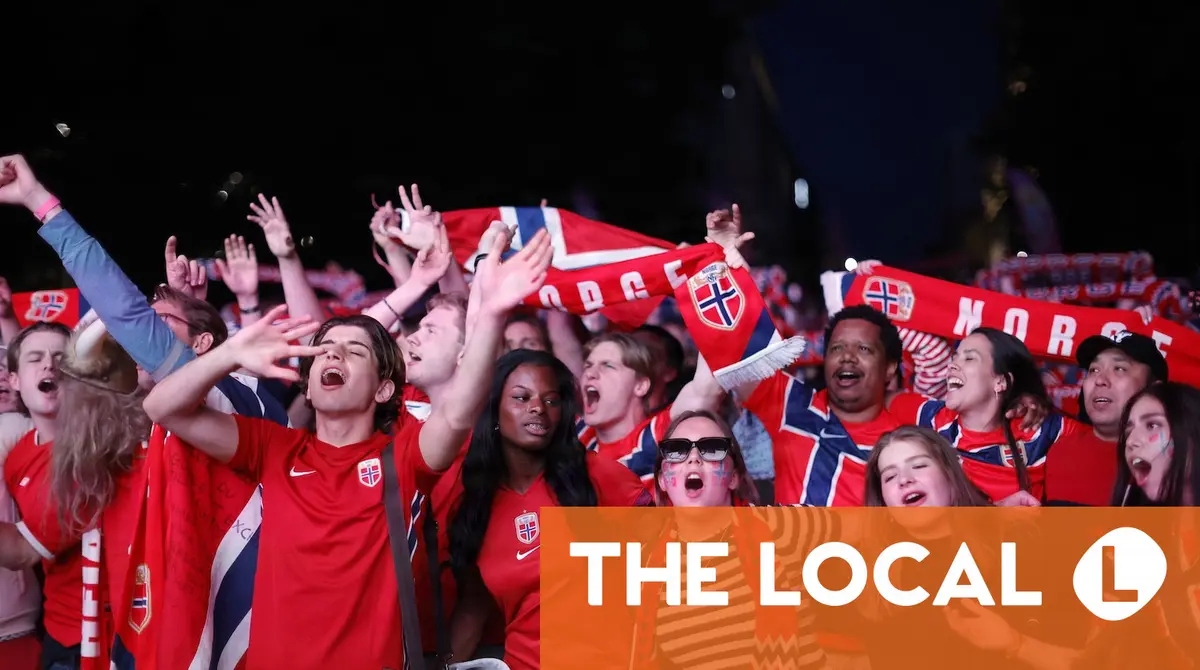
While Scandinavian neighbors often maintain a fierce sporting rivalry, the prospect of a Norwegian victory on the international stage frequently generates a complex mix of regional support and nationalistic pride across Denmark. As the global football calendar shifts toward major tournament cycles, the cultural and historical ties between Denmark and Norway often override traditional competition, positioning a Norwegian success as a broader Nordic achievement.
The sentiment is rooted in the shared history and linguistic proximity of the Nordic nations, a phenomenon often described as “Nordic exceptionalism.” According to the Nordic Council of Ministers, the cooperation between Denmark, Norway, and Sweden is built on centuries of political and cultural integration, which frequently influences public perception during international sporting events. When one nation performs well, it is often viewed by its neighbors as a validation of the collective Nordic model of sports development and social organization.
The Dynamics of Nordic Sporting Rivalries
The relationship between Danish and Norwegian football fans is characterized by a “friendly rivalry.” While matches between the two national teams are highly anticipated and intensely contested, there is a widely acknowledged consensus that when one team is eliminated, fans often shift their support to their Scandinavian neighbors. This behavior is distinct from the more adversarial dynamics seen in other European football rivalries.

Sociologists studying sports fandom in Northern Europe have noted that the “proximity effect” plays a significant role in how national identity is projected during events like the FIFA World Cup. Research published by the International Review for the Sociology of Sport highlights that regional identity in the Nordic countries is often prioritized when a nation faces non-European or geographically distant opponents. For a Danish fan, a Norwegian win is frequently perceived as a victory for the “Scandinavian way” of playing, which emphasizes collective effort and tactical discipline over individual star power.
Historical Ties and Modern Cultural Alignment
Beyond the pitch, the support for Norway in Denmark is bolstered by deep economic and political ties. The two nations share a long history—notably the Denmark-Norway union that lasted from 1536 until 1814. This shared heritage continues to influence contemporary diplomatic relations and public opinion.

According to the official Danish government portal, the “Nordic Model”—a combination of free-market capitalism and a comprehensive welfare state—is a source of shared pride. When a Norwegian team succeeds in an international tournament, it is often framed in Danish media as a triumph of these shared values. This framing shifts the narrative from a narrow “us versus them” competition to a broader celebration of the region’s ability to compete at the highest level of world sports despite the relatively small populations of these countries.
Why Regional Representation Matters
For many observers, the success of a Scandinavian team at the World Cup serves as a vital marker for the region’s relevance in global sports. Because the Nordic countries have smaller player pools compared to European powerhouses like Germany, France, or England, a deep tournament run by any of these nations is seen as an achievement for the entire region.
This perspective is supported by the Union of European Football Associations (UEFA), which tracks the development of youth football and infrastructure across member nations. The investments made in grassroots football in Denmark and Norway are often modeled on similar principles, including high accessibility and a focus on community-based clubs. Consequently, when a team like Norway succeeds, it serves as a proof of concept for the developmental strategies employed by the Danish Football Association (DBU) and its Norwegian counterpart, NFF.
Looking Ahead: The Future of Scandinavian Football
The next major checkpoint for these nations will be the upcoming qualification rounds for the next cycle of international tournaments. The FIFA World Cup 2026, which will be hosted in Canada, Mexico, and the United States, represents a significant hurdle for European teams due to the increased competition for qualification slots. Both Danish and Norwegian authorities continue to focus on long-term infrastructure investments to ensure their national programs remain competitive.

As the football landscape continues to evolve, the unique bond between Denmark and Norway is likely to persist, characterized by a blend of intense individual competition and collective regional pride. While the rivalry on the field remains as sharp as ever, the underlying cultural connection ensures that for many in Denmark, a Norwegian win is viewed as a victory for the shared Scandinavian identity.
We invite our readers to share their perspectives on the evolving dynamics of Nordic sporting rivalries. How do you view the support between neighboring nations during international tournaments? Join the conversation in our comments section below.
Worth a look