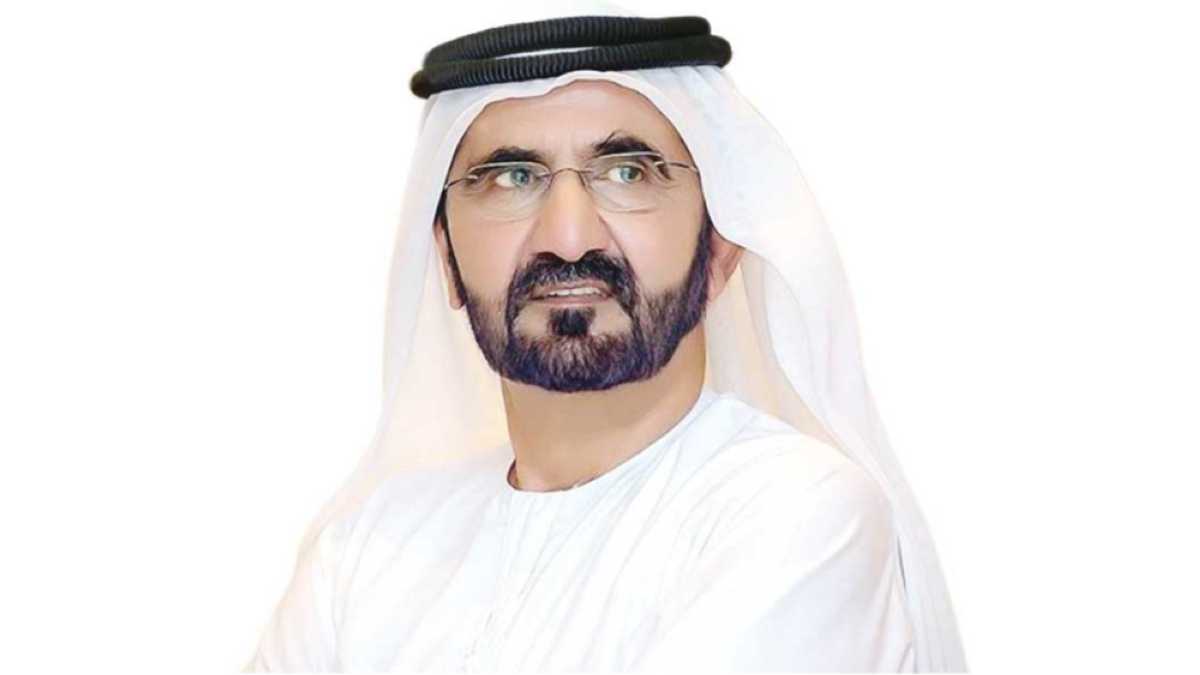
As the Islamic world celebrated the sacred occasion of Eid al-Adha this year, the United Arab Emirates witnessed a series of traditional high-level gatherings, highlighting the nation’s political cohesion and its commitment to long-standing cultural customs. Sheikh Mohammed bin Rashid Al Maktoum, Vice President and Prime Minister of the UAE and Ruler of Dubai, held formal receptions to mark the holiday, welcoming dignitaries, senior officials, and citizens who arrived to offer their greetings.
These annual receptions, held at various royal palaces across the emirates, serve as a cornerstone of the UAE’s leadership style, emphasizing direct engagement between the ruling families and the public. During the Eid al-Adha period, which commemorates the devotion of Prophet Ibrahim, the UAE leadership participated in a series of communal prayers and diplomatic exchanges that underscore the country’s role in the regional and global Islamic landscape. According to the Emirates News Agency (WAM), these events are central to the social fabric of the nation, reinforcing the bond between the government and the community.
The Significance of Eid al-Adha in the UAE
Eid al-Adha, often referred to as the “Festival of Sacrifice,” is one of the two major holidays in the Islamic calendar. In the UAE, the period is marked by official holidays, allowing for widespread family reunions and public celebrations. The leadership’s participation in these events is not merely ceremonial; it represents a commitment to the unity of the seven emirates. The UAE President, Sheikh Mohamed bin Zayed Al Nahyan, joined worshippers at the Sheikh Zayed Grand Mosque in Abu Dhabi to perform the Eid prayer, a tradition that sets the tone for the national observance, as confirmed by the Abu Dhabi Media Office.
The gatherings hosted by Sheikh Mohammed bin Rashid Al Maktoum in Dubai provided a venue for various segments of society—from military and police commanders to local residents—to exchange well-wishes. Such events are vital for maintaining the “spirit of the union,” a phrase frequently utilized by local observers to describe the collaborative governance model of the UAE. These interactions are a visible manifestation of the “Majlis” system, a traditional forum for consultation and hospitality that remains a pillar of Emirati governance.
Diplomatic Exchanges and Regional Solidarity
Beyond the domestic celebrations, the Eid period serves as a significant window for international diplomacy. The UAE leadership received a flurry of congratulatory cables from heads of state across the Arab and Islamic worlds. These communications, which are formally documented by the state news apparatus, serve to reaffirm bilateral ties and regional cooperation. The exchange of messages during this time is a standard diplomatic practice, yet it carries particular weight in the current geopolitical climate of the Middle East, where the UAE maintains a focus on stability and economic integration.
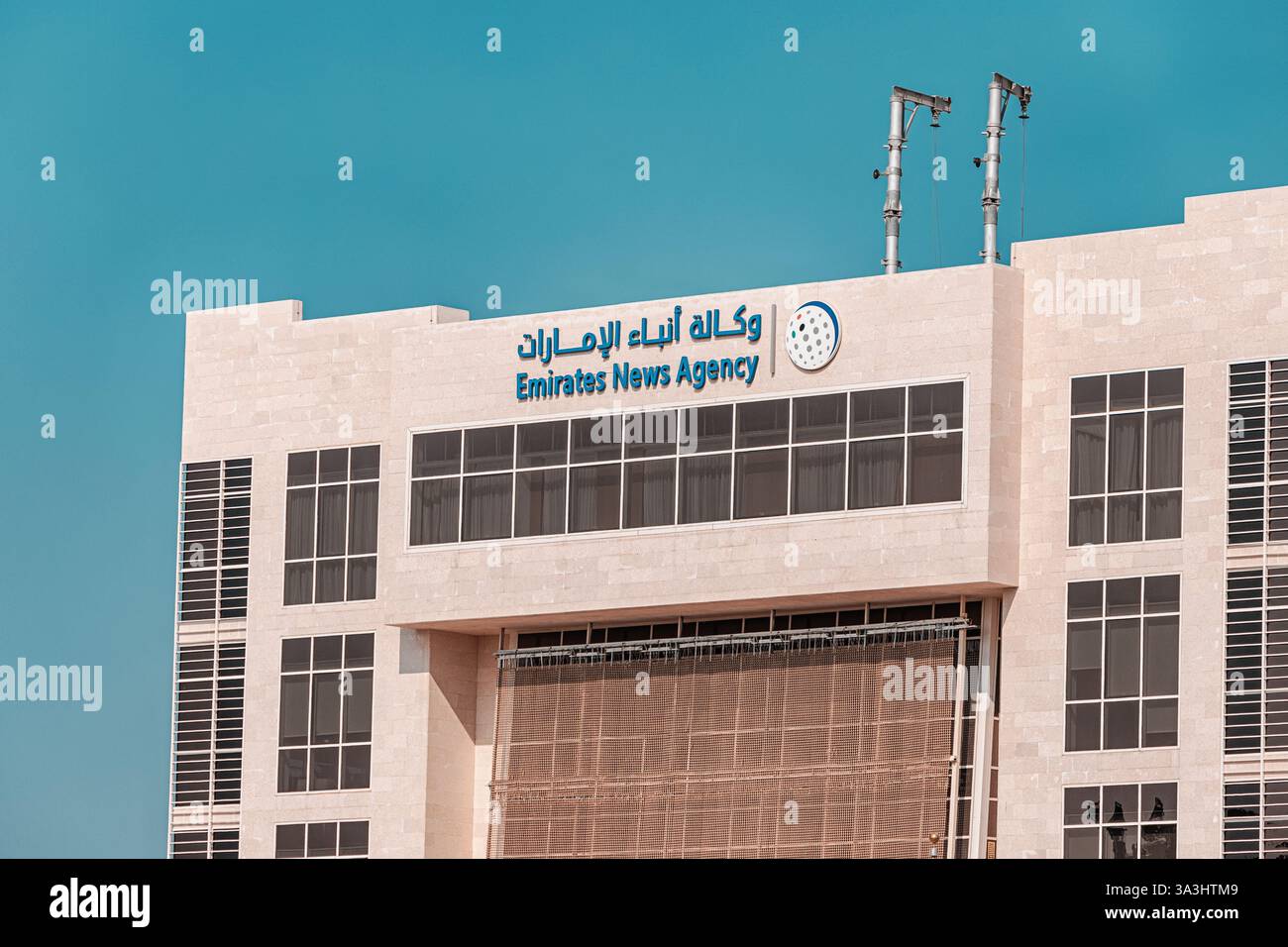
Official records from the Emirates News Agency indicate that the receipt of these messages is coordinated through the Ministry of Foreign Affairs, ensuring that the UAE’s diplomatic channels remain active even during public holidays. This continuous engagement highlights the country’s proactive stance in international affairs, as leaders utilize the holiday to reinforce alliances and extend goodwill to partners in the Gulf Cooperation Council (GCC) and beyond.
Tradition and Modern Governance
The blend of ancient tradition and modern administrative practice is a hallmark of the UAE’s development trajectory. While the Eid receptions follow protocols that have been in place for decades, they are increasingly supported by digital infrastructure. Announcements regarding public holidays, prayer times, and community events are now disseminated through centralized government portals and social media channels. This shift ensures that the public remains informed while the traditional essence of the holiday is preserved.
Observers often note that these high-profile events are crucial for signaling domestic stability to international investors and global partners. By maintaining a public presence during major religious holidays, the leadership demonstrates a continuity of vision that has become synonymous with the UAE’s rapid growth over the last half-century. Whether through the formal prayers at the Sheikh Zayed Grand Mosque or the receptions at the Zabeel Palace, the message remains one of national resilience and collective progress.
Looking Ahead: National Priorities
As the holiday period concludes, the focus of the UAE government returns to its long-term strategic objectives. These include the diversification of the national economy away from hydrocarbons, the expansion of the renewable energy sector, and the implementation of the “We the UAE 2031” vision. These goals are regularly discussed in the context of national unity, with Eid serving as a moment of reflection for both the leadership and the populace.
The next major checkpoint for the UAE leadership will involve the upcoming sessions of the Federal National Council (FNC), where legislative priorities for the remainder of the year will be finalized. Updates regarding these sessions, as well as official government policy changes, can be monitored through the official UAE Government Portal, which serves as the primary repository for all federal administrative updates. For those interested in the ongoing developments within the region, we encourage you to follow our coverage as we continue to track the policy decisions shaping the future of the Emirates.
We invite our readers to share their thoughts on the role of tradition in modern governance in the comments section below. Your insights contribute to the global conversation on how nations balance heritage with the demands of a rapidly evolving world.
Worth a look