
The German federal government is currently moving to reshape the operational and financial framework of the state-owned infrastructure operator, Autobahn GmbH. According to recent legislative proposals, the company, which is responsible for the management and maintenance of Germany’s extensive national motorway network, is set to gain the ability to secure external financing to bolster its project capabilities. This shift represents a significant move toward diversifying how the country funds its critical transport infrastructure, transitioning away from a model reliant solely on the federal budget.
For years, the Autobahn GmbH has operated under a system where funding is allocated directly from the national budget. This structure has left the company’s long-term planning susceptible to shifting fiscal priorities and the immediate cash-flow constraints of the state. By introducing a new legislative framework, the government aims to provide the company with more stable, long-term financial foundations, ensuring that the motorway network—which remains the primary artery for the nation’s logistics and transport—receives consistent investment.
A New Financial Strategy for National Infrastructure
The proposed legislative changes, which have been under discussion within the federal transport ministry, seek to establish a three-pillar financing model. Under this plan, the Autobahn GmbH would supplement traditional federal budget allocations with revenue from user-based financing—specifically through the integration of truck toll (Lkw-Maut) proceeds—and the introduction of private capital. This strategic pivot is designed to move the infrastructure manager toward a more autonomous and commercially viable footing.
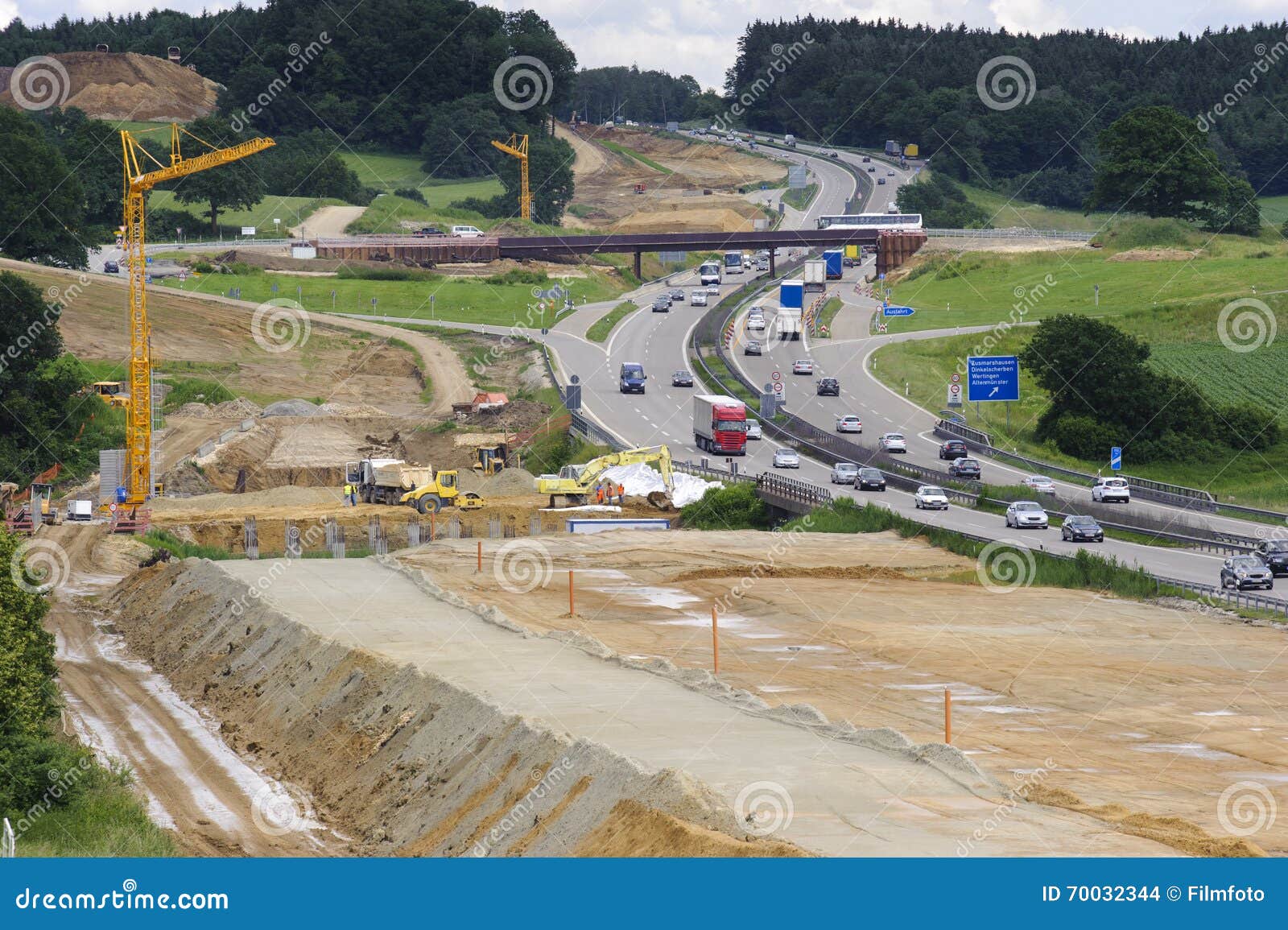
Central to this reform is the proposal that the Autobahn GmbH should become “limitedly creditworthy” (begrenzt kreditfähig). This designation would empower the company to take out loans and issue bonds on the capital markets. Proponents of the plan argue that these expanded financial tools will grant the company the necessary flexibility to undertake major construction and maintenance projects without being tethered strictly to the government’s annual budgetary cycles. The legislative language emphasizes that the road network will remain the most significant mode of transport in Germany, necessitating a financing structure that is both “reliable and sustainable.”
Contextualizing the Shift in Policy
The move to allow the Autobahn GmbH to access debt markets is a direct implementation of objectives outlined in the current governing coalition’s agreement. By allowing the company to engage in independent borrowing, the federal government aims to reduce the burden on taxpayers while maintaining the high standards required of the 13,210-kilometer federal motorway system. This transition is viewed by economic policymakers as a necessary evolution for a major state entity tasked with maintaining infrastructure that is vital to the broader European economy.
The reliance on the federal budget has often been criticized for creating “stop-start” funding patterns that can complicate large-scale engineering projects. By enabling the issuance of bonds and the procurement of commercial credit, the government intends to create a bridge between short-term political fiscal constraints and the long-term reality of infrastructure depreciation and growth. This approach aligns with broader European trends, where state-owned infrastructure companies increasingly utilize private debt to modernize transit networks.
Key Pillars of the Proposed Financing Model
- Federal Budgetary Allocations: Continued, though potentially adjusted, reliance on state funds for core operational costs.
- User-Financing: Direct access to revenue streams such as the national truck toll (Lkw-Maut) to provide a steady influx of capital.
- Private Capital Integration: Empowerment to issue bonds and secure loans, allowing for greater investment capacity in capital-intensive projects.
What Happens Next for Autobahn GmbH
As the legislative process continues, stakeholders in the transport and logistics sectors are closely monitoring the details of the draft bill. The ability of the Autobahn GmbH to enter the credit markets will likely be subject to strict regulatory oversight to ensure that the company’s debt levels remain sustainable and aligned with federal interests. The shift is not intended to privatize the motorway network itself, but rather to modernize the mechanism by which the state-owned operator funds its maintenance and development mandates.
While the proposal marks a major departure from the status quo, it is part of a broader, ongoing effort to secure the future of German transport infrastructure. The next phase will involve formal legislative reviews and potential adjustments before the policy is finalized and enacted. Industry analysts and observers expect further updates as the bill moves through the necessary parliamentary stages. We will continue to track the progress of this legislation and its implications for the German logistics landscape as more details emerge from the federal transport ministry.
What are your thoughts on shifting infrastructure funding to the capital markets? Join the conversation in the comments section below or share this article with your professional network.
Keep reading