
The intersection of political campaigning and the entertainment industry has long been a complex landscape, yet recent developments surrounding a planned concert event linked to Donald Trump’s 2024 campaign have underscored the volatility of celebrity participation in high-profile political spheres. As organizers finalize plans for the “Freedom 250” concert, intended to coincide with the Republican National Convention, the event’s lineup has become a focal point of public scrutiny and industry discord. The shifting roster of performers highlights the challenges campaigns face when aligning artistic talent with political messaging in an increasingly polarized cultural environment.
For those tracking the intersection of Republican National Convention events, the “Freedom 250” concert represents a strategic attempt to broaden the appeal of the party’s platform. However, the internal friction among invited artists suggests that the optics of such bookings are far from settled. Reports of artists withdrawing or distancing themselves from the event have circulated rapidly, creating a narrative of confusion that contrasts with the campaign’s efforts to project a unified front for its supporters.
Navigating Public Departures and Industry Friction
The fluidity of the concert’s roster has been marked by a series of public statements from various artists associated with the 1990s music scene. Discrepancies between initial promotional materials and the actual commitments of performers have led to a public relations challenge for event coordinators. Notably, Young MC has clarified his position, effectively distancing himself from the event, a move that echoed through social media channels and industry forums. Such withdrawals are often indicative of the broader tension musicians feel when their personal brand is perceived as being subsumed by a political entity.
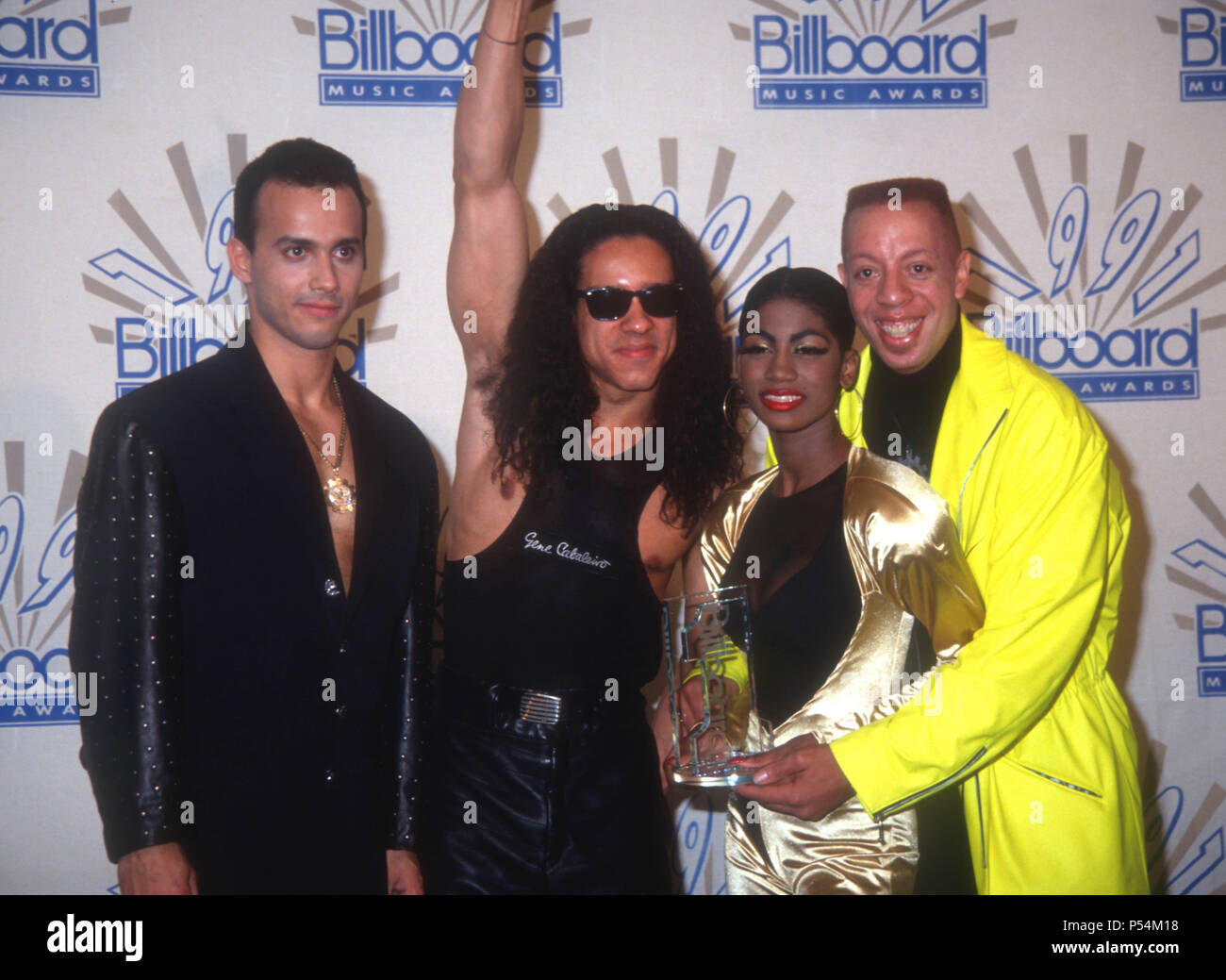
Simultaneously, the discourse has been punctuated by more vocal expressions of dissent. Freedom Williams, the vocalist known for his work with C + C Music Factory, has been particularly expressive regarding his dissatisfaction with how his involvement was characterized. These public rants serve as a stark reminder that in the era of social media, the control of a narrative—even one as seemingly straightforward as a concert lineup—is perpetually at risk of being dismantled by the very talent expected to perform.
The Complexity of Political Booking
The participation of artists like Vanilla Ice in high-profile political events often invites a mixture of public support and intense criticism. When an artist confirms their presence at a rally or a campaign-affiliated concert, they are essentially entering a sphere where their music is secondary to the political objectives of the host. This dynamic frequently leads to the “no” responses seen from other legacy acts, such as Morris Day, who have publicly declined invitations to participate in events they feel do not align with their professional or personal values.
From an economic and political strategy perspective, the “Freedom 250” concert is designed to generate momentum and media coverage. However, the logistical and reputational hurdles currently facing the organizers provide a case study in the risks of celebrity-driven political engagement. When the lineup is treated as a revolving door of confirmations and denials, the primary message of the event risks being overshadowed by the controversy of its curation.
Key Takeaways on the Current Situation
- Lineup Instability: The “Freedom 250” concert has experienced significant public withdrawals, highlighting the difficulty of securing talent for politically charged events.
- Public Clarifications: Several artists have taken to social media to explicitly deny their involvement, countering promotional claims that suggested otherwise.
- Brand Alignment: Performers are increasingly protective of their brand identity, leading to a more cautious approach toward political affiliations that might alienate segments of their global fanbase.
- Strategic Impact: The ongoing confusion serves as a distraction from the event’s intended goals, forcing campaign organizers to focus on damage control rather than the event’s messaging.
What Happens Next?
As of mid-2024, the situation remains fluid. The Republican National Convention is scheduled to take place in Milwaukee, Wisconsin, where organizers are expected to refine the details of their ancillary events, including the “Freedom 250” concert. For the public and the media, the next major checkpoint will be the release of a finalized, verified list of performers by the official convention committee or the campaign’s designated event coordinators.
Until an official press release confirms the permanent roster, the status of many legacy acts remains speculative. For those following this story, it is essential to look for updates directly from the official campaign communications office or major wire services, as the current environment is rife with misinformation and unverified social media claims. We will continue to monitor the situation as the date for the convention approaches and official itineraries are solidified. If you have insights or observations regarding the intersection of culture and campaign finance, we invite you to share them in the comments section below.
Keep reading