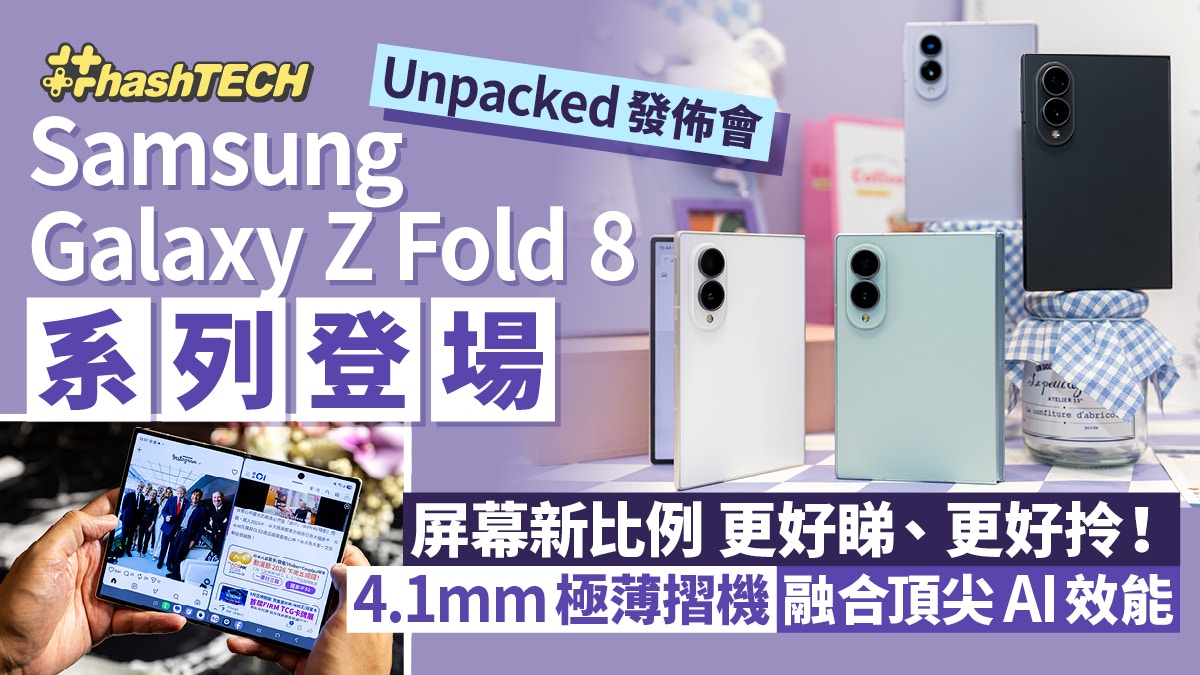
Samsung has officially expanded its foldable smartphone lineup with the launch of the Galaxy Z Fold 8 series, introducing hardware refinements aimed at addressing long-standing ergonomic criticisms of the “book-style” form factor. The latest iteration features a revised screen aspect ratio designed to provide a more conventional smartphone experience when folded, alongside a suite of artificial intelligence tools integrated directly into the operating system.
The new hardware arrives as Samsung seeks to maintain its market position in the premium foldable category, a sector that has seen increasing competition from international manufacturers. The Z Fold 8 series, which includes a standard model and the higher-specification Z Fold 8 Ultra, debuts alongside the updated Galaxy Z Flip 8. These devices mark a shift toward thinner chassis designs, a priority for the company as it attempts to improve the pocketability of its high-end devices.
Hardware Design and Display Changes
The most significant design change in the Galaxy Z Fold 8 series is the adjustment of the cover screen’s aspect ratio. Previous iterations of the Z Fold series were noted for a narrow, elongated exterior display, which some users found restrictive for standard typing and app navigation. The new series adopts a wider footprint, intended to mimic the feel of a standard flagship smartphone, according to early product briefings. By widening the cover screen, Samsung aims to improve usability for users who prefer not to unfold the device for every task.
The chassis has also undergone a reduction in thickness. These physical changes are designed to compete directly with increasingly slim foldable offerings from competitors in the Asian market.
AI Integration and Gemini Intelligence
Software performance is a central pillar of the Z Fold 8 launch, with the devices serving as the latest platforms for the company’s AI strategy. The series is the first in the foldable category to ship with native integration for Google’s Gemini intelligence platform. This includes the implementation of Gemini Nano 4, a localized model designed to handle complex processing tasks directly on the device without requiring an active internet connection for every query.

Market Positioning and Model Differences
Samsung has segmented the series to target different tiers of the premium market. The standard Galaxy Z Fold 8 is positioned as a general-purpose flagship, while the Z Fold 8 Ultra is marketed toward power users and enterprise professionals.
The Galaxy Z Flip 8 continues the company’s focus on the compact, “clamshell” design. This model remains the entry point for Samsung’s foldable ecosystem, prioritizing portability and lifestyle-focused features over the multi-tasking capabilities of the larger Fold series. Pricing for the new lineup varies by region, with the Hong Kong market receiving the devices in line with global release schedules. Consumers interested in the latest pricing and availability can consult official regional product pages or authorized retail partners for specific local configurations.
Future Updates
The transition to these new models marks a significant point in Samsung’s mobile roadmap. As the foldable market matures, the company faces pressure to demonstrate that these form factors offer tangible productivity advantages over traditional slab-style smartphones. Further technical specifications and long-term performance reviews are expected to follow as the devices reach mass-market retail outlets.
Updates regarding software patches, security enhancements, and extended features for the Gemini AI suite will be communicated through official Samsung mobile channels. Users are encouraged to monitor company announcements for upcoming system updates. Please share your thoughts on the new foldable design or join the ongoing discussion in the comments section below.
Keep reading