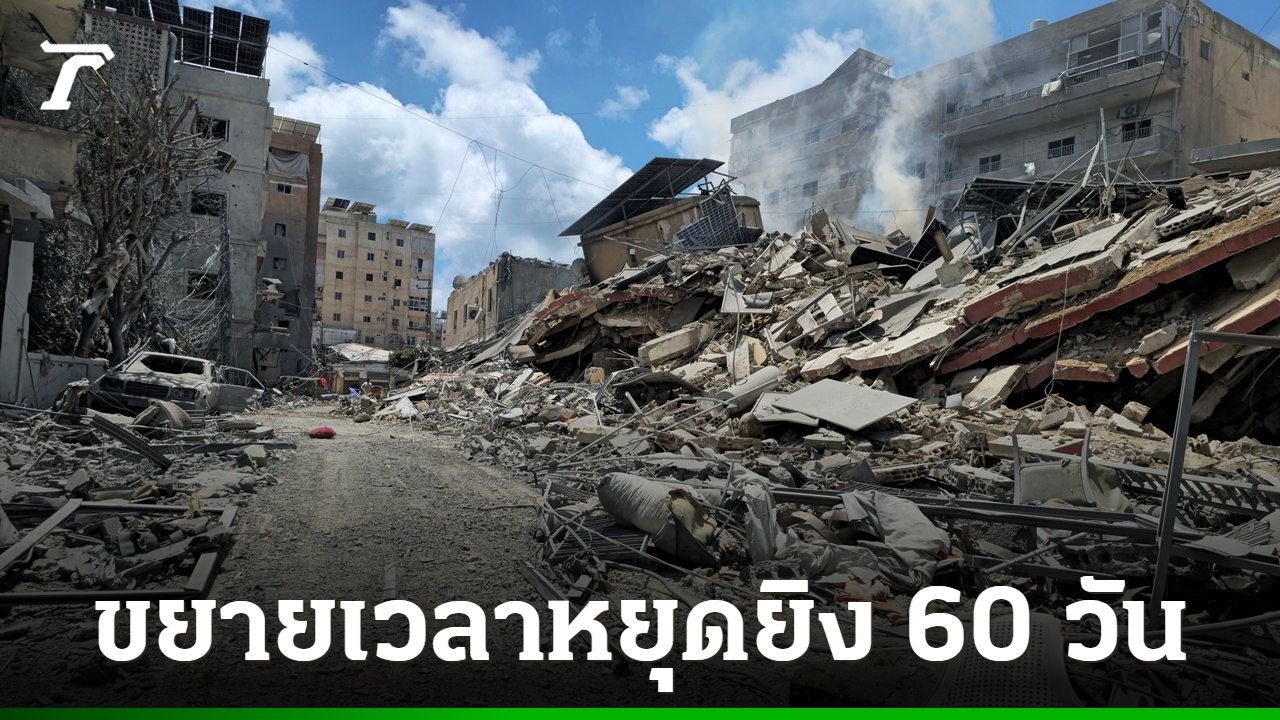
In the complex and often volatile landscape of Middle Eastern geopolitics, the maintenance of fragile stability remains a primary concern for international observers. Recent reports concerning the extension of a ceasefire agreement between Iran and the United States have surfaced, highlighting the ongoing, high-stakes diplomacy required to prevent regional escalation. As an editor covering global affairs, I have closely monitored the situation, where the interplay of maritime security and diplomatic backchannels continues to define the relationship between Tehran and Washington.
The core of this development centers on the reported agreement to extend a ceasefire for another 60 days. This duration is significant, as it provides a necessary window for de-escalation in a region where the Strait of Hormuz remains a critical chokepoint for global energy supplies. While the details of such agreements are often kept behind closed doors, the necessity of maintaining open communication lines between these two nations is undeniable, particularly given the historical context of their adversarial posture.
The Strategic Importance of the Strait of Hormuz
The Strait of Hormuz is not merely a geographic feature; We see a vital artery for the global economy. According to data from the U.S. Energy Information Administration, approximately 21 million barrels of oil per day passed through the strait in 2022, representing roughly 21% of global petroleum liquids consumption. Any disruption in this area, whether through military conflict or the implementation of unilateral transit fees, has immediate and profound consequences for global energy prices and supply chain stability.
Recent reports suggesting potential tensions regarding maritime transit fees have added a layer of complexity to the ongoing ceasefire negotiations. International law, specifically the United Nations Convention on the Law of the Sea (UNCLOS), governs the rights of transit passage through international straits. While Iran is a signatory to UNCLOS, it has not ratified the treaty, leading to ongoing legal and diplomatic disagreements regarding the interpretation of “transit passage” versus “innocent passage” in its territorial waters.
Navigating Diplomatic Fragility
The current situation is characterized by a “stop-start” pattern of engagement. Reports of renewed skirmishes or exchanges, even while a ceasefire is technically in place, underscore the reality that these agreements are often more aspirational than absolute. In my 14 years of reporting on international relations, I have observed that such arrangements are frequently the result of intense pressure from third-party intermediaries, such as Oman, which has historically served as a vital mediator between Washington and Tehran.

The accusation of ceasefire violations is a common feature of this geopolitical dance. Both sides frequently utilize public rhetoric to signal domestic strength while simultaneously engaging in private negotiations to prevent an uncontrollable slide into direct conflict. For the international community, the goal remains the preservation of the status quo until more comprehensive, long-term security frameworks can be established.
Key Takeaways for Global Observers
- Ceasefire Dynamics: The 60-day extension is a tactical move designed to prevent immediate escalation rather than a resolution of underlying grievances.
- Energy Security: Any volatility near the Strait of Hormuz directly impacts global oil markets, making this a matter of global economic interest, not just regional security.
- The Role of Intermediaries: Regional players like Oman remain indispensable in bridging the communication gap between the U.S. And Iran, especially when formal diplomatic channels are non-existent.
- Legal Ambiguity: The lack of universal consensus on maritime transit rights in the Strait continues to be a point of friction that can be exploited during periods of high tension.
What Happens Next?
Looking ahead, the international community will be watching for the next official statements from both the U.S. State Department and the Iranian Ministry of Foreign Affairs. With the 60-day clock now ticking, the focus shifts to whether these two nations can move beyond mere containment toward a more stable, albeit limited, understanding regarding regional conduct.

As we continue to track these developments, it is essential to rely on verified official statements rather than speculative reports. The situation remains fluid, and the risk of miscalculation by either party persists. I encourage our readers to stay informed through official government briefings and reports from established international news agencies. Please share your thoughts on the impact of these developments on global security in the comments section below.
Related reading