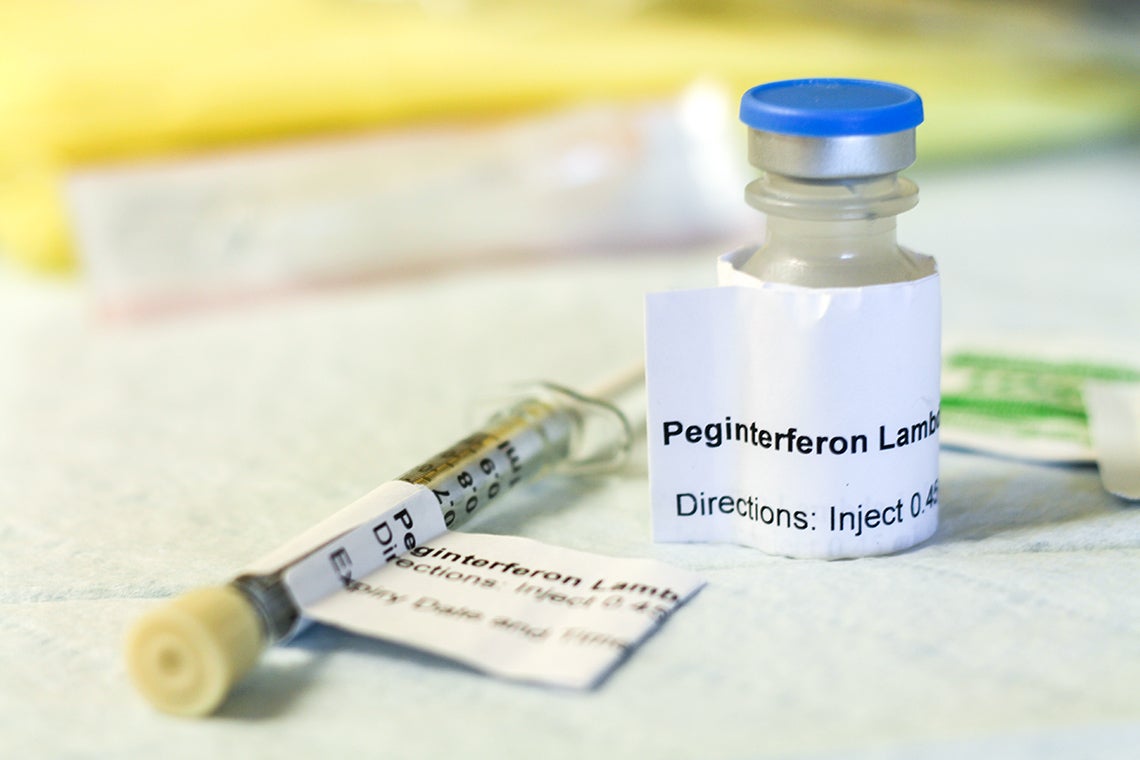
For more than four decades, the development and deployment of interferon—a protein produced by the body’s cells in response to pathogens—has remained a cornerstone of Cuban biotechnology. Since the early 1980s, the island nation has invested heavily in the research, production, and clinical application of this antiviral agent. As we examine the 45-year trajectory of Cuban interferon in medical practice, it is essential to distinguish between the historical development of these biological products and their evolving role in global health policy.
The history of Cuban interferon began in earnest in 1981, a period marked by a significant shift toward prioritizing domestic pharmaceutical independence. Researchers at the Center for Biological Research (CIB) were tasked with the rapid development of leukocyte interferon to address local health challenges, including an outbreak of dengue fever. This initiative laid the groundwork for the establishment of the Center for Genetic Engineering and Biotechnology (CIGB) in 1986, which consolidated the nation’s efforts in recombinant DNA technology and protein expression systems, according to records published in Nature Biotechnology regarding the growth of the Cuban biotech sector.
In the decades since, Cuban interferon (specifically Interferon Alfa-2b) has been utilized in the treatment of various viral infections and malignancies. While international medical communities recognize the importance of interferons in managing conditions like hepatitis B and C, or certain types of leukemia, the specific application of Cuban-manufactured products has been a subject of ongoing clinical study and international dialogue. Understanding the legacy of these 45 years requires an objective look at how the country transitioned from experimental laboratory research to a centralized, state-managed pharmaceutical industry.
The Evolution of Recombinant Technology in Cuba
The mid-1980s represented a pivotal era for medical innovation in Havana. By successfully producing recombinant Interferon Alfa-2b, Cuban scientists gained the ability to scale production for clinical use. This technological leap was not merely an academic exercise; it was integrated into the national healthcare system, which emphasizes primary care and preventative medicine. The CIGB, which officially opened in 1986, became the hub for these efforts, focusing on the development of vaccines and therapeutic proteins that could be deployed across the national territory, as detailed in reports by the Pan American Health Organization (PAHO) regarding the regional impact of Cuban biotechnological advancements.

Interferons function as signaling proteins, alerting the immune system to the presence of viruses or tumor cells. In clinical practice, their administration is carefully monitored due to potential side effects, which can include flu-like symptoms or more complex systemic reactions. Throughout the 1990s and into the 2000s, Cuban medical professionals incorporated these therapies into protocols for chronic viral infections, often utilizing them in conjunction with other antivirals to manage disease progression. This period solidified the role of interferon as a staple in the Cuban pharmaceutical portfolio, leading to its export to various international markets, particularly within Latin America and parts of Asia and Africa.
Clinical Applications and Global Health Context
When assessing the “legacy” of these 45 years, one must look at both the domestic clinical outcomes and the role the products played during global health emergencies. During the COVID-19 pandemic, for example, the use of Interferon Alfa-2b was widely discussed in international media. While the Cuban government included the drug in its national treatment protocols, the global medical community—including the World Health Organization (WHO)—emphasized that clinical evidence for the effectiveness of interferon in treating acute COVID-19 remained mixed. The WHO’s Solidarity Trial, which analyzed various treatments, noted that while some antivirals showed promise, the therapeutic window and patient selection for interferon were critical variables that required rigorous, randomized controlled trials, according to data provided by the World Health Organization.
This nuance is vital. Medical innovation is rarely a linear path of success; it is a series of iterative studies and evidence-based adjustments. The 45-year history of the Cuban program highlights the challenges of maintaining high-tech pharmaceutical production under economic constraints, as well as the resilience of a scientific community that has remained focused on biotechnology since the 1980s. The integration of these products into a public health system allows for a unique, albeit highly centralized, form of clinical observation and real-world data collection.
Future Directions in Biotechnology
As of 2024, the focus for the Cuban biotech sector has shifted toward the next generation of immunomodulators and the refinement of existing therapies. The legacy of the past 45 years is now being leveraged to develop new formulations that aim to improve patient tolerance and efficacy. This involves ongoing collaborations and the pursuit of international regulatory standards to ensure that the products meet the evolving requirements of global markets. For patients and healthcare providers, the availability of these treatments remains a subject of professional interest, particularly in regions where access to high-cost monoclonal antibodies or other advanced biologics may be limited.

The path forward involves continued investment in research and development, as well as a commitment to transparency in reporting clinical trial results. As the global landscape of medicine moves toward personalized care and precision oncology, the historical experience gained from interferon production provides a foundation upon which new therapeutic strategies can be built. Whether these products will remain central to future medical protocols will depend on the ability of the industry to modernize its manufacturing processes and align its clinical data with international standards of evidence-based medicine.
Key Takeaways for Healthcare Professionals
- Historical Context: The Cuban interferon program originated in 1981, leading to the establishment of the CIGB in 1986.
- Clinical Use: Interferon Alfa-2b has been utilized in Cuba for decades, primarily for viral infections and specific oncological conditions.
- Evidence Standards: While locally integrated into national protocols, the global scientific community continues to evaluate interferon’s efficacy through randomized controlled trials.
- Future Outlook: The focus is shifting toward newer immunomodulators and adhering to international regulatory benchmarks for pharmaceutical exports.
For those interested in the latest clinical developments and official updates regarding Cuban medical biotechnology, the BioCubaFarma official portal remains the primary source for institutional information and technical documentation. As we look ahead, the scientific community awaits further peer-reviewed publications that will clarify the long-term outcomes of these 45 years of clinical practice. We encourage our readers to share their thoughts on the role of specialized regional biotechnology in the broader context of global health equity in the comments below.
- Health and Wellness Forum for Plus-Size and Curvy Individuals | rubensfan.de
- New Tobacco DNA Signature Linked to Kidney, Pancreas, and Prostate Cancers
- Indianapolis Native Brings 35 Years of Experience to New Role (news-usa.today)
- Croq’Vacances Data Breach: 24GB of Sensitive Medical and Personal Data Leaked (archynewsy.com)