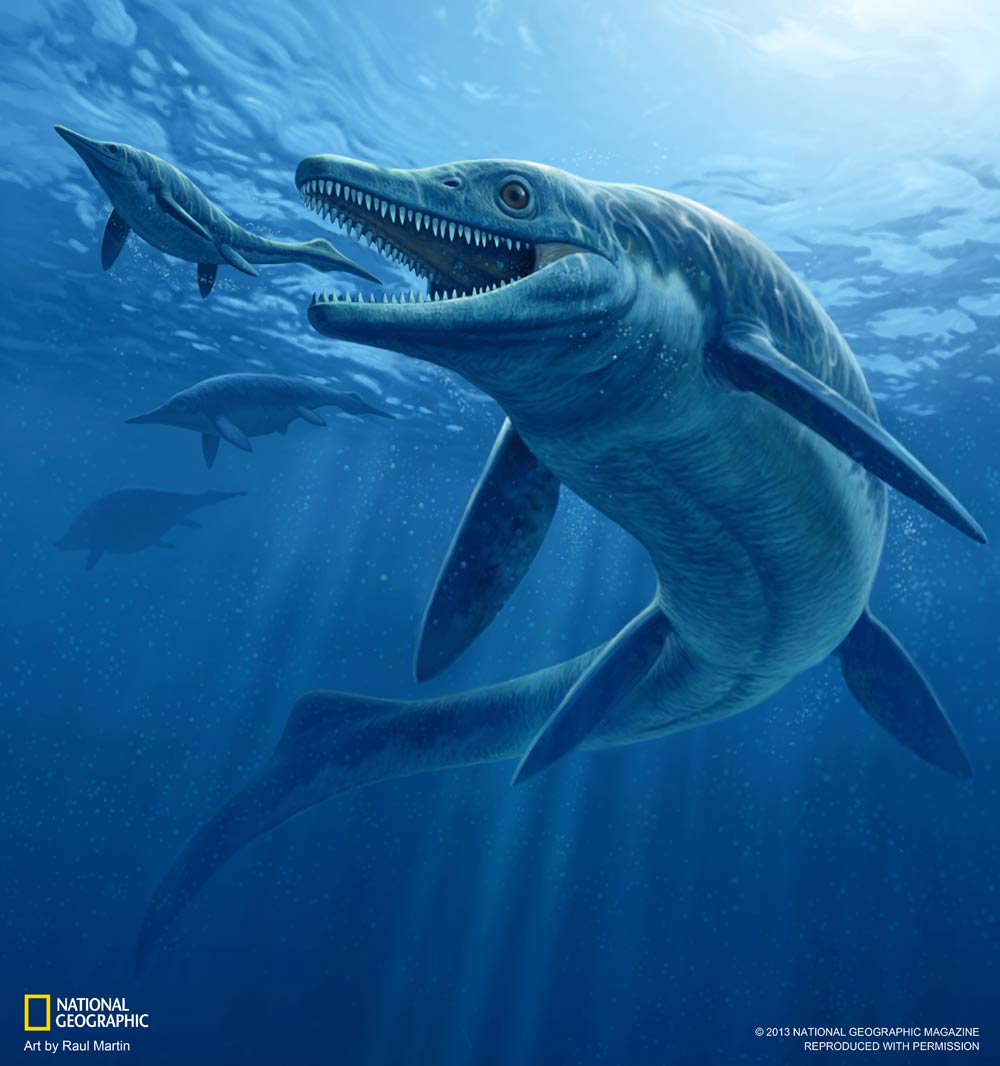
In the vast, shifting landscape of evolutionary biology, few discoveries capture the public imagination quite like the revelation of a new apex predator. Paleontologists have recently unveiled findings regarding a formidable marine reptile that has quickly earned the moniker of the “T-Rex of the sea.” This discovery, centered on the species Thalassotitan atrox, provides a startling glimpse into the Late Cretaceous period, a time when the oceans were dominated by massive, predatory mosasaurs.
As we delve into the mechanics of this apex predator, it becomes clear that Thalassotitan was not merely a scavenger or a passive filter feeder. Its anatomy suggests a specialized evolutionary path that prioritized sheer force and the ability to consume other large marine vertebrates. For those of us tracking the evolution of marine ecosystems, this finding represents a significant shift in our understanding of how these prehistoric reptilian giants occupied the food chain approximately 66 million years ago, according to research published in Cretaceous Research and related studies on mosasaur evolution.
Anatomy of an Apex Predator
The term “T-Rex of the sea” is often used colloquially, but in the case of Thalassotitan atrox, the comparison to the terrestrial Tyrannosaurus rex is rooted in its dental and cranial morphology. Unlike many of its contemporaries, which evolved slender, needle-like teeth designed to snatch slippery fish, Thalassotitan possessed massive, conical teeth that were built to withstand the immense stress of crushing bone and tearing through thick hide.

Analysis of the skull suggests a jaw structure capable of delivering a devastating bite force. Researchers note that the wear patterns on the teeth—often cracked, broken, or heavily ground down—serve as a “smoking gun” for its diet. These injuries were likely sustained while attacking other marine reptiles, including sea turtles, plesiosaurs and even smaller members of the mosasaur family. This behavior indicates an ecological role as a “macropredator,” a creature that sits at the very top of the food web, much like modern-day orcas or great white sharks, as detailed by the University of Bath’s analysis of the Moroccan fossils.
The Moroccan Fossil Record
The fossils were unearthed in the phosphate basins of Morocco, a region globally recognized as a treasure trove for Late Cretaceous marine life. The preservation of these specimens allows paleontologists to reconstruct not just the animal, but the environment in which it thrived. During the Maastrichtian age—the final stage of the Cretaceous—the Tethys Sea was a warm, productive environment teeming with life, providing the necessary caloric abundance to support predators of such gargantuan proportions.

The discovery of Thalassotitan underscores the biodiversity of the region. Findings indicate that as the climate shifted and ecosystems fluctuated, specialized predators emerged to exploit specific niches. The excavation sites in Morocco have yielded a high density of fossils, providing researchers with a robust dataset to compare Thalassotitan with other mosasaurs like Mosasaurus hoffmannii. The evidence suggests that while other mosasaurs were busy diversifying into various roles, Thalassotitan took the path of the ultimate carnivore, evolving to become the primary threat in its domain, as noted in reports by the Natural History Museum in London.
Why This Discovery Matters for Evolutionary Science
Why is this “T-Rex of the sea” so important for our modern understanding of technology and biology? In my work as a tech editor, I often look at how we use computational modeling to reconstruct ancient life. The study of Thalassotitan utilizes advanced 3D scanning and finite element analysis (FEA)—the same tools engineers use to test the structural integrity of new hardware—to simulate bite forces and biomechanical stress. By applying these engineering principles to paleontological data, scientists can verify theories about how these creatures hunted without ever seeing them in action.
This intersection of paleontology and high-fidelity digital modeling is a testament to how far our research capabilities have come. We are no longer just looking at bones; we are building dynamic, digital twins of extinct organisms. This allows us to observe the “software” of evolution—the genetic and behavioral adaptations—in action. It reminds us that nature has been solving complex engineering problems, such as energy efficiency and structural load-bearing, for millions of years before humans ever picked up a tool.
Key Takeaways on Thalassotitan atrox
- Classification: A genus of giant mosasaur, a group of marine reptiles that were the dominant predators of the Late Cretaceous oceans.
- Dietary Specialization: Unlike other mosasaurs, it was a macropredator, specializing in hunting other large marine vertebrates.
- Dental Evidence: Its teeth show significant wear and breakage, consistent with biting through the armor of sea turtles and the bones of other marine reptiles.
- Geographic Context: Discovered in the phosphate deposits of Morocco, which serve as a critical site for understanding the end-Cretaceous extinction event.
Looking Ahead: The Future of Paleontological Research
As we continue to analyze the remains of Thalassotitan atrox, the focus shifts toward understanding its extinction. The fossil record in Morocco is unique because it captures the period leading up to the K-Pg extinction event—the asteroid impact that brought the age of the dinosaurs to a close. By studying the health and population density of apex predators like Thalassotitan in the final million years of the Cretaceous, scientists hope to determine if these ecosystems were already in decline or if they were thriving right up until the moment of the impact.

The next steps for the research team involve further comparative studies of the skull and post-cranial skeleton to refine our estimates of its total length and mass. We anticipate further publications in peer-reviewed journals as the laboratory analysis of the Moroccan samples continues throughout the coming year. For those interested in the latest updates, the Paleontological Association remains the primary venue for official findings and upcoming symposiums regarding these marine giants.
What do you think about the convergence of ancient biology and modern tech-driven analysis? Does the idea of a “T-Rex of the sea” change how you view our oceans today? Join the conversation below and share your thoughts on how these prehistoric discoveries influence our perspective on the future of our own planet.