As a physician who has spent over a decade navigating the complexities of internal medicine and medical research, I often find that the most profound insights into human health lie not in the brain alone, but in the intricate, often overlooked ecosystem of the human gut. Recent scientific advancements are now reinforcing the concept of the “gut-brain axis,” specifically regarding how the microscopic residents of our digestive tract may serve as early biological harbingers of neurodegenerative conditions.
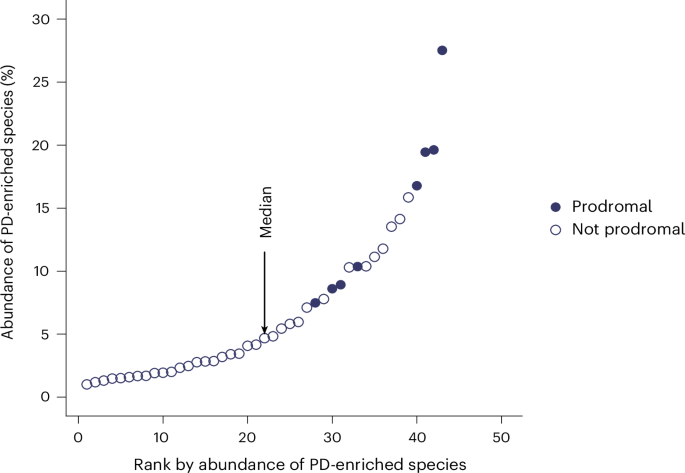
New research into gut microbiome screens for Parkinson’s disease is beginning to suggest that we may soon be able to identify individuals at risk years before the classic motor symptoms—such as tremors, rigidity, or bradykinesia—ever manifest. By analyzing the composition of the gut microbiota, clinicians and researchers are observing distinct, coherent patterns that shift from healthy individuals to those with genetic predispositions and finally to patients already living with a formal diagnosis of Parkinson’s disease.
This shift in our understanding of disease progression is significant. According to the Parkinson’s Foundation, Parkinson’s disease currently affects nearly 1 million people in the United States, a figure projected to rise to 1.2 million by 2030. Identifying these shifts in the microbiome could eventually provide a non-invasive window into the earliest stages of neurodegeneration, offering a potential opportunity for early intervention long before the central nervous system sustains widespread damage.
The Microbiome as a Diagnostic Frontier
The gut microbiome is a complex community of trillions of bacteria, viruses, and fungi that play a pivotal role in regulating immune function, metabolism, and even neurological health. For years, the medical community has recognized that individuals with Parkinson’s frequently suffer from gastrointestinal issues, such as chronic constipation, often occurring years before a diagnosis. This phenomenon has led many researchers to hypothesize that the pathology of the disease may actually begin in the enteric nervous system of the gut.
The latest data suggests that there is a range of microbiome alterations—often referred to as dysbiosis—that can distinguish between these three distinct stages of risk. By using advanced genomic sequencing, researchers are mapping these microbial signatures to see how they deviate from a “healthy” baseline. This is not merely an association; it is a potential biomarker. However, it is essential to emphasize that while these findings are promising, they remain part of ongoing clinical investigation. You can find more information on current clinical research trials through the U.S. National Library of Medicine, which serves as a database for ongoing studies globally.
Dietary Influence and Neuroprotection
Perhaps the most actionable takeaway from this research is the role of nutrition. The data indicates that a healthy, balanced diet is inversely associated with the specific microbial alterations linked to Parkinson’s risk. This suggests that the composition of our gut flora is not entirely fixed; it is a dynamic landscape that we can influence through consistent dietary choices.
While a “healthy diet” is a broad term, in the context of gut health, it generally refers to a Mediterranean-style regimen—rich in fiber, fermented foods, polyphenols, and diverse plant-based nutrients. Fiber, in particular, acts as a prebiotic, fueling the production of short-chain fatty acids (SCFAs) like butyrate, which are crucial for maintaining the integrity of the gut lining and reducing systemic inflammation. The World Health Organization maintains that a healthy diet throughout the life course helps to prevent malnutrition in all its forms as well as a range of noncommunicable diseases.
Understanding the Gut-Brain Axis
Why does the gut matter for a brain disorder? The vagus nerve serves as a direct highway of communication between the enteric nervous system and the brain. There is a growing body of evidence suggesting that misfolded proteins, such as alpha-synuclein—a hallmark of Parkinson’s pathology—may originate in the gut and travel via the vagus nerve to the brain. If we can monitor the health of the gut microbiome, we may effectively be monitoring the “upstream” environment that influences the health of the brain “downstream.”
What This Means for Future Clinical Practice
If these screening methods are validated in larger, longitudinal cohorts, the implications for clinical practice are profound. Currently, Parkinson’s is diagnosed primarily through clinical observation of motor symptoms. By the time a patient presents with these symptoms, a significant percentage of dopaminergic neurons in the substantia nigra have already been lost. Early detection through a stool sample or other non-invasive microbiome screen could transition medicine from a reactive model to a proactive, preventive one.
However, we must remain cautious. As with any emerging biomarker, the transition from laboratory research to a standard clinical test requires rigorous validation across diverse populations, ages, and geographical regions. A screening tool is only as good as its ability to be replicated consistently in real-world clinical settings.
Key Takeaways for Patients and Families
- Early Detection Potential: Gut microbiome profiling may eventually serve as a tool to identify individuals at risk of Parkinson’s years before motor symptoms appear.
- The Power of Diet: Consuming a diet high in fiber and diverse plant-based foods appears to be inversely associated with the microbial changes linked to disease risk.
- Ongoing Research: While findings are encouraging, this remains an area of active investigation, and there is currently no standardized “microbiome test” for Parkinson’s in clinical practice.
- Consult Your Physician: If you are concerned about Parkinson’s disease or gastrointestinal health, consult a neurologist or gastroenterologist rather than relying on direct-to-consumer microbiome kits, which often lack clinical validation for specific disease diagnosis.
Looking Ahead
The next major checkpoint for this field will be the publication of larger-scale longitudinal studies that track these microbiome shifts over time to determine their predictive value with greater precision. As we wait for these results, the best advice remains rooted in the basics: focus on gut health, engage in regular physical activity, and maintain open communication with your healthcare provider regarding any persistent changes in your health.

What are your thoughts on the intersection of gut health and neurology? Are you interested in seeing more coverage on the gut-brain axis? Please share your comments below and help us foster a more informed community.