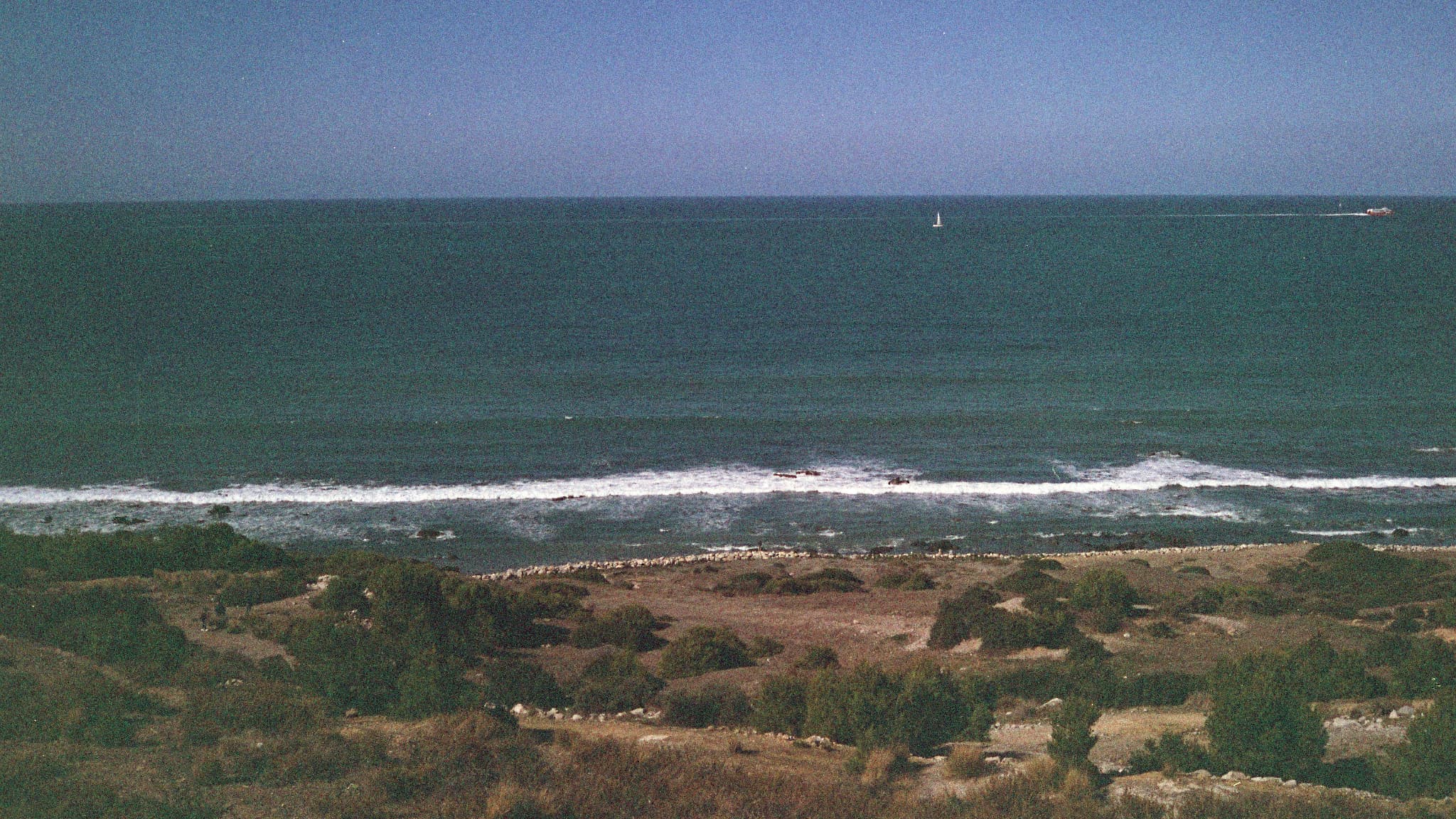
A maritime search-and-rescue operation in Morocco concluded with the safe recovery of two French nationals who had been reported missing at sea. The incident, which prompted a coordinated response from local authorities, highlights the inherent risks associated with coastal exploration in the region, particularly when individuals are caught off guard by rapid tidal shifts.
The situation involving the two French nationals missing at sea in Morocco has been resolved, with official reports confirming that both individuals were located and are safe. The rescue effort involved local maritime and emergency services, who were alerted to the disappearance after the individuals failed to return from their time near the coastline. While the circumstances of their disappearance initially sparked significant concern among local communities and international observers, the successful conclusion of the search marks a relief for the families involved.
Understanding Coastal Risks and Maritime Safety
Coastal areas, particularly those with complex rock formations and strong currents, present unique challenges for tourists and residents alike. In many parts of the Moroccan coast, tides can change with remarkable speed, turning seemingly accessible rock platforms into hazardous areas within minutes. According to reports concerning maritime incidents in the region, the transition from low to high tide can be deceptive, often leaving individuals stranded or cut off from the shoreline before they are aware of the shifting water levels.
Safety experts consistently emphasize that coastal environments require constant vigilance. For international travelers, the lack of localized knowledge regarding specific beach topography can increase the risk of accidents. When visiting unfamiliar coastal regions, it is advised that tourists consult local signage, check tide tables, and remain aware of weather forecasts that might influence sea conditions. The Moroccan National Tourism Office provides general guidance for travelers, emphasizing the importance of adhering to local safety protocols when engaging in water-based activities or exploring rocky outcrops.
The Role of Emergency Response Teams
The successful outcome of this search underscores the effectiveness of Morocco’s emergency response infrastructure. When a distress call is received regarding missing persons at sea, local authorities—including the Royal Gendarmerie and specialized maritime rescue units—coordinate to establish search perimeters based on current patterns, wind direction, and the time elapsed since the last confirmed sighting. This multi-agency approach is critical in environments where the ocean’s volatility can complicate recovery efforts.
In cases involving foreign nationals, the coordination often extends to diplomatic channels, ensuring that the relevant consulates are kept informed of the search progress. For those traveling abroad, it is always recommended to register with their respective embassy’s travel portal, such as the French Ministry for Europe and Foreign Affairs’ “Ariane” service, which allows authorities to contact citizens in the event of an emergency in their host country.
Key Safety Takeaways for Coastal Travel
- Monitor Tide Tables: Always verify the tide schedule for the specific beach you intend to visit. Tides can shift rapidly, particularly in areas with narrow or rocky passages.
- Observe Local Signage: Pay close attention to flags and warning signs posted by lifeguards or municipal authorities. These are designed to communicate current hazards specific to that location.
- Maintain Communication: Ensure that someone at your accommodation or back home is aware of your plans, including your expected time of return.
- Respect Environmental Warnings: If a beach is marked as restricted or if local residents advise against accessing certain rocky areas, it is vital to respect these warnings, as they are often based on historical data regarding sea conditions.
As the individuals involved in this incident recover, the focus remains on the importance of public awareness regarding coastal safety. While this particular event concluded with a positive outcome, it serves as a reminder that the ocean requires respect and careful preparation. For those planning future travel to Morocco or other coastal destinations, staying informed through official government travel advisories is the most effective way to ensure a safe and enjoyable trip.
We welcome your thoughts on this matter. If you have experienced similar challenges or have insights into maritime safety, please feel free to share them in the comments section below. Your experiences help foster a better-informed community for all travelers.
Related reading