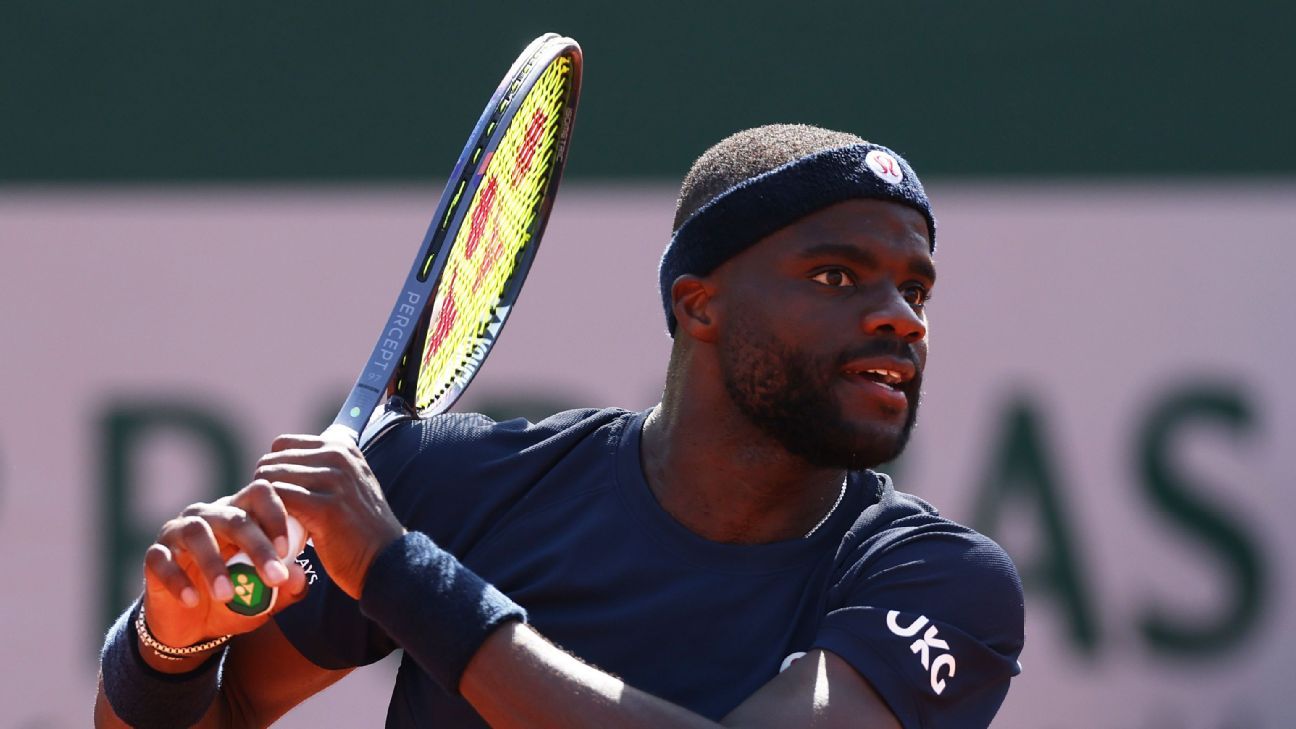
The intensity of the French Open often produces moments of raw emotion, but few are as unusual as the recent turn of events involving American tennis star Frances Tiafoe. Following a hard-fought victory on the Parisian clay, the atmosphere surrounding Court 14 became a scene of chaotic celebration that ultimately led to the temporary loss of one of the most critical tools in a professional athlete’s arsenal: his tennis racket.
As fans swarmed to acknowledge the win, the high-energy environment resulted in the racket being taken from the court. What could have been a permanent loss for the athlete instead became a brief social media plea, as Tiafoe took to his official Instagram account to request the return of his equipment. The incident serves as a stark reminder of the unique, often unpredictable proximity between professional athletes and their supporters during the French Open, an event held annually at the Stade Roland-Garros in Paris, France (Official Roland-Garros Website).
The Social Media Appeal
Professional tennis players typically treat their rackets as extensions of their own bodies, with custom-weighted frames and specific string tensions tailored to their exact playing style. When Tiafoe realized his racket was missing during the post-match festivities, he utilized his digital platform to reach out directly to the fan who had inadvertently—or intentionally—walked away with the gear. The request was direct and centered on the necessity of the equipment for his upcoming matches in the tournament.
The incident highlights the modern intersection of sports, fan engagement, and digital communication. Athletes today have the ability to bypass traditional media channels to address issues directly with their audience. In this instance, the appeal was successful, as the racket was subsequently returned to the athlete. This rapid resolution allowed Tiafoe to refocus on his campaign at the Grand Slam, where the stakes remain high for every competitor vying for the title on the iconic red clay.
The Stakes of the French Open
The French Open, or Roland-Garros, is one of the four major Grand Slam tournaments and is widely considered the most physically demanding due to the properties of the clay surface. Players must navigate long rallies, slower ball speeds, and the unpredictable nature of the surface, which requires significant mental fortitude. For a player like Tiafoe, maintaining consistency in equipment—down to the specific grip and string tension—is paramount to success.

The recovery of the racket was not merely a sentimental victory but a practical requirement for the tournament. In the context of a Grand Slam, where matches are scheduled in rapid succession, any disruption to a player’s preparation or equipment can have significant consequences. The incident at Court 14 underscores the pressure athletes face when the boundary between the “field of play” and the spectator area begins to blur following a high-stakes victory.
Fan Engagement and Sportsmanship
While the enthusiasm of the crowd is a hallmark of the French Open, the “double fault” of losing a racket during a celebratory moment highlights the challenges of maintaining professional boundaries. Most professional tours have strict protocols regarding the interaction between players and spectators to ensure the safety of both parties and the integrity of the match environment. The French Tennis Federation (FFT) manages these protocols to facilitate a safe and engaging experience for thousands of spectators who attend the event each year (French Tennis Federation).
For the fans, the opportunity to see world-class athletes up close is a major draw of the tournament. However, the return of the racket serves as a positive conclusion to a potentially volatile situation, highlighting the importance of mutual respect between the stars of the game and those who support them from the stands. As the tournament progresses toward its final stages, the focus will undoubtedly shift back to the tactical battles on court.
Looking Ahead
As the French Open continues, fans and analysts alike will be watching to see how Tiafoe performs in his upcoming rounds. The tournament schedule is subject to change based on weather conditions and match durations, with the final brackets determined by the official tournament progression. For the latest updates on match schedules, player statistics, and official tournament news, spectators are encouraged to monitor the official Roland-Garros portal.

We invite our readers to share their thoughts on the balance between fan accessibility and athlete security in professional sports. Does the increased connectivity provided by social media help or hinder the professional environment at major tournaments? Leave your comments below and join the conversation as we track the remaining rounds of the French Open.
Worth a look