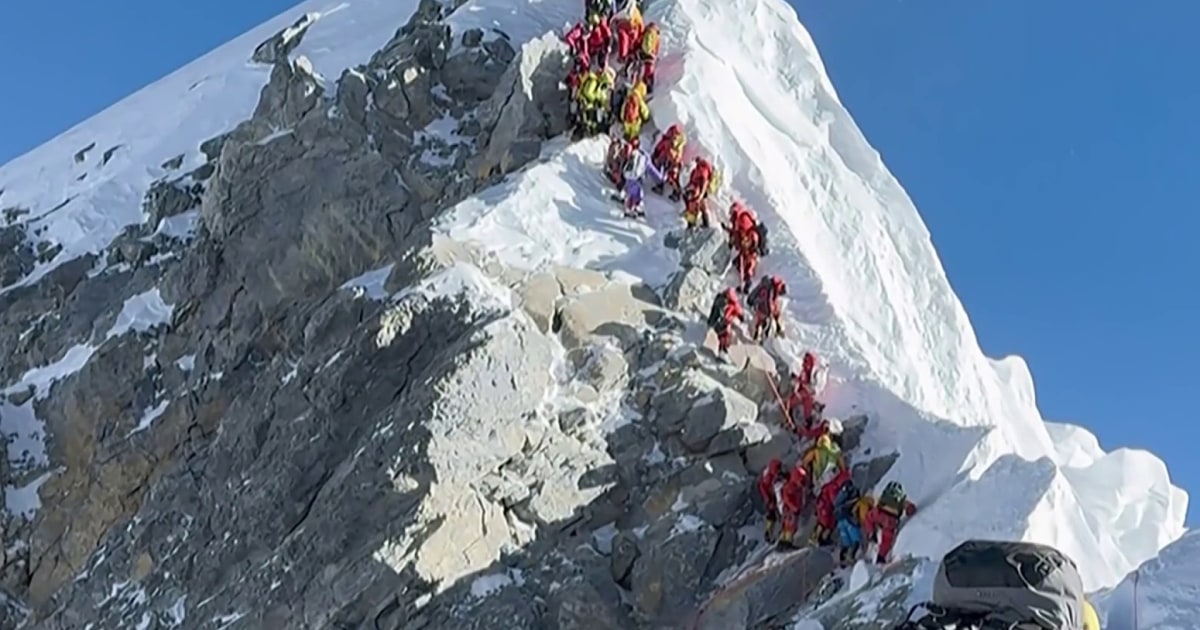
The spring climbing season on Mount Everest has once again brought the world’s highest peak into sharp focus, as hundreds of mountaineers push toward the summit. This year, the mountain has witnessed a significant surge in activity, with climbers from across the globe navigating the treacherous Khumbu Icefall and the notorious “Death Zone” to reach the 8,848.86-meter peak. While the allure of the summit remains a pinnacle achievement for adventurers, the sheer volume of individuals attempting the climb has sparked a robust international conversation regarding the ethics of high-altitude tourism, safety protocols and the environmental impact of such a massive influx of people.
As an international journalist who has followed the evolution of extreme sports, I find that the current trends in high-altitude mountaineering reflect a broader shift in how we interact with the world’s most fragile and dangerous environments. The pursuit of the summit, once the exclusive domain of elite professional alpinists, has increasingly transitioned into a commercial enterprise. This shift, while opening doors for many, has created unprecedented logistical challenges for local authorities and guides tasked with managing the safety of hundreds of climbers simultaneously.
The Challenges of Peak Season Logistics
Managing the safety of hundreds of climbers on a mountain where conditions can shift in minutes is a feat of extreme logistical coordination. The Nepal Department of Tourism, which oversees the permit process for Everest, has faced ongoing scrutiny regarding the number of climbing permits issued annually. According to official reports from the Department of Tourism, the government maintains a rigorous process for vetting expedition agencies, yet the physical capacity of the mountain’s fixed routes—specifically the narrow paths leading to the South Col—remains a bottleneck that cannot be expanded.

When too many climbers attempt to summit within the narrow weather windows provided by the pre-monsoon season, the risk of congestion becomes a life-threatening reality. The term “traffic jam” on Everest has become a common descriptor in recent years, referring to the long, stationary lines of climbers waiting to traverse exposed sections of the mountain. These delays mean that individuals are exposed to thin air and sub-zero temperatures for much longer than their supplemental oxygen supplies are designed to accommodate.
Environmental and Safety Concerns
Beyond the immediate risk to human life, the environmental footprint of Everest’s busy season is an issue of growing concern. The United Nations Environment Programme has frequently highlighted the challenges of waste management in high-altitude regions. Expeditions are now required to manage their own waste, including human waste and discarded climbing gear, but the sheer scale of the operation makes enforcement difficult. The presence of abandoned oxygen bottles, tents, and other debris serves as a stark reminder of the environmental cost of commercial mountaineering.
Safety, however, remains the primary concern for both the climbing community and the families of those on the mountain. The reliance on commercial guides is not a guarantee of success or survival. Climbers must possess a high level of physical conditioning and technical skill, even when supported by the most experienced Sherpa teams. The Himalayan Database, which maintains the most comprehensive records of expeditions in the region, continues to document the correlation between weather conditions, climber experience, and the success rates of these massive seasonal expeditions.
What Lies Ahead for Everest
As we look toward the future of mountaineering, the question of whether to limit the number of climbers remains a point of intense debate. Some argue that the mountain should be treated as a protected wilderness area with strict quotas, while others believe that the economic contribution of the climbing industry is vital for the local economy in Nepal. The balance between sustainable tourism and the preservation of the peak is a delicate one.

For those interested in the latest official updates regarding climbing regulations and safety advisories, the Nepal Mountaineering Association provides periodic guidance for prospective climbers and expedition leaders. These guidelines are essential for anyone considering a journey to the top of the world. As the season progresses, the global community will be watching closely to see how officials manage the ongoing influx and what measures might be implemented in the coming years to ensure that Mount Everest remains a place of awe rather than a site of preventable tragedy.
We welcome your perspectives on this complex issue. Does the commercialization of the world’s tallest peaks undermine their prestige, or is it a natural evolution of adventure travel? Please share your thoughts in the comments section below, and stay tuned to our World section for further updates as the spring climbing window concludes.
Worth a look