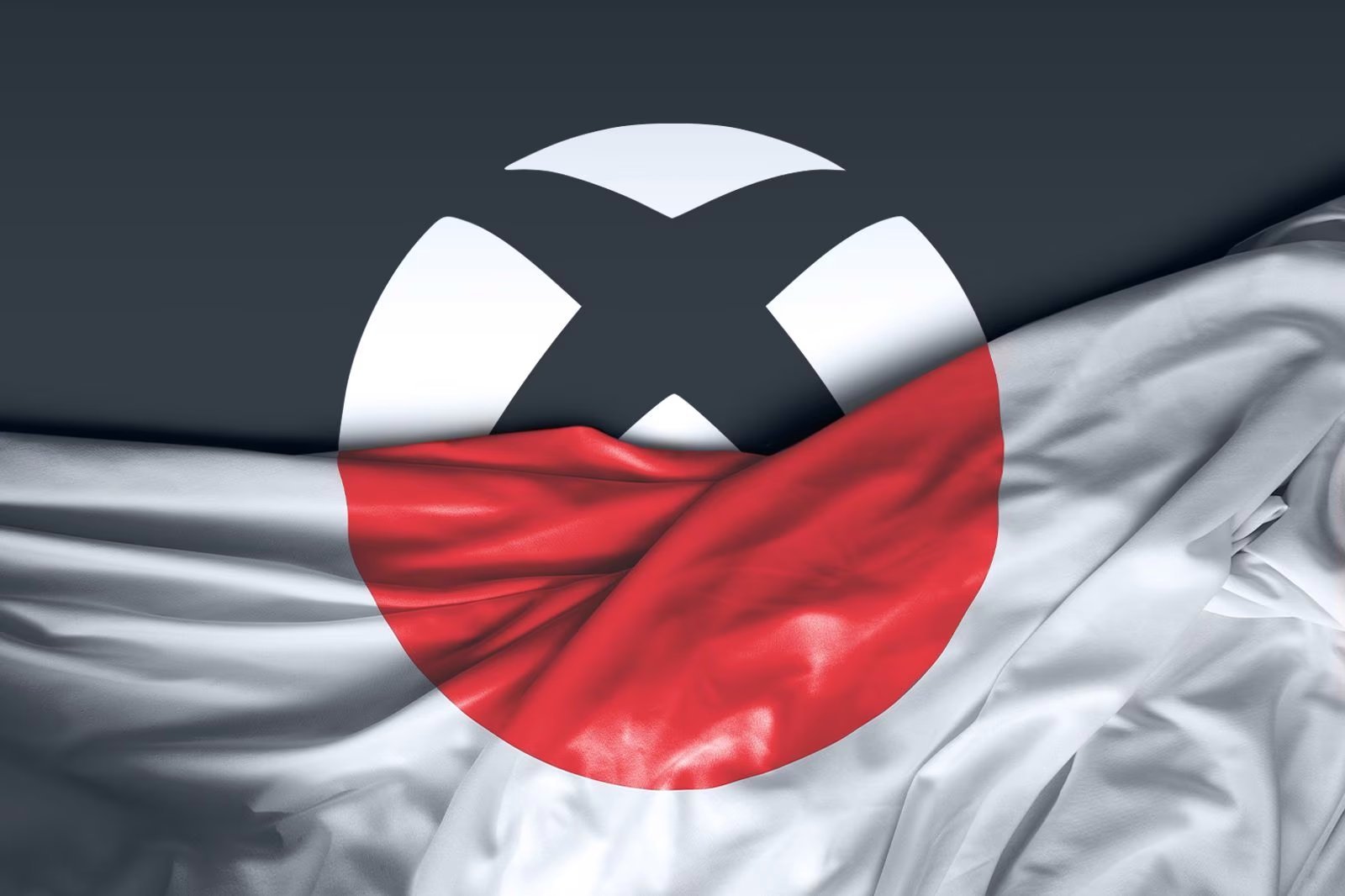
The gaming landscape in Japan has long been dominated by domestic titans like Nintendo and Sony, creating a notoriously difficult environment for international hardware manufacturers. However, recent market data indicates a notable shift in the console hierarchy. Microsoft’s Xbox Series X and Series S have officially surpassed 700,000 units in cumulative sales within the Japanese market, marking a significant milestone for the brand in a region where it has historically struggled to gain a foothold.
This achievement, confirmed by long-standing industry tracking reports from Famitsu, highlights a unhurried but steady expansion for the Xbox ecosystem. While these figures remain modest compared to the millions of units sold by competitors, the trajectory suggests that Microsoft’s strategy—heavily centered on the value proposition of Xbox Game Pass and the accessibility of the entry-level Series S—is finding a receptive audience among Japanese consumers. As a technology editor, I have watched this market closely; seeing the Xbox platform gain this level of traction provides a fascinating case study in how cloud gaming and subscription services can disrupt traditional hardware-focused markets.
According to the latest data provided by Famitsu, which tracks physical console sales across major Japanese retailers, the combined sales of the Series X and Series S consoles have officially cleared the 700,000-unit threshold. This milestone is particularly noteworthy given the historical context of the Xbox brand in Japan, where previous generations often faced steep challenges in consumer adoption. You can find the latest weekly hardware and software sales charts directly through the official Famitsu weekly sales report for real-time verification.
A Strategic Pivot: Why the Numbers Matter
To understand why this 700,000-unit mark is significant, we must look at the broader strategy Microsoft has deployed since 2020. Unlike in North America or Europe, where the “console war” is often defined by raw hardware power and exclusive AAA titles, the Japanese market has shifted toward portability and lifestyle integration. The Xbox Series S, with its compact form factor and lower price point, has played a pivotal role in this growth. By positioning the console as an affordable gateway to the Xbox Game Pass library, Microsoft has effectively lowered the barrier to entry for Japanese gamers who may already own a primary console from a domestic competitor.

The integration of cloud gaming services has further bolstered this performance. In a country where living spaces are often smaller and the convenience of mobile gaming is paramount, the ability to stream titles via Xbox Cloud Gaming—often without the need for high-end hardware—has transformed the brand from a “big box” outsider into a viable service-based alternative. This shift aligns with broader trends in digital transformation, where software-as-a-service (SaaS) models are increasingly influencing consumer electronics, a transition I have analyzed extensively during my tenure at World Today Journal.
Market Dynamics and Competitive Landscape
Japan remains a stronghold for Nintendo, whose Switch console continues to dominate the charts, and Sony’s PlayStation 5, which maintains a massive install base. For Microsoft, the goal in Japan has never been to “win” the console war in the traditional sense, but to carve out a sustainable niche. The 700,000-unit figure represents a dedicated segment of the population that values the unique library and the value-for-money proposition of the Xbox ecosystem.
It is also essential to consider the impact of supply chain stabilization. Following the global semiconductor shortages that hindered hardware availability through 2021 and 2022, the increased consistency in supply has allowed Xbox to meet demand more effectively. According to reports from Reuters regarding the broader tech supply chain, the stabilization of silicon production has been a critical factor for all console manufacturers in the last eighteen months, allowing for a more accurate reflection of consumer demand in regional markets.
Key Factors Driving Adoption
- Xbox Game Pass Value: The subscription model provides access to a vast library of titles, which is highly appealing in a market that is increasingly cost-conscious.
- Series S Accessibility: The lower price point makes it an ideal “secondary” console for Japanese players.
- Strategic Localization: Increased efforts to bring Japanese-developed titles to the Xbox platform have improved the brand’s perception among local gaming enthusiasts.
- Cloud Infrastructure: The expansion of Microsoft’s Azure-powered cloud services has made gaming more accessible to those without high-performance hardware.
What Comes Next for the Xbox Ecosystem
As we look toward the future, the question remains: can Microsoft sustain this momentum? The gaming industry is currently at a crossroads, with mobile, PC, and console lines blurring more than ever. Microsoft’s focus on “gaming everywhere” suggests that the hardware unit count, while a useful metric, is becoming secondary to the total number of active subscribers to their ecosystem.
The next major checkpoint for investors and analysts will be the upcoming quarterly earnings report from Microsoft, where the company typically breaks down the performance of its “Gaming” division. While regional breakdowns for Japan are rarely detailed in these global reports, the overall growth of the Game Pass service will serve as a proxy for the brand’s health in international markets. For those interested in tracking the financial health of the division, Microsoft publishes their quarterly financial results and investor webcasts on their official Investor Relations portal.
The journey to 700,000 units in Japan was not an overnight success; it was the result of a long-term commitment to patience and strategic adaptation. Whether this number grows to one million or beyond depends on how successfully Microsoft continues to cater to the specific tastes of the Japanese gaming community. One thing is clear: the Xbox brand is no longer just a visitor in Japan—it is a participant in the market.
What are your thoughts on the growth of the Xbox platform in Japan? Does the shift toward subscription-based services change how you choose your next console? I encourage you to share your insights in the comments section below, and be sure to subscribe to our newsletter for more deep dives into the global tech industry.