
The relationship between Novak Djokovic and the Parisian crowd at Roland-Garros has long been one of the most compelling, and occasionally volatile, narratives in professional tennis. As we look toward the upcoming clay court season and the broader implications for the 2026 tennis calendar, the dynamic between the record-breaking champion and the spectators at the Stade Roland-Garros remains a focal point for analysts and fans alike. The intersection of elite sportsmanship, national identity, and the unique atmosphere of the French Open continues to shape the discourse surrounding one of the greatest athletes to ever grace the red clay.
For over a decade, the Serbian tennis icon has navigated a complex rapport with the French public. While the Parisian crowd is known for its discerning and occasionally demanding nature, Djokovic’s tenure on the tour has been marked by moments of profound mutual respect interspersed with periods of high-tension friction. As the official Roland-Garros website notes, the tournament remains the pinnacle of the clay-court season, a stage where the intensity of the crowd is often cited as a decisive factor in match outcomes.
The Evolution of the Parisian Dynamic
Novak Djokovic’s history at the French Open is defined by persistence. After years of chasing the elusive Coupe des Mousquetaires, he secured his first title in 2016, eventually moving on to claim three total singles titles at the venue. Throughout these campaigns, the Parisian spectators—often protective of their local favorites or traditional tennis aesthetics—have challenged Djokovic, prompting responses from the player that range from charismatic engagement to intense, match-defining focus. This interplay is not unique to Djokovic. historically, players who exhibit such extreme levels of competitiveness often find themselves at the center of the crowd’s attention.
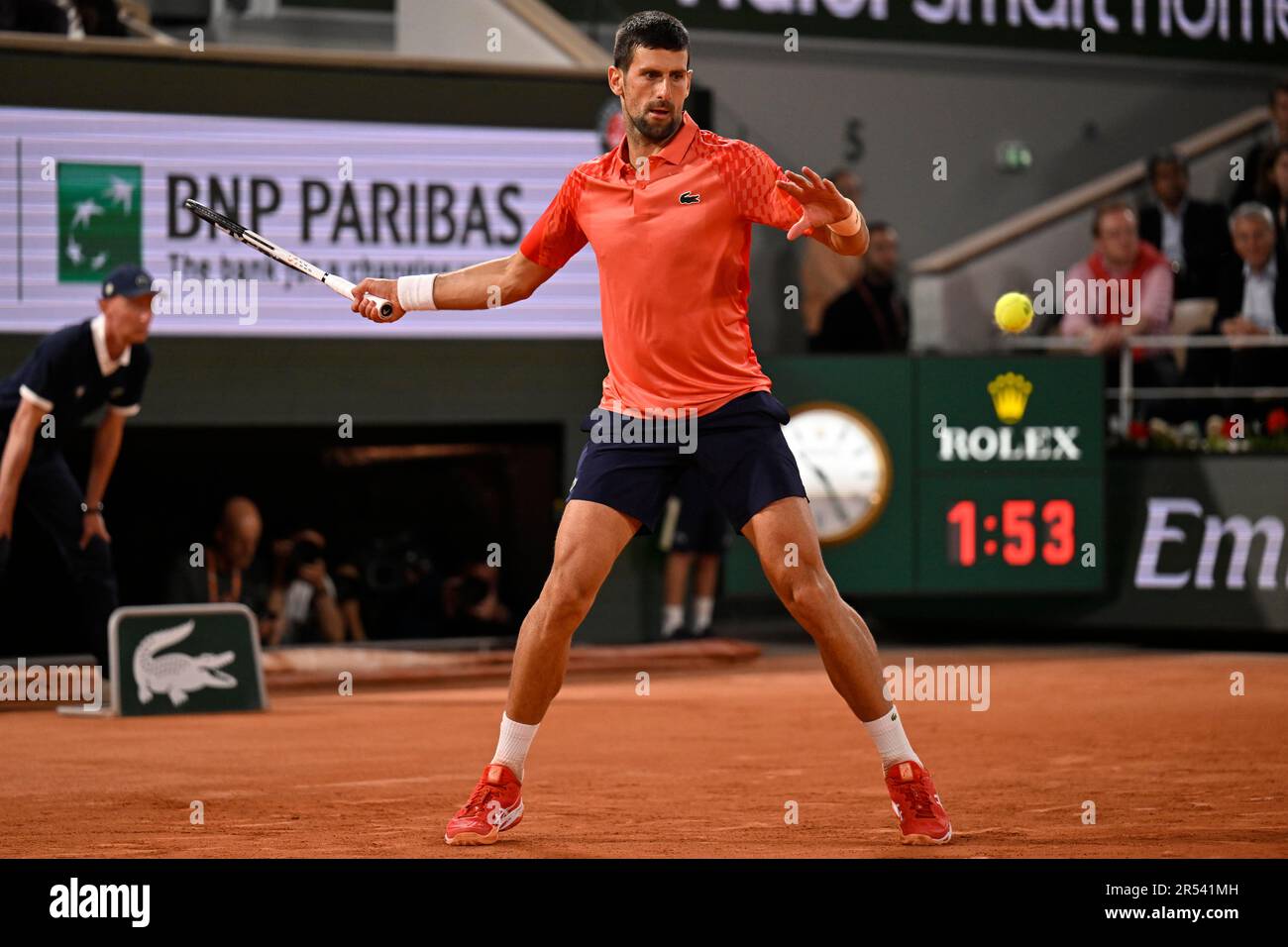
Understanding this dynamic requires an analysis of the broader tennis landscape. According to data provided by the ATP Tour, Djokovic holds the record for the most weeks at world number one, a testament to his longevity and dominance across all surfaces. However, the unique surface of Roland-Garros, which demands extreme physical endurance and mental fortitude, often amplifies the pressure felt by players. The crowd, sensing this tension, often reacts in ways that can either galvanize a player or serve as an additional obstacle to overcome.
Looking Toward the 2026 Season
As the tennis world anticipates the 2026 season, discussions regarding player participation and crowd reception are already surfacing. While specific entry lists and match-ups for the 2026 edition of the French Open have not yet been finalized, the anticipation surrounding top-tier athletes remains constant. The French Tennis Federation (FFT) continues to oversee the development of the stadium infrastructure and tournament policies, ensuring that the event maintains its status as one of the four prestigious Grand Slam tournaments.

The role of the public in these high-stakes matches cannot be understated. In recent years, tournament organizers have implemented stricter codes of conduct for spectators to ensure that the environment remains conducive to fair play. These measures are designed to balance the passionate support of the fans with the necessity of maintaining a professional environment for the athletes. The ongoing dialogue between tournament officials and the sporting community highlights a commitment to evolving the fan experience while preserving the traditions that define the sport.
Key Factors Influencing Crowd Reception
- Player Engagement: Djokovic’s ability to connect with the crowd during post-match interviews has often shifted the narrative from tension to appreciation.
- Match Context: The stakes of the match—whether it is an early-round encounter or a deep-tournament final—significantly influence the intensity of the audience.
- Cultural Nuance: The Parisian audience values technical mastery and fighting spirit, qualities that Djokovic consistently demonstrates on the court.
- Tournament Regulations: Ongoing updates from the International Tennis Federation regarding conduct and stadium decorum continue to shape the match-day environment for all participants.
The Legacy of Professionalism
Beyond the surface-level interactions in Paris, Novak Djokovic’s career is a study in professional resilience. His ability to perform at the highest level while navigating external pressures is a hallmark of his tenure in the sport. As the 2026 calendar approaches, the focus will likely remain on his pursuit of excellence and the historical milestones that continue to define his legacy. The relationship with the Parisian crowd, while occasionally turbulent, serves as a backdrop to a career that has fundamentally changed the landscape of modern tennis.

For fans and followers of the sport, staying informed through official channels is essential. The official tournament ticketing and information portal provides the most accurate updates regarding scheduling, player announcements, and tournament policies. As we look ahead, the interplay between the world’s best athletes and the most iconic venues in the sport will continue to be a defining element of the tennis narrative.
The next major milestone for the professional tour will be the announcement of the entry lists for the upcoming clay-court swing, typically released in the months leading up to the tournament. We invite our readers to share their thoughts on the evolution of fan-player dynamics in the comments section below. How do you view the role of the crowd in modern professional tennis, and what are your expectations for the upcoming season?