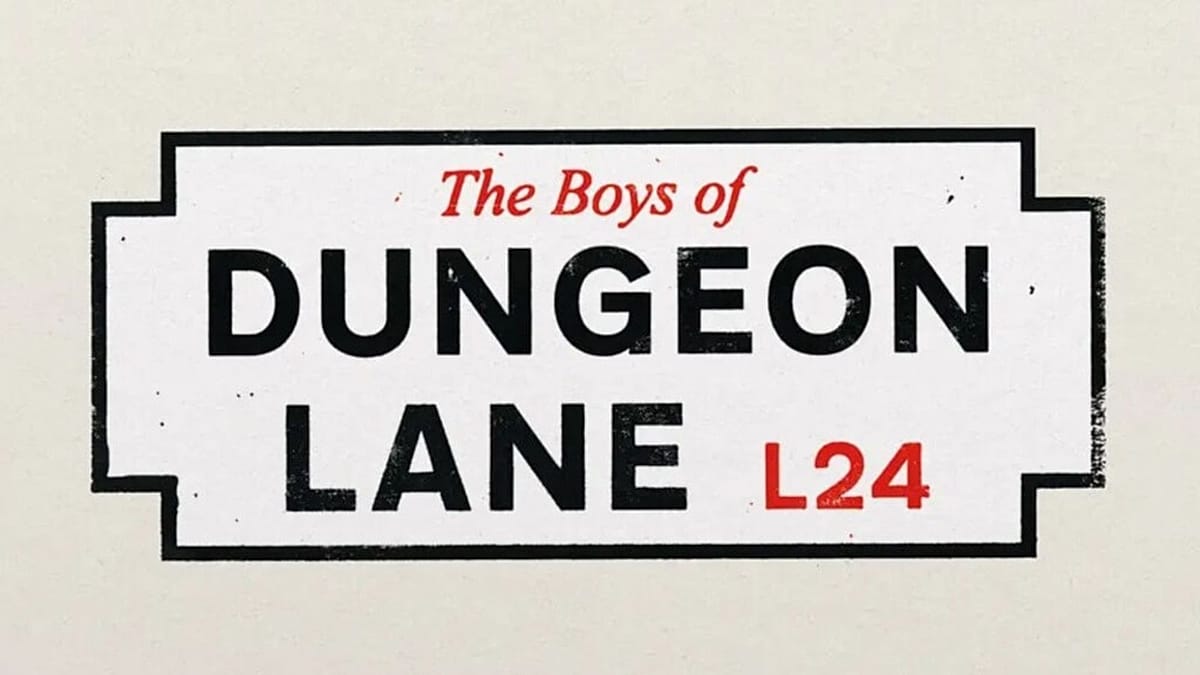
As a journalist who has spent over a decade analyzing the intersection of cultural legacy and contemporary artistic output, I have observed that few figures navigate the weight of their own history as frequently as Paul McCartney. The release of The Boys of Dungeon Lane—a project that arrives as his first solo studio venture in six years—invites a complex conversation about how veteran musicians engage with their past. For an artist whose catalog has defined the sound of the 20th century, the challenge is rarely about technical proficiency; rather, it is about the delicate balance between authentic reflection and the creative stagnation often associated with nostalgia.
The question of whether an artist of McCartney’s stature can successfully revisit his formative years without succumbing to the pitfalls of sentimentality is one that echoes across the music industry. In The Boys of Dungeon Lane, McCartney appears to lean into the narrative of his origins, a move that provides a granular look at the environments and experiences that preceded his global superstardom. For listeners and critics alike, this work serves as a case study in how heritage acts can maintain relevance in an evolving digital landscape where the consumption of music is increasingly fragmented.
Navigating the Artistic Weight of History
Nostalgia, in a musical context, is often a double-edged sword. While it provides an immediate emotional connection for a long-standing fan base, it can also act as a barrier to innovation. When McCartney approaches these themes, he is operating within a genre that demands a high level of vulnerability. By focusing on the specificities of his youth—referenced in the title of the work—he avoids the trap of generic reminiscence. Instead, he offers a grounded perspective on the transition from a local musician to a cultural icon.
For those tracking his career trajectory, this release follows a period of relative silence in terms of solo studio albums. According to industry tracking data, the six-year gap between this project and his previous solo endeavor marks one of the longest creative hiatuses in his recent discography, a timeline verified by official industry performance metrics. This space has allowed for a level of introspection that is often absent in the rapid-fire release cycles typical of modern pop music.
Critical Perspectives and the Audience Verdict
The critical reception of The Boys of Dungeon Lane has been marked by a focus on McCartney’s ability to weave personal history into contemporary production styles. Critics have noted that while the subject matter is inherently retrospective, the execution remains firmly rooted in the present. What we have is not a mere re-hashing of past triumphs; it is an analytical look at the formative years of one of the world’s most influential composers.
The reception highlights a broader shift in how we value “legacy” content. As official reporting on his career milestones indicates, McCartney’s work continues to be evaluated not just on its own merit, but as a continuation of a narrative that began in the early 1960s. The challenge for the listener is to separate the man from the myth, a task that McCartney himself seems to facilitate by choosing to highlight the mundane, human moments of his early life rather than the grand spectacle of his later career.
Key Takeaways on the New Release
- Return to Form: This project represents McCartney’s first solo studio album in six years, signaling a deliberate return to long-form storytelling.
- Thematic Focus: The work centers on personal history and the formative environments of his youth, moving away from the abstract themes of some of his previous work.
- Cultural Impact: The project serves as a reminder of the enduring influence of the “British Invasion” era on contemporary songwriting structures.
- Production Style: Despite the nostalgic subject matter, the production employs modern recording techniques, bridging the gap between his heritage sound and current audio standards.
What Comes Next for McCartney’s Discography
As the conversation surrounding The Boys of Dungeon Lane settles, the focus of the music community shifts toward what this means for his future output. While no official dates for a follow-up project or a supporting tour have been confirmed by his representatives, the industry remains attentive to any announcements regarding his official archive collection and future creative endeavors. In an era where digital streaming platforms allow for the immediate discovery of older catalogs, McCartney’s ability to remain a viable, active artist is a significant anomaly.
the success of this album lies in its ability to satisfy the curiosity of those interested in the genesis of his career while providing enough musical depth to stand independently. Whether you are a long-time admirer of his work or a casual listener interested in the evolution of rock music, this release provides a unique window into the mind of an artist who has seen it all. We invite our readers to share their thoughts on the album in the comments section below—how does this latest work rank against the rest of his extensive solo catalog?