
The intersection of celebrity branding and ethical advocacy has once again become a flashpoint for digital debate. This week, Grammy-winning artist Lizzo sparked significant controversy following the release of a new promotional campaign for the casual dining chain Chili’s. The singer, who has previously been celebrated for her vocal support of plant-based living, has faced a swift and sharp backlash from animal rights groups after appearing in a high-energy advertisement featuring the restaurant’s signature baby back ribs.
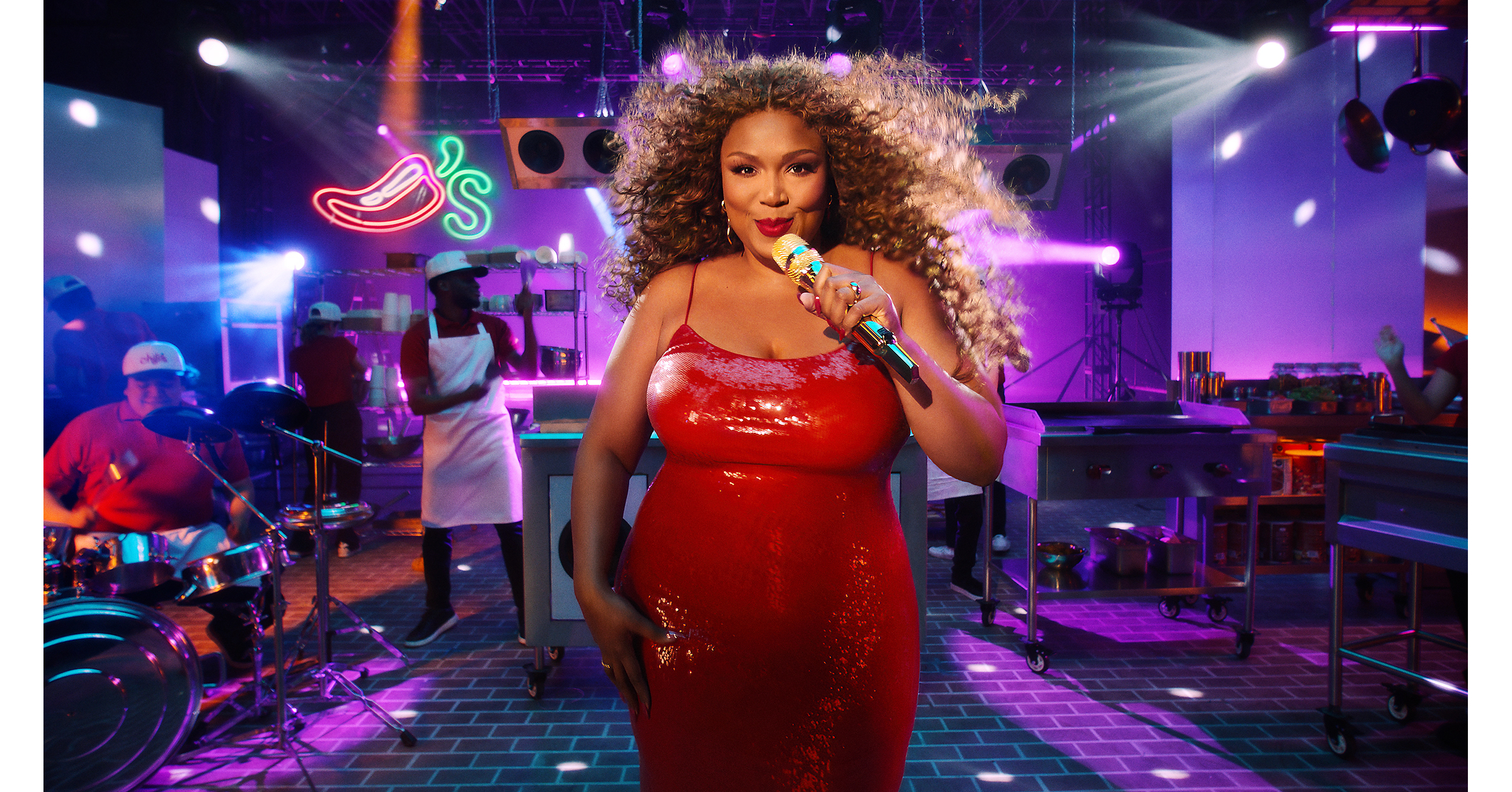
The campaign, which reimagines the iconic 1990s Chili’s jingle through a modern, disco-inspired lens, features Lizzo performing with a rib-shaped flute. While the brand’s marketing team has framed the collaboration as a nostalgic revival, the reaction from People for the Ethical Treatment of Animals (PETA) was immediate. The organization, which has long monitored celebrity endorsements of animal products, publicly criticized the singer for what they characterized as a reversal of her once-prominent vegan values.
The controversy surrounding the Lizzo Chili’s collaboration highlights the complex relationship between personal lifestyle choices and public commercial partnerships. For years, the artist was a prominent figure in the wellness space, frequently sharing plant-based recipes and advocating for veganism with her millions of followers. However, the singer’s public evolution regarding her dietary habits has been documented over the past several years, leading to a polarized response from her fanbase.
PIGS WANT THEIR RIBS BACK. It’s about damn time you found a conscience, @lizzo The truth hurts, right? Here’s the truth behind your @Chilis jingle: using the flesh and bones of an animal who was violently killed as an “instrument” is beyond grotesque. What happened to you? pic.twitter.com/dARSig6rPU&mdash. PETA (@peta) May 27, 2026
The Evolution of a Public Persona
Lizzo’s transition away from a strictly vegan diet has been a topic of public discussion for some time. In 2024, the singer acknowledged a shift in her nutritional approach, citing a need to reevaluate her health and physical requirements. This admission marked a departure from the strict plant-based lifestyle she had documented on social media platforms like TikTok and Instagram during the height of her wellness advocacy period.
For many observers, the Chili’s campaign serves as a definitive departure from that era. The advertisement leans heavily into the promotion of meat-based products, a move that critics argue is incompatible with the ethical messaging she previously championed. The backlash from PETA, which labeled the partnership as “beyond grotesque,” reflects the heightened expectations that often follow public figures who align themselves with specific social or ethical movements.

However, the response from the public has not been universally negative. Many fans have embraced the campaign as a return to the playful, nostalgia-driven pop culture moments that characterized the singer’s earlier career. The jingle itself—a staple of American television advertising from the late 1990s—has resonated with a demographic that views the collaboration through the lens of entertainment rather than ethical scrutiny.
OKAY NOW I FKN LOVE YOU!!! THANK YOU FOR UNLOCKING A CORE MEMORY!!!! pic.twitter.com/AxoCENhEx6— Quentin Turner (@QuentinTurner) May 27, 2026
Marketing Strategy Meets Ethical Scrutiny
From a corporate perspective, the partnership is a calculated effort to tap into cultural nostalgia. George Felix, the Chief Marketing Officer at Chili’s, has publicly defended the creative direction of the campaign, emphasizing the energy and cultural relevance that a star of Lizzo’s caliber brings to the brand. The strategy aims to bridge the gap between the brand’s long-standing heritage and a modern, younger audience.
Yet, the incident serves as a reminder of the risks inherent in celebrity brand endorsements. When a public figure’s personal brand is built, even partially, on ethical advocacy, any commercial move that contradicts that history is likely to trigger a “values-based” backlash. The tension here is not merely about a menu item, but about the perceived authenticity of a public figure’s platform.
Social media discourse on the matter remains deeply divided. Supporters of the singer argue that an individual’s dietary choices are personal and subject to change, and that she should not be held to a permanent standard based on past lifestyle choices. Conversely, detractors maintain that by profiting from the promotion of animal products, she is actively endorsing an industry she once opposed, which they view as a betrayal of her influence.
Wow, how awful. C'mon, you can do better Lizzo. This is gross and so disrespectful.— Melissa S (@MelissaS8904489) May 28, 2026
What This Means for Celebrity Advocacy
As the conversation continues, the broader question remains: to what extent are celebrities responsible for maintaining the ethical stances they adopt early in their careers? In an era where digital footprints are permanent, the “pivot” has become a difficult maneuver for public figures. When an artist shifts their personal values, their commercial partnerships often become the primary battleground for their audience’s approval.
For the time being, the singer appears to be moving forward with her professional schedule, including the promotion of her upcoming creative projects. As she prepares for the release of her next studio album, titled “B*TCH,” she is prioritizing her artistic direction over the noise of online criticism. Whether this incident will have a lasting impact on her brand or serve as a temporary flashpoint remains to be seen.
For those interested in the ongoing dialogue regarding animal welfare and corporate responsibility, official updates and policy stances can be found through the official PETA website, which documents their various campaigns and advocacy efforts. Meanwhile, the brand continues to promote its current menu offerings across national platforms, signaling that the campaign will proceed as planned despite the vocal opposition from animal rights groups.
We invite our readers to share their perspectives on this evolving story. Does a celebrity’s past advocacy obligate them to maintain specific lifestyle choices in their professional work, or is personal growth a natural and acceptable part of the public eye? Join the conversation in the comments section below.