
The status of Shi Yongxin, the long-serving abbot of the historic Shaolin Temple in Henan province, has become the subject of intense international scrutiny following reports of his legal downfall. As a figure who has spent decades balancing the traditional role of a Buddhist monk with the modern demands of global cultural branding, his reported conviction marks a significant moment in the intersection of religious leadership and institutional governance in China.
For years, Shi Yongxin has been a polarizing figure, often described in media outlets as the “CEO monk” for his aggressive efforts to modernize the Shaolin Temple’s operations and expand its international presence. However, recent developments indicate that he has faced severe judicial consequences, with reports circulating of a 24-year prison sentence handed down by a court in connection with charges including the embezzlement of public funds and bribery. While these reports have captured widespread attention, they underscore the complexities of navigating large-scale religious institutions within contemporary legal frameworks.
A Legacy of Modernization and Controversy
Since assuming leadership at the Shaolin Temple, Shi Yongxin transformed the ancient monastery into a global brand synonymous with martial arts and cultural heritage. His tenure saw the establishment of numerous branch temples and the commercialization of Shaolin-themed products, which brought significant revenue to the site. Yet, this path of “commercialization” often drew criticism from observers who questioned whether such activities were compatible with the ascetic principles of Buddhist monastic life.
The allegations leading to the reported sentencing involve substantial financial sums. According to various reports, the charges center on the misappropriation of temple funds and personal enrichment, though independent verification of the specific financial totals remains difficult due to the nature of the legal proceedings in China. The transition from a prominent religious leader to a defendant in a high-profile criminal case highlights the ongoing efforts by authorities to enforce financial transparency and oversight within religious organizations.
Legal Proceedings and Institutional Oversight
In China, the management of religious sites is governed by strict regulations, including the Regulations on Religious Affairs, which mandate that temples and other places of worship maintain rigorous financial record-keeping and oversight. The reported charges against Shi Yongxin reflect a broader focus on the accountability of individuals managing large, income-generating religious endowments. The judicial process, as reported, involved comprehensive investigations into the financial operations of the temple, which serves as a central hub for millions of tourists and practitioners annually.
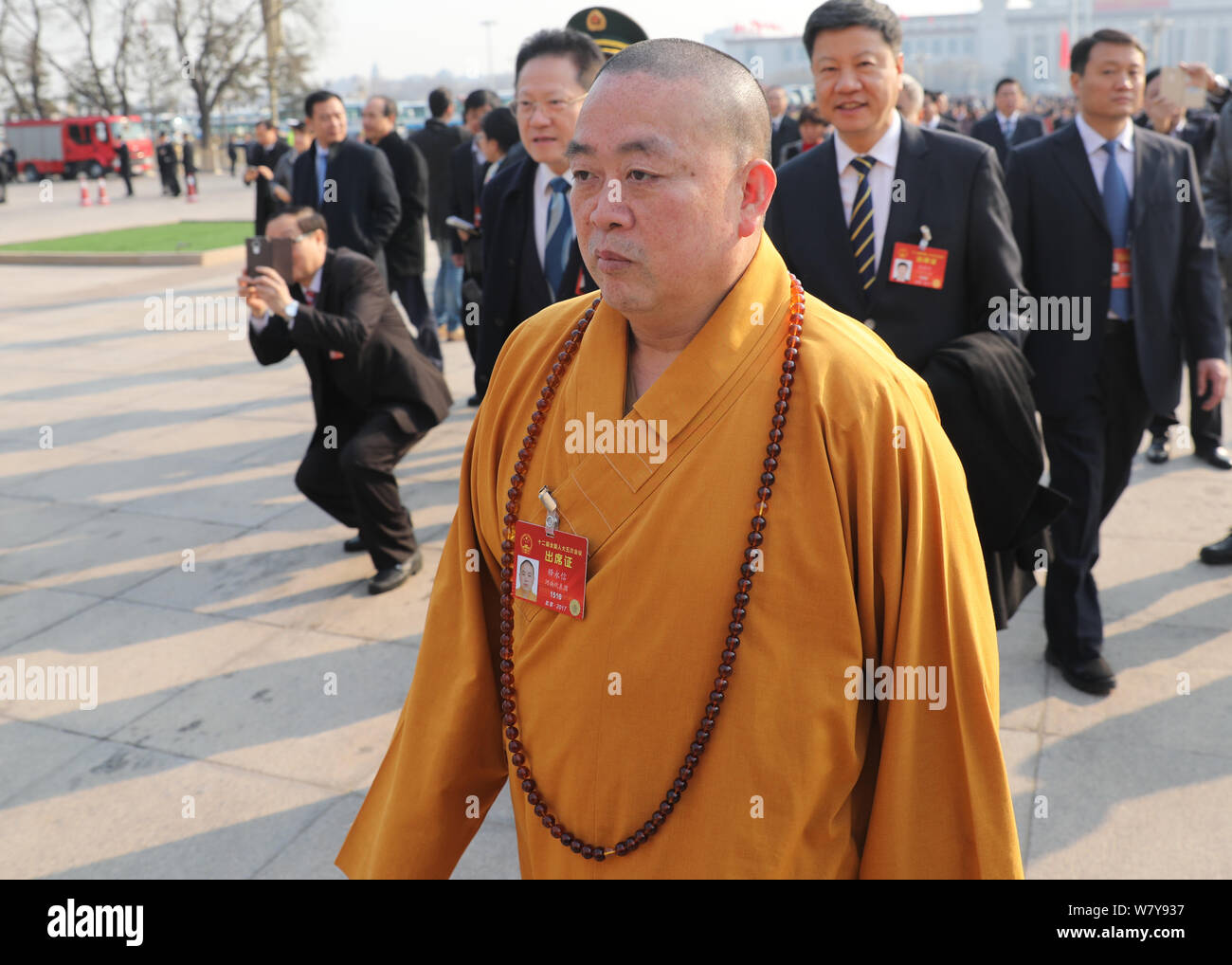
While the details of the court’s ruling—including the specific duration of the sentence and the nature of the evidence presented—have been widely discussed in regional media, official confirmation from the Chinese judiciary regarding the specifics of the case has been limited. The case serves as a reminder of the legal risks faced by those who manage significant public and private assets within the framework of religious institutions.
The Future of the Shaolin Temple
The removal of a leader as influential as Shi Yongxin poses questions about the future governance of the Shaolin Temple. For many, the monastery represents a vital piece of Chinese history and a symbol of cultural identity that transcends the actions of any single individual. As the temple moves forward, stakeholders, including the local government and the Buddhist Association of China, will likely play a role in ensuring that the institution maintains its religious mission while adhering to modern standards of fiscal responsibility.
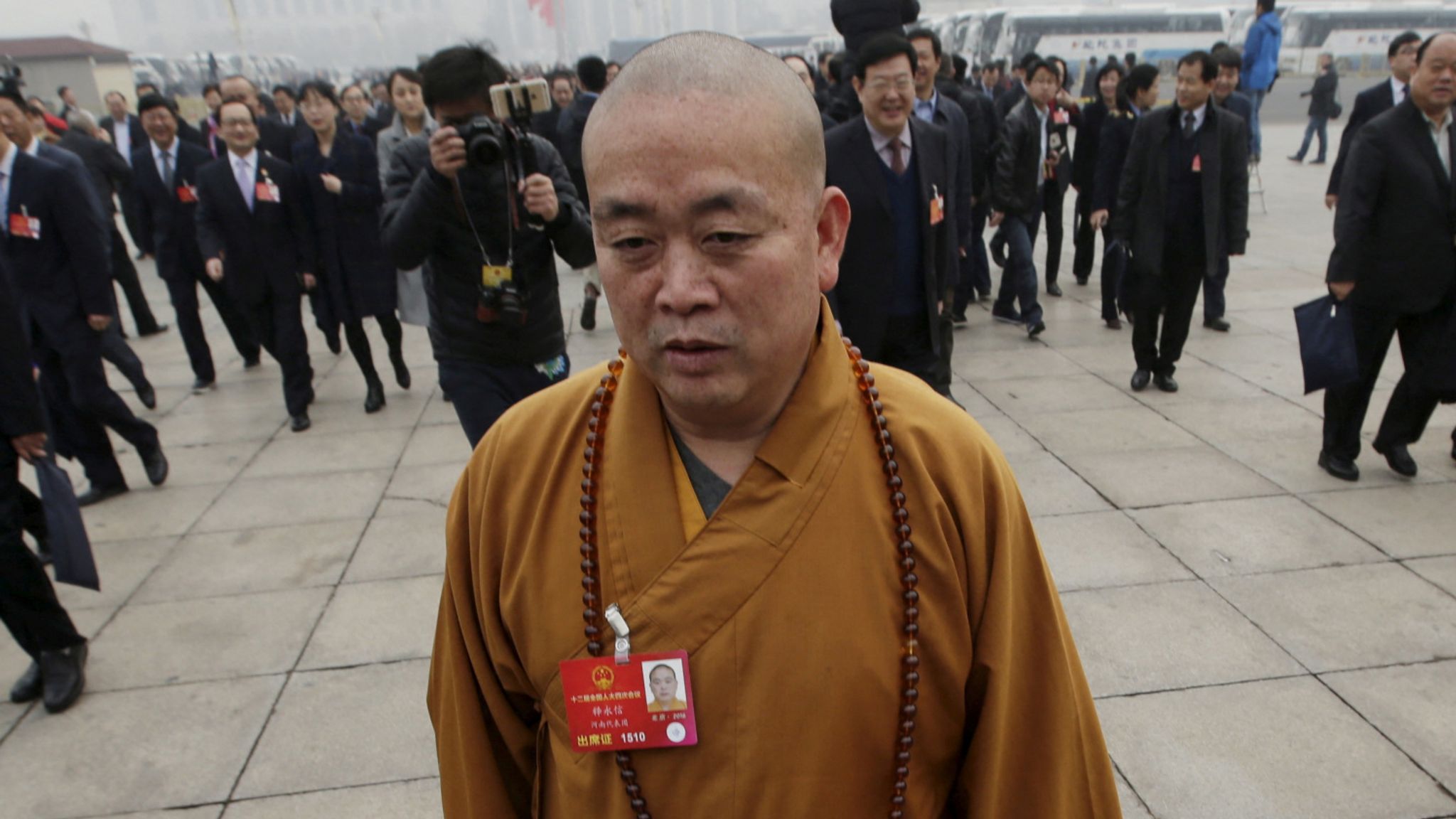
For observers of global religious affairs, this case illustrates the tension between the preservation of traditional monastic values and the pressures of managing modern, profitable cultural enterprises. Whether the Shaolin Temple can return to its roots or will continue its trajectory as a commercial entity remains to be seen. As legal developments continue to unfold, the public will be looking for official statements from the relevant authorities to clarify the long-term implications of this historic case.
We will continue to monitor official announcements from the Henan provincial courts and relevant state authorities for further updates regarding the legal status of the case. Readers interested in the intersection of law and religious governance are encouraged to follow our coverage as more verified details emerge. Please share your thoughts or questions in the comments section below.
Keep reading