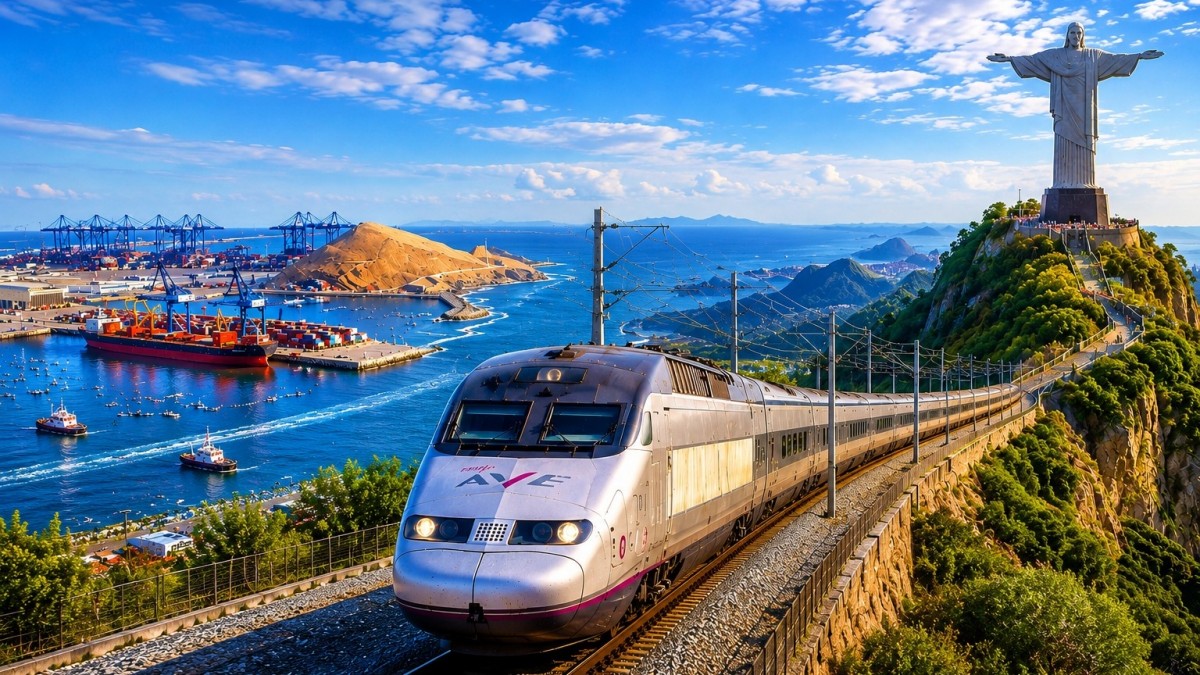
The landscape of South American logistics is undergoing a significant conceptual shift as regional governments move to advance the development of the Capricorn Bioceanic Corridor. This ambitious infrastructure initiative seeks to bridge the gap between the Atlantic and Pacific oceans, creating a transcontinental route designed to streamline the export of commodities to Asian markets. Spanning nearly 4,000 kilometers, the project aims to integrate the economies of Brazil, Paraguay, Argentina, and Chile, fundamentally altering how landlocked regions access global maritime trade hubs.
As we monitor these developments from our newsroom in Sofia, the project represents more than just asphalt and rail; It’s a geopolitical endeavor to reduce transit times and shipping costs for agricultural and industrial exports. The central goal of the Capricorn Bioceanic Corridor is to establish a reliable, high-capacity link that bypasses traditional, longer routes, effectively positioning South America as a more competitive player in the Pacific-facing global economy. As reported by the OECD on Latin American infrastructure, such regional integration remains a vital component for long-term economic growth in the Southern Cone.
A Strategic Route Across the Southern Cone
The proposed trajectory for the corridor is designed to leverage existing road networks while identifying critical gaps that require new construction or significant upgrades. Starting in the Brazilian state of Mato Grosso do Sul, the route traverses the Paraguayan Chaco, cuts through the northern provinces of Argentina, and terminates at the Chilean ports of Antofagasta, and Mejillones. This connection is not merely a regional convenience but a strategic alignment intended to facilitate the movement of goods like soybeans, meat, and minerals, which are in high demand in China and other East Asian nations.

The logistical necessity of this project is underscored by the current reliance on the Panama Canal or long maritime routes around the tip of South America. By providing a direct overland connection to the Pacific, the corridor aims to shave days off the transit time for bulk cargo. According to the Economic Commission for Latin America and the Caribbean (ECLAC), improving multimodal connectivity is a cornerstone for reducing the high logistics costs that have historically hindered the region’s international competitiveness.
Economic Drivers and Regional Integration
At the heart of the project’s momentum is the desire to diversify export destinations and strengthen trade ties with the Asia-Pacific region. While the corridor is often discussed in the context of rail, the current reality involves a phased approach focusing on road infrastructure to ensure initial connectivity. The Inter-American Development Bank (IDB) has been involved in providing technical assistance and financing frameworks to help member countries harmonize their customs procedures and border regulations, which are essential for making such a massive corridor functional.
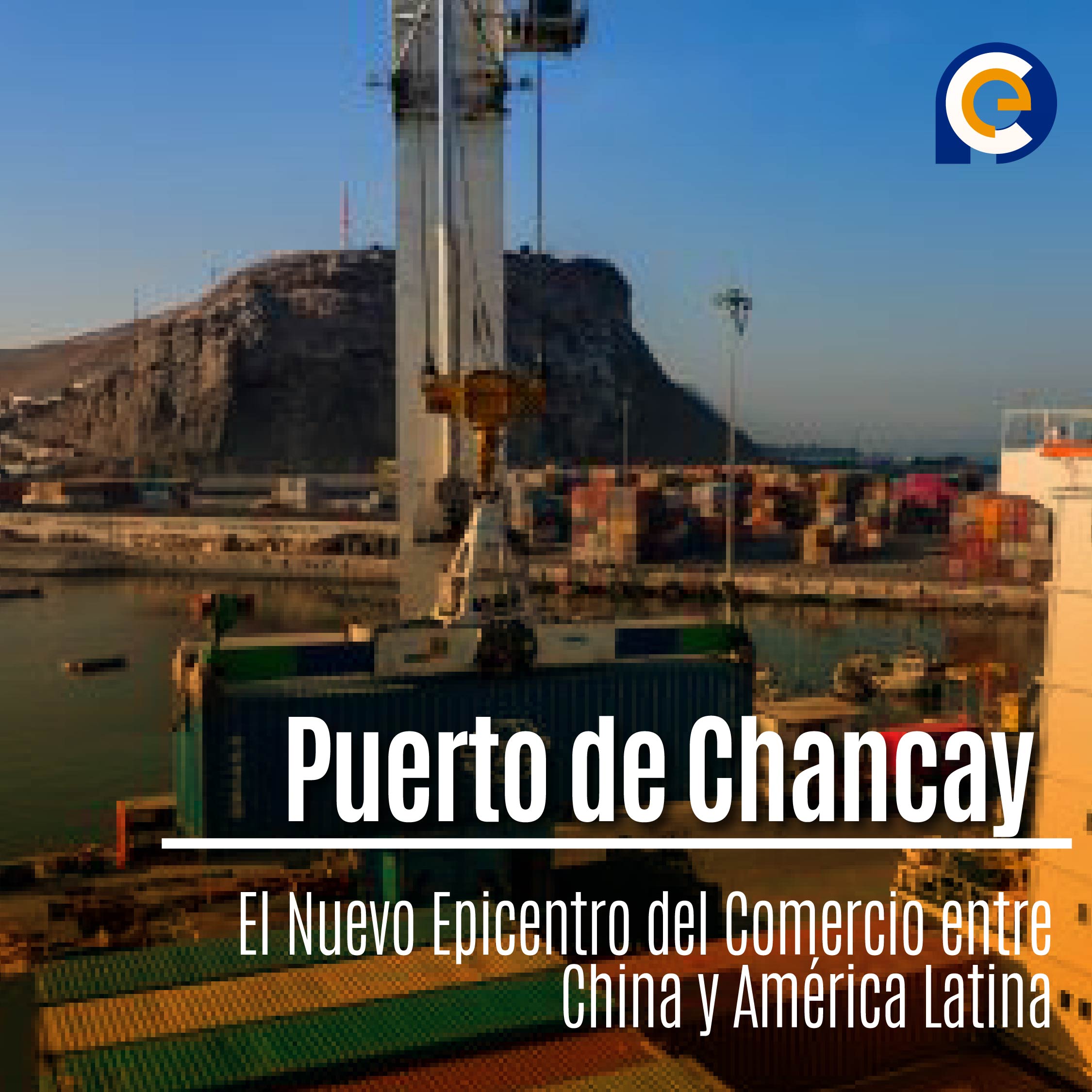
The integration of the port of Chancay in Peru—a major investment by the Chinese firm COSCO Shipping—into the broader discussion of Pacific connectivity has also influenced the regional narrative. While the Capricorn Corridor is distinct from the northern routes leading to Chancay, it is part of a broader continental strategy to ensure that South American infrastructure is optimized for the scale and speed required by 21st-century global supply chains. The total investment figures for regional rail and road upgrades across these nations often reach into the tens of billions of dollars, though these projects are frequently managed through a mix of public-private partnerships and international loans, as noted in recent World Bank regional assessments.
Key Takeaways: Understanding the Bioceanic Corridor
- Geographic Scope: The corridor spans approximately 4,000 km, connecting the Atlantic coast of Brazil to the Pacific ports of Chile.
- Participating Nations: Brazil, Paraguay, Argentina, and Chile are the primary stakeholders collaborating on the infrastructure and regulatory frameworks.
- Trade Objective: The primary goal is to lower logistics costs for agricultural and mineral exports, specifically targeting the Asian market.
- Infrastructure Reality: While often referred to as a “railway” in media reports, the current progress is heavily focused on road connectivity and the modernization of border crossings.
- Strategic Importance: The project serves as a counterweight to traditional, longer maritime shipping routes, aiming to improve the region’s overall trade efficiency.
Challenges and Future Outlook
Despite the economic optimism, the project faces significant hurdles. The physical terrain, which includes the Andes Mountains, presents complex engineering challenges that require substantial capital and long-term maintenance commitments. The political landscape in South America is characterized by frequent changes in administration, which can lead to shifts in infrastructure priorities and funding allocations. Consistency in cross-border policy—ranging from sanitary standards for agricultural products to customs automation—remains the “soft” infrastructure bottleneck that must be addressed alongside the physical road and rail construction.

Environmental impact assessments and the inclusion of local communities along the route are also critical facets of the project’s legitimacy. As the corridor moves through ecologically sensitive areas, particularly in the Gran Chaco region, the need for sustainable development practices has become a central point of discussion among regional planners. International observers are closely watching how these four nations manage the balance between rapid economic expansion and the preservation of natural assets.
Looking ahead, the next significant checkpoint for the corridor will be the upcoming summits of the Southern Common Market (MERCOSUR), where technical committees are expected to provide updates on border facility upgrades and unified transit protocols. These meetings remain the primary venue for formalizing the regulatory agreements that will eventually govern the flow of goods across the continent. We will continue to track these developments as they unfold. I encourage you to share your thoughts on the potential impact of this corridor in the comments section below, or join our community of global affairs enthusiasts to stay informed on the latest infrastructure shifts shaping our world.
Related reading