
As a physician and health editor, I often emphasize that the most powerful tool in modern medicine is not a new drug, but the ability to see a disease before it manifests. For decades, Alzheimer’s disease has been a clinical shadow, often diagnosed only when cognitive decline becomes apparent—a point where significant neurological damage has already occurred. However, recent advancements in biomarker research are fundamentally changing this narrative, offering the potential to identify early signs of Alzheimer’s disease up to a decade before clinical symptoms appear.
The emergence of blood-based biomarkers and highly sensitive brain imaging techniques represents a significant shift in the landscape of neurodegenerative diagnostics. These tools, which measure the presence of amyloid-beta and tau proteins, are moving from experimental research settings into the clinical conversation. While these innovations offer hope for earlier interventions, they also bring complex questions regarding diagnostic accuracy, the psychological impact of pre-symptomatic knowledge, and the current limitations of our therapeutic arsenal.
Biomarkers: The New Frontier in Blood Testing
The core of this diagnostic evolution lies in the identification of specific proteins in the bloodstream that serve as proxies for brain pathology. Researchers have been focusing on plasma biomarkers, such as p-tau217, which have shown high sensitivity and specificity in correlating with amyloid plaques and tau tangles in the brain, the hallmarks of Alzheimer’s pathology. According to a study published in the Journal of the American Medical Association (JAMA), these blood tests are showing significant promise in identifying individuals at risk of cognitive decline before they meet the criteria for dementia, providing a less invasive alternative to traditional methods like lumbar punctures or PET scans (JAMA Neurology, 2024).
It’s essential to clarify what these tests can and cannot do. A blood test is currently considered a screening tool or a diagnostic aid, not a definitive final diagnosis. The medical community, including organizations like the Alzheimer’s Association, emphasizes that a positive blood test result must be interpreted within the context of a comprehensive clinical evaluation, including medical history, neurological exams, and cognitive assessment. As noted by the Alzheimer’s Association, while these tests are revolutionary, they are not yet recommended for routine primary care use without specialist oversight.
Advancements in Neuroimaging
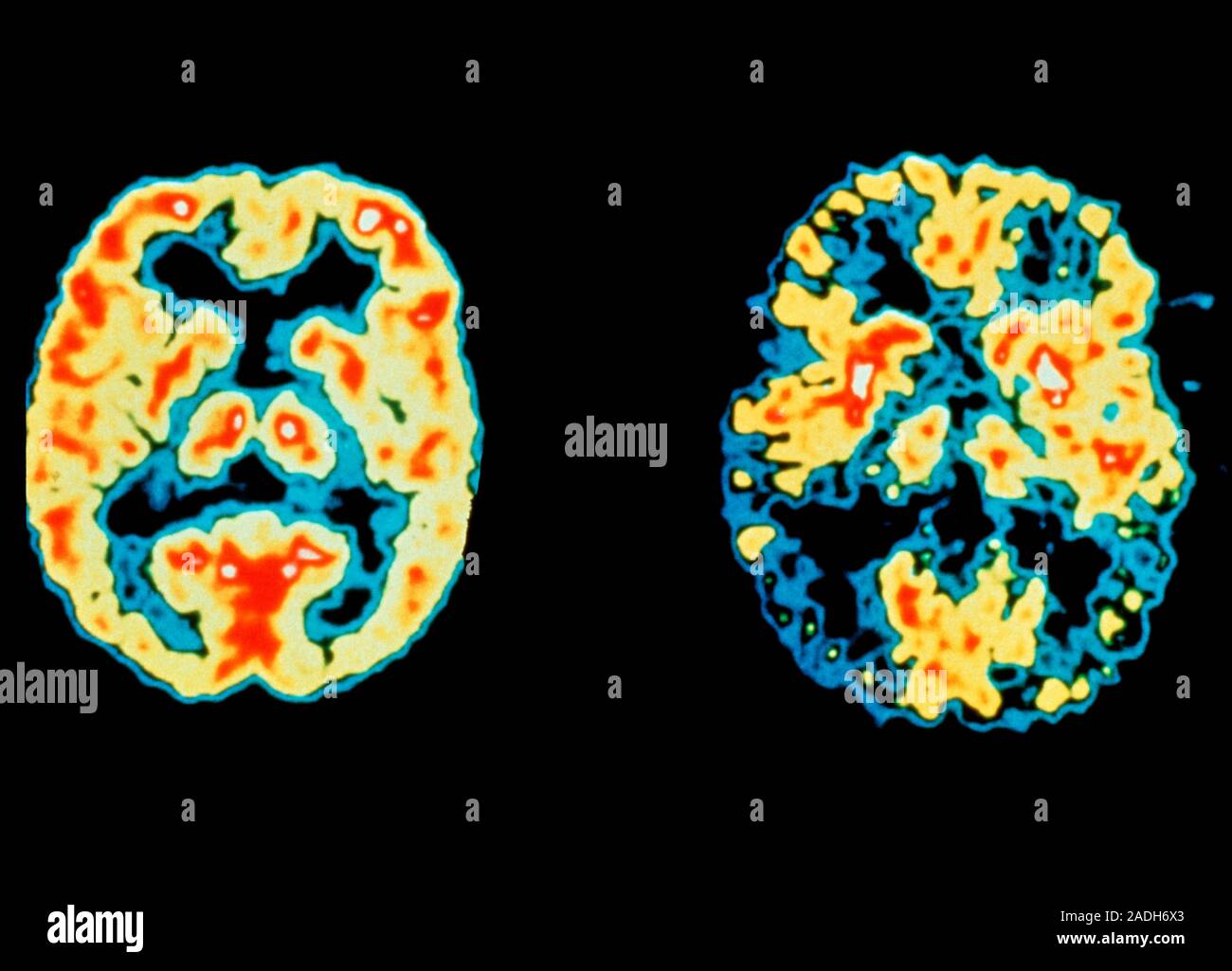
Parallel to blood-based research, advancements in neuroimaging—specifically PET (Positron Emission Tomography) scanning—continue to refine our ability to visualize the brain’s internal environment. New radiotracers are allowing clinicians to map the density and distribution of amyloid and tau proteins with unprecedented clarity. This imaging capability acts as the “gold standard” to confirm what blood markers might suggest, providing a visual confirmation of protein accumulation long before the patient notices memory loss or executive dysfunction.
The integration of these technologies into clinical trials has already accelerated the pace of drug development. By identifying patients in the “pre-clinical” phase, researchers can test disease-modifying therapies, such as monoclonal antibodies, when the disease burden is at its lowest. The U.S. Food and Drug Administration (FDA) has utilized these biomarker-driven trial designs to evaluate treatments aimed at slowing the progression of early-stage Alzheimer’s (FDA, 2023). This shift toward “precision neurology” is perhaps the most significant change in the field since the discovery of the plaques themselves.
What This Means for Patients and Policy
For the millions of families affected by Alzheimer’s, the prospect of an earlier warning system is both a relief and a challenge. From a clinical perspective, early knowledge allows for lifestyle modifications—such as rigorous management of cardiovascular health, sleep hygiene, and cognitive engagement—which may help delay the onset of symptoms. However, the ethical implications of “pre-diagnosis” are profound. We must ask: how do we support a patient who knows they have the pathology of a disease but has yet to experience the symptoms?
Healthcare policy is currently scrambling to keep pace with these innovations. Access to PET scans and specialized blood biomarkers remains geographically and economically uneven. In the European Union, the European Medicines Agency (EMA) continues to evaluate the safety and efficacy of diagnostic protocols, ensuring that as these tools enter the market, they are accompanied by robust clinical guidelines to prevent over-diagnosis and patient anxiety (EMA, 2024). The goal is to provide a standardized pathway so that patients receive not just a result, but a structured care plan.
Key Takeaways for the Public
- Not a Diagnosis: Current blood tests for Alzheimer’s are screening markers, not definitive diagnostic tools. They indicate risk, not the inevitable onset of dementia.
- Multidisciplinary Care: Any result from a biomarker test must be discussed with a neurologist or a memory clinic specialist who can integrate the data with a full physical and cognitive assessment.
- Clinical Utility: These tests are currently most valuable in the context of clinical trials and specialized memory centers, rather than as standard annual check-ups.
- The Importance of Prevention: Regardless of biomarker status, the “pillars of brain health”—regular exercise, a heart-healthy diet, and consistent social interaction—remain our best defenses against cognitive decline.
Looking Ahead
The next major checkpoint in this field will be the publication of updated international diagnostic criteria, which are expected to incorporate these blood-based biomarkers into standard clinical practice. Organizations such as the International Working Group (IWG) are actively working on guidelines to ensure these tools are used ethically and accurately across global healthcare systems. As we move forward, the focus will remain on balancing technological optimism with the cautious, evidence-based approach required in clinical medicine.

At the World Today Journal, we will continue to monitor the regulatory approvals and clinical trial data emerging from both the EMA and the FDA. For those concerned about cognitive health, the best step remains a consultation with your primary care physician to discuss your specific risk factors and current symptoms. If you found this analysis helpful, please share it with your network or leave a comment below to continue the conversation on how we can better support brain health in our communities.
Related reading