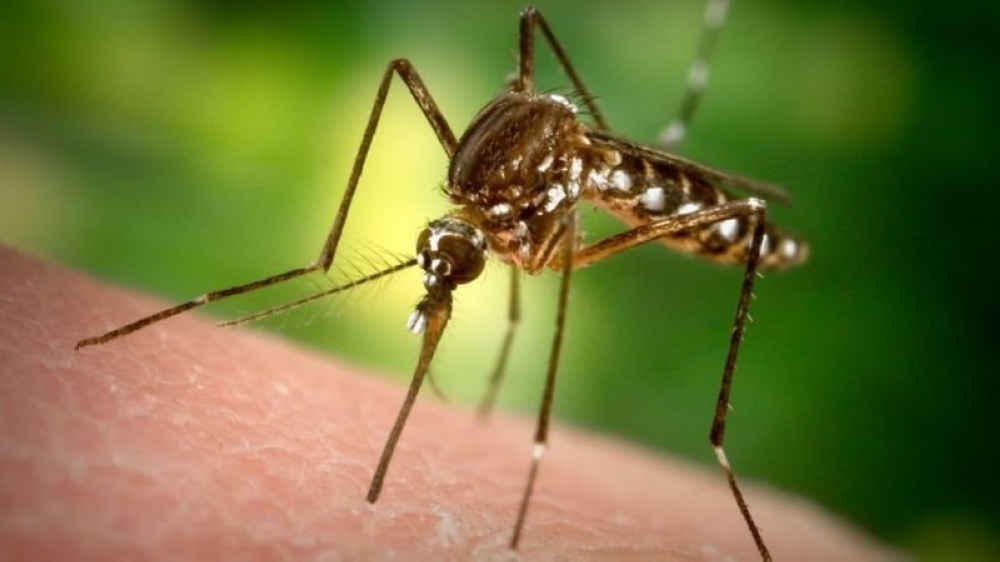
The implementation of Wolbachia bacteria technology significantly reduces the capacity of mosquitoes to transmit dangerous vector-borne pathogens such as dengue and Zika viruses, according to public health experts. Medical specialists highlight that introducing this naturally occurring bacterium into local mosquito populations offers a sustainable, biological method to suppress disease transmission without relying heavily on chemical insecticides.
Vector-borne diseases remain a persistent global health challenge, affecting millions of people annually in tropical and subtropical regions. Traditional mosquito control methods, including fogging and larvicides, often yield temporary results and face growing challenges as mosquitoes develop chemical resistance. In response, health authorities and researchers increasingly evaluate advanced biological interventions, such as the deployment of mosquitoes carrying the Wolbachia microbe, to protect vulnerable urban and rural communities.
How Wolbachia Disrupts Virus Transmission
Wolbachia is a common bacterium found in up to 60 percent of insect species, though it is not naturally present in the primary urban mosquito vector, Aedes aegypti. When researchers introduce Wolbachia into these mosquitoes, the bacteria occupy tissues where viruses like dengue, Zika, and chikungunya typically replicate. Because the bacteria compete with the viruses for cellular resources, the pathogens struggle to multiply within the mosquito.
This biological competition drastically lowers the vector competence of the mosquito, meaning infected insects are far less likely to pass the virus to humans during a bite. Furthermore, Wolbachia spreads naturally through mosquito populations via a reproductive phenomenon known as cytoplasmic incompatibility. When a Wolbachia-infected male mates with an uninfected female, no offspring hatch. When an infected female mates, all of her offspring inherit the bacteria, allowing the beneficial microbe to establish itself permanently within the local mosquito population over successive generations.
Global Implementation and Public Health Impact
Public health agencies across multiple continents have scaled up field trials and large-scale releases of Wolbachia-infected mosquitoes following successful pilot programs. Controlled trials coordinated by organizations such as the World Mosquito Program have demonstrated substantial reductions in dengue incidence in densely populated urban centers where the technique has been fully deployed. For instance, long-term monitoring in regions like Yogyakarta, Indonesia, and parts of Latin America revealed dramatic drops in reported dengue hospitalizations.
Medical professionals emphasize that this approach functions best as part of an integrated vector management strategy rather than a standalone fix. Communities utilizing Wolbachia deployment continue to encourage standard preventative measures, such as eliminating stagnant water containers around homes where mosquitoes breed. Public health ministries coordinate these releases carefully, engaging local communities to ensure public understanding and acceptance before introducing the modified insects.
Looking Ahead: Scaling Biological Vector Control
As climate change expands the geographic range of Aedes aegypti mosquitoes into new territories, health authorities face mounting pressure to adopt scalable, environmentally stable control measures. Ongoing research focuses on streamlining mass-rearing techniques and optimizing release protocols to cover larger metropolitan areas efficiently. Regulatory agencies continue to review safety data regarding environmental impacts, with current findings indicating that Wolbachia poses no risk to humans, pets, or broader ecosystems.
Public health officials recommend that residents in endemic areas stay informed through official municipal health portals and adhere to local vector control advisories. For further updates on regional disease surveillance and vector management initiatives, consult announcements from the World Health Organization or national public health authorities. Readers are encouraged to share their thoughts or questions on emerging public health technologies in the comments below.
Worth a look