The city of Bremen has intensified its push against environmentally sterile front yards, establishing a strict deadline of December 31, 2026, for property owners to dismantle and green their so-called “Schottergärten” (gravel gardens). According to municipal housing and environmental authorities in Bremen, the enforcement targets stone-covered properties that violate regional building code requirements for unsealed urban surfaces. The initiative follows years of mounting ecological pressure from urban planners and environmental scientists who cite rising summer temperatures and declining biodiversity in residential neighborhoods.
Municipal regulations across Bremen prohibit excessive surface sealing under regional nature conservation and building laws, noting that gravel beds laid over plastic sheeting prevent vital rainwater infiltration and eliminate local fauna habitats. Property owners who fail to remove the stone layers and replant the areas with genuine vegetation by the end of 2026 face escalating administrative fines and mandatory official remediation orders. Environmental departments across the city state that inspectors will review aerial imagery and conduct randomized on-site checks to ensure compliance with the statutory deadline.
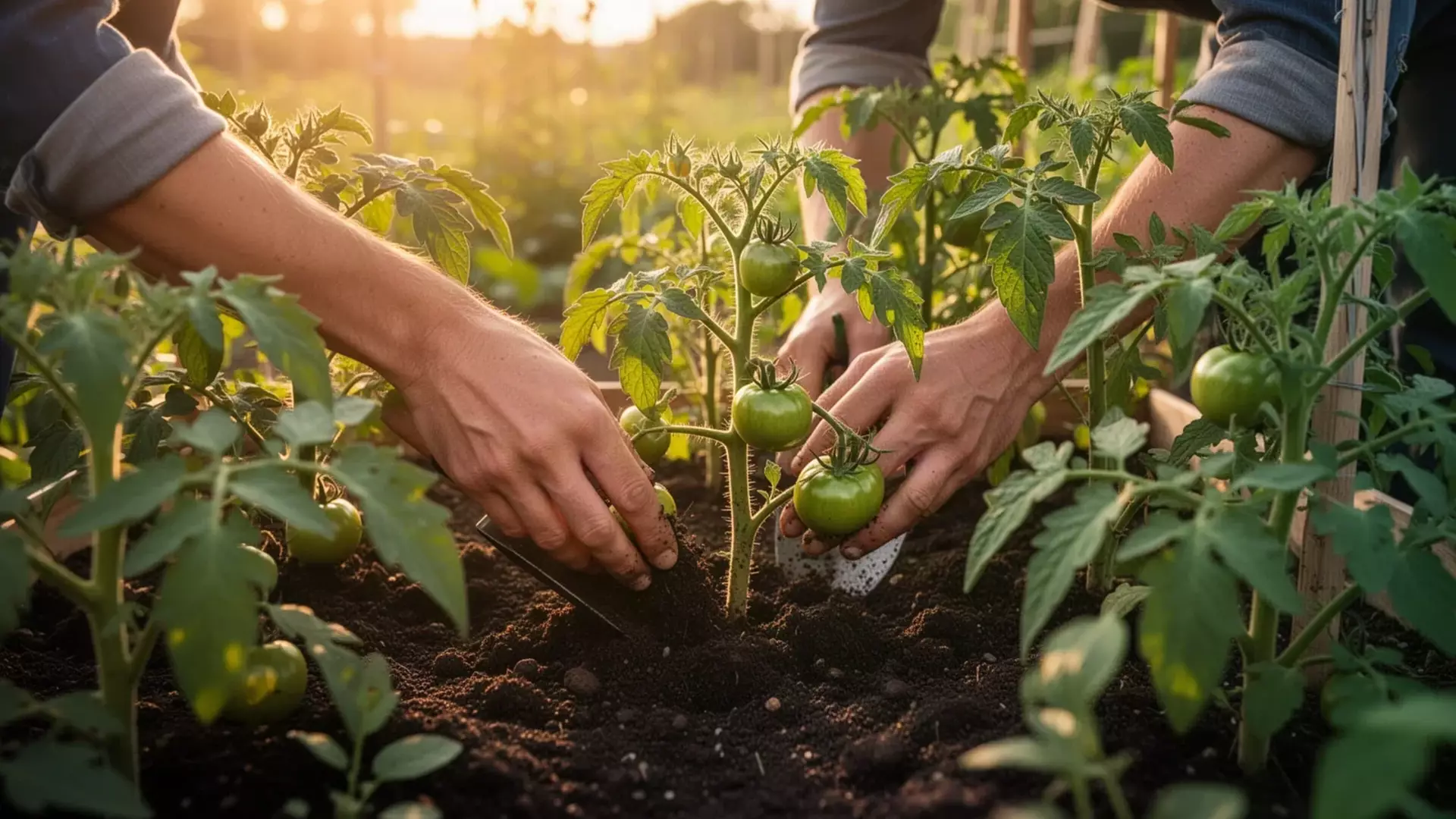
While urban landscaping policies target aesthetic stone beds, broader agricultural and horticultural circles are exploring alternative nutrient management strategies to support sustainable green spaces. Recent discussions in specialized agronomy sectors highlight the agricultural use of treated human urine as an effective, organic nitrogen fertilizer for heavy-feeding plants, known locally as Starkzehrer. Agricultural specialists note that processed urine provides a rich, cost-free source of essential plant nutrients like nitrogen, phosphorus, and potassium, offering a circular economy model for gardeners looking to minimize synthetic chemical inputs.
Legal Framework and Environmental Rationale in Bremen
Bremen’s enforcement mandate rests on specific clauses within regional building codes that require all unbuilt property areas to remain permeable or planted with greenery. City officials emphasize that gravel gardens contribute directly to the urban heat island effect, absorbing solar radiation during hot summer days and radiating heat back into residential streets. Furthermore, the plastic membranes typically installed beneath decorative stones prevent groundwater recharge, exacerbating urban drainage strain during heavy precipitation events.
Local authorities have outlined a phased enforcement timeline to give homeowners adequate time to comply. Property owners receiving remediation notices must strip away the stone layers, dispose of underlying non-biodegradable liners, and establish living plant cover, such as perennial flower beds, grasses, or shrubs. Environmental protection agencies in Bremen point out that even small patches of native vegetation significantly improve local insect populations and bird habitats within densely built districts.
Nutrient Management and Biological Gardening Trends
As municipalities clamp down on artificial landscaping, urban and suburban gardeners are increasingly turning toward biological soil management techniques. Horticultural experts emphasize that replacing sterile gravel with productive garden beds requires careful attention to soil microbiology and nutrient cycling. Among emerging organic practices, the targeted application of urine for nutrient-demanding crops has gained attention in niche professional discussions regarding sustainable resource recovery.
According to agronomy specialists, human urine contains balanced proportions of plant-available macronutrients that can substitute for commercial mineral fertilizers when properly applied to heavy feeders like cabbages, tomatoes, or pumpkins. Researchers stress that safe utilization requires adherence to specific resting periods between application and harvest, ensuring any potential pathogens degrade completely. This biological approach aligns with broader municipal goals in Germany to reduce synthetic fertilizer runoff and promote closed-loop urban nutrient cycles.
Next Steps for Property Owners
Property owners in Bremen with existing gravel installations must submit landscaping alteration plans or complete required conversions before the December 31, 2026 cutoff date. The Bremen environmental department provides informational guides through municipal service portals detailing approved planting lists and soil unsealing procedures. Residents seeking further administrative clarity or scheduling updates can consult official announcements published via the Bremen Senate channels.
Have you encountered similar gravel garden regulations in your area? Share your thoughts or local experiences in the comments below.
Related reading