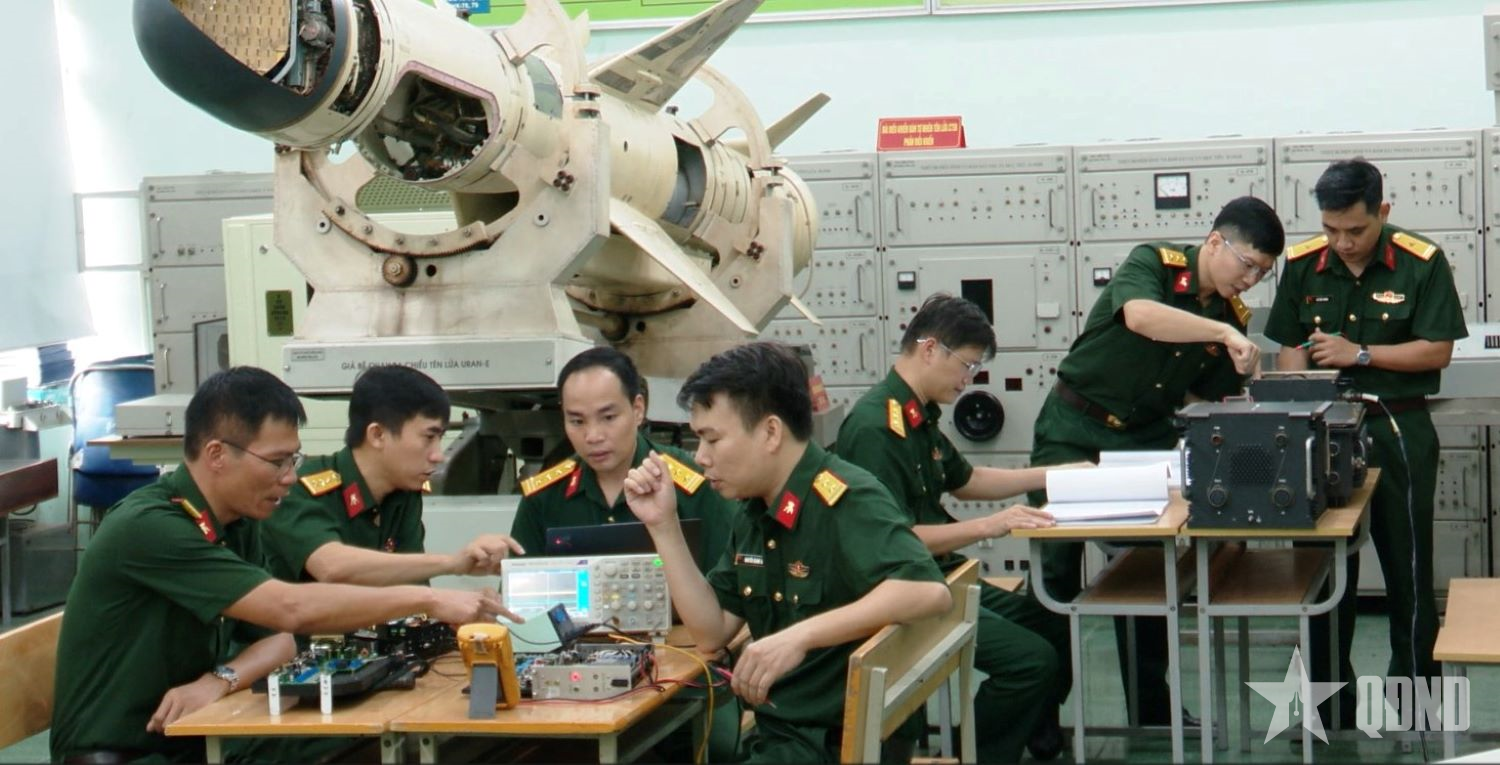
Vietnam is accelerating its push to integrate higher education with advanced scientific research and technical mastery, focusing heavily on automation, electrical engineering, and medical technology. According to recent reports from Vietnamese state media and educational authorities, the strategy aims to align university curricula with industrial demands, moving students from theoretical study into practical, high-tech development.
This systematic overhaul arrives as Vietnam positions itself as an emerging hub for electronics manufacturing and tech innovation in Southeast Asia. Educational institutions across the country are redesigning their laboratories and partnering directly with engineering firms to bridge the persistent gap between academic instruction and industry application.
By focusing on complex disciplines such as automation, rocketry, and biomedical engineering, the nation’s universities hope to build a domestic workforce capable of driving advanced manufacturing. The initiative reflects a broader national policy shift toward a knowledge-based economy driven by domestic engineering talent.
Modernizing Engineering Curricula for Industrial Automation
At the core of Vietnam’s educational modernization is a shift toward hands-on training in industrial automation and electrical systems. Universities in Hanoi and Ho Chi Minh City have expanded their mechanical and electrical engineering departments, adding specialized labs equipped with programmable logic controllers, robotic arms, and industrial simulation software.
Industry stakeholders emphasize that modern factories require engineers who understand both hardware assembly and software integration. By incorporating real-world manufacturing challenges into undergraduate capstone projects, academic programs are preparing graduates for immediate deployment in automated production lines.
This curriculum redesign relies heavily on close collaboration with private sector manufacturers. Engineering students frequently complete internships at major tech facilities, gaining direct exposure to the operational realities of modern industrial plants before they graduate.
Advancing Research in Medical Technology and Specialized Engineering
Beyond industrial automation, Vietnamese researchers are increasing their output in medical technology and specialized engineering fields. University research groups are developing indigenous medical devices, diagnostic tools, and assistive technologies to reduce reliance on costly imported equipment.
Funding structures for scientific research have evolved to reward practical outcomes. Government grants now prioritize projects that demonstrate clear pathways from laboratory research to commercial production or clinical testing, encouraging academic researchers to patent their innovations.
These research priorities extend into aerospace and electrical engineering, where specialized institutes study rocket propulsion and electrical grid stability. While these programs remain smaller than their manufacturing-focused counterparts, they represent a growing commitment to high-end scientific inquiry within the university system.
Addressing Institutional Challenges and Expanding Global Partnerships
Despite these strategic advancements, institutional challenges remain. Funding constraints, aging infrastructure in regional universities, and a shortage of doctoral-level faculty continue to limit the speed of educational reform.
To overcome these hurdles, Vietnamese universities are expanding international partnerships with institutions in South Korea, Japan, and the United States. Joint degree programs, faculty exchange initiatives, and collaborative research grants allow local universities to adopt global standards in technical education.
Ministry of Education and Training officials continue to oversee these integration efforts, setting benchmarks for accreditation and research output. Observers note that the success of these reforms will depend on sustained investment and the continued alignment of academic standards with international technological benchmarks.
Keep reading