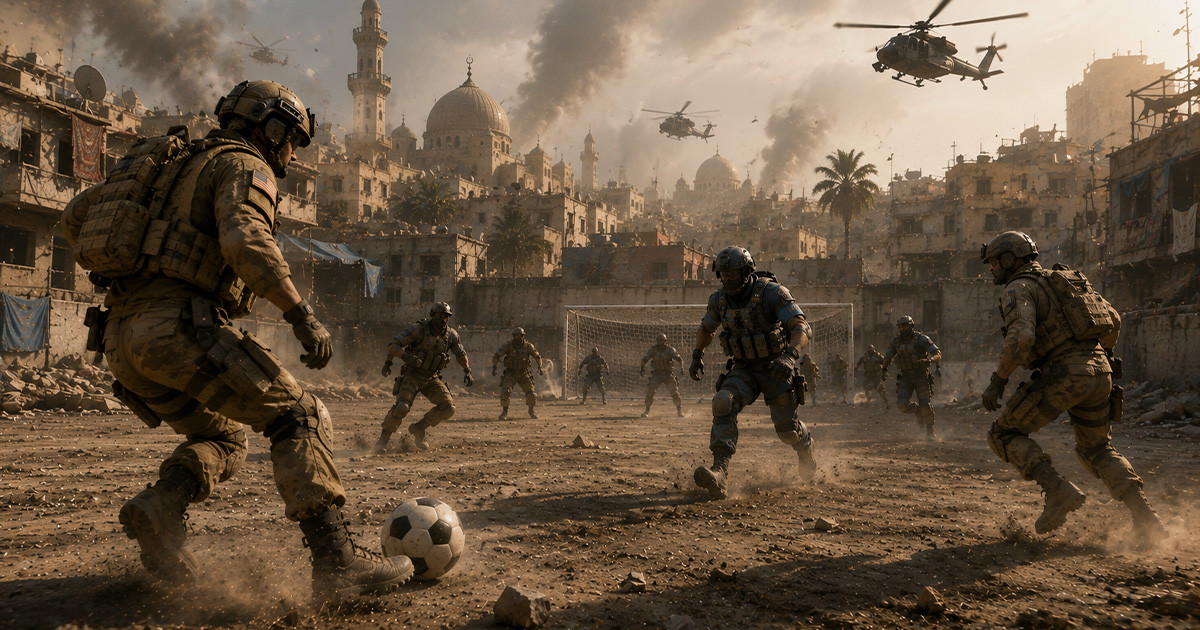
Gamers and industry analysts frequently cross genre boundaries when evaluating annual software releases, sparking debates that occasionally pit tactical shooter franchises against sports simulation giants. A recent satirical and analytical discussion on Hungarian gaming portal PC Guru playfully examined whether the tactical shooter Battlefield 6 could somehow make a better football title than EA Sports FC 27, highlighting the persistent community scrutiny faced by long-running sports game franchises.
While the premise relies on gaming humor rather than a literal design swap, it underscores player frustrations with iterative sports titles that release year after year with incremental updates. Industry commentators note that comparing a large-scale military sandbox like Battlefield to an association football simulation exposes the stark contrast in how developers handle physics, player movement, and annual product cycles.
As players weigh their options between traditional sports sims and chaotic multiplayer shooters, understanding the technical differences between these software categories sheds light on why genre comparisons, however tongue-in-cheek, resonate with modern gaming communities.
The Mechanics of Simulation Versus Sandbox Destruction
Comparing a soccer simulation like EA Sports FC to a tactical first-person shooter involves evaluating entirely different physics engines and gameplay loops. Soccer titles rely on precise ball physics, animation blending for tackles and strikes, and tactical artificial intelligence designed to mimic real-world association football. Electronic Arts develops these titles to reflect authentic leagues, player rosters, and club management features.
Conversely, titles developed under the Battlefield franchise focus on large-scale multiplayer combat, vehicle handling, and destructible environments powered by advanced engine technology. While a shooter engine handles projectile ballistics and structural collapse, it lacks the specialized sub-routines required to replicate a penalty kick, a curling free-kick, or off-the-ball tactical positioning on a regulation pitch.
Despite these technical boundaries, gaming culture frequently embraces absurd hypotheticals. Pitting a military shooter against a licensed sports game highlights consumer fatigue regarding roster updates, microtransactions, and gameplay stagnation in annual sports franchises.
Community Backlash and Annual Sports Franchise Fatigue
The conversation around whether alternative game engines could handle sports better than established franchises stems from broader discontent within the sports gaming community. Fans of series like EA Sports FC often voice concerns on forums and review platforms regarding lack of innovation, bugs in career modes, and a heavy emphasis on monetization modes like Ultimate Team.
When publications or community members suggest that a completely unrelated game—even in jest—might offer a more entertaining or stable experience, it reflects a desire for bolder creative risks in sports game development. Independent analysis from tech journalism outlets often points out that sports games face a captive market with limited direct competition, reducing the commercial pressure to overhaul core mechanics year over year.
Electronic Arts continues to update its football simulation roadmap with seasonal content patches and gameplay tuners, attempting to address community feedback regarding passing accuracy, defensive positioning, and goalkeeper behaviors.
What Lies Ahead for Sports and Shooter Franchises
Both major military shooters and sports simulations maintain distinct development timelines and dedicated player bases. Electronic Arts schedules ongoing patches and live-service updates for its sports portfolio throughout the competitive season, while studios under Electronic Arts and other major publishers continuously test new builds for upcoming shooter projects.
Players tracking upcoming software releases can consult official publisher announcements and developer deep-dives to monitor patch notes, roster updates, and gameplay balance adjustments. Engaging with community discussions and official forums remains the most reliable way to stay informed on how developers respond to player critiques across both genres.
Keep reading