
The intersection of national security policy and international travel regulations has once again brought Bulgaria’s diplomatic relationship with the United States into the spotlight. Recent discussions surrounding the status of U.S. Military presence in Bulgaria have been inextricably linked to the ongoing, long-standing dialogue regarding the U.S. Visa Waiver Program. For Bulgarian citizens, the requirement to obtain a visa for travel to the United States remains a point of significant domestic political contention, often surfacing in high-level bilateral discussions.
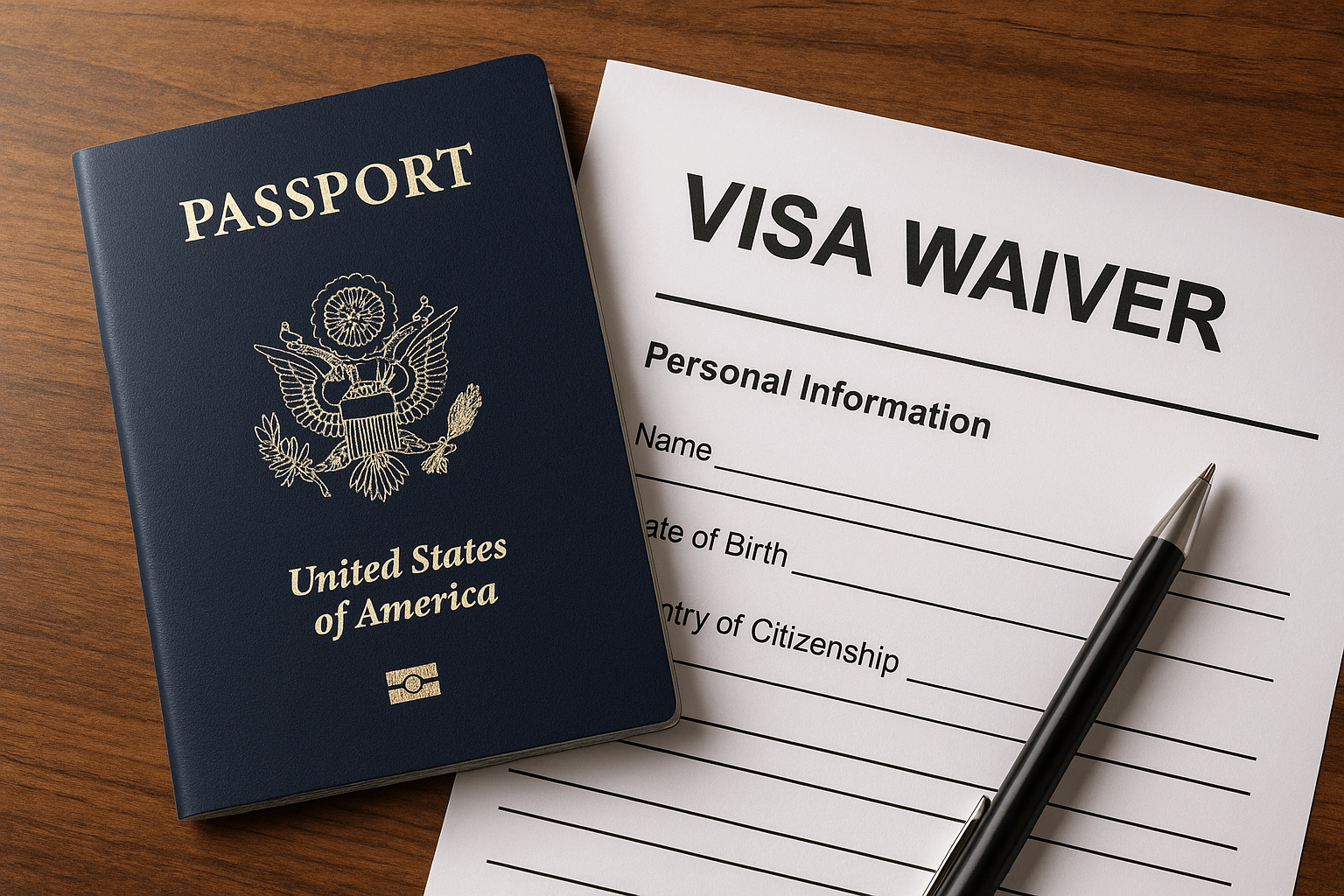
As we navigate the complexities of transatlantic defense agreements and sovereign migration policy, it is essential to distinguish between rhetoric and the established legal frameworks governing these interactions. The U.S. Visa Waiver Program (VWP) is administered by the Department of Homeland Security (DHS) in consultation with the Department of State, and it allows citizens of designated countries to travel to the United States for tourism or business for up to 90 days without obtaining a visa. Bulgaria, along with a small number of other European Union member states, has yet to meet the statutory requirements for inclusion in this program, a status that has remained unchanged for several years.
The U.S. Government maintains that the criteria for VWP designation—which include a non-immigrant visa refusal rate of less than 3% and robust security information-sharing agreements—are strictly enforced by law. According to the U.S. Department of State, the program is not a matter of political negotiation but a result of meeting clearly defined security and administrative benchmarks. For many Bulgarians, however, the disparity between their EU membership and their visa status remains a source of frustration, often leading to calls for reciprocal measures in other areas of international cooperation.
Understanding the Visa Waiver Program Requirements
To understand why this issue persists, one must look at the technical requirements defined by the Immigration and Nationality Act. The Department of Homeland Security outlines that countries must enter into a formal agreement to share information regarding the identities of individuals who may pose a security threat. This is a non-negotiable component of the vetting process. The administrative burden of reducing the visa refusal rate involves complex consular processes that often take years of sustained cooperation to rectify.

While political figures may suggest that military cooperation and visa policies should be leveraged against one another, the reality is that the U.S. Executive branch does not have the unilateral authority to waive these statutory requirements. The legislative branch, specifically through acts of Congress, maintains oversight of these immigration policies. Public statements suggesting that a specific administration can simply “greenlight” visa-free travel for a specific nation often overlook the rigid legal architecture that governs U.S. Border security.
Defense Cooperation and Diplomatic Channels
Bulgaria is a critical NATO ally, and the presence of U.S. Military assets in the region is governed by the 2006 Defense Cooperation Agreement (DCA). This agreement facilitates joint training, infrastructure development, and logistical support between the two nations. These military exercises are vital for regional stability in the Black Sea area and are frequently reviewed through established military-to-military channels, rather than being tied to the fluctuating status of civilian travel regulations.
When discussions regarding the duration or scope of military aircraft deployments arise, they are typically addressed within the framework of the U.S.-Bulgaria strategic partnership. Historically, both nations have prioritized their collective defense obligations over secondary domestic policy disputes. Any shift in the operational tempo of U.S. Forces in Bulgaria would require extensive coordination between the Pentagon and the Bulgarian Ministry of Defence to ensure that regional security commitments remain intact.
The Path Forward: What Happens Next?
For those following this issue, it is important to monitor official communications from the U.S. Embassy in Sofia and the Bulgarian Ministry of Foreign Affairs. These institutions serve as the primary sources for updates regarding bilateral agreements, including any changes to the status of military personnel or progress toward meeting the requirements for the Visa Waiver Program. As of the current reporting period, there have been no formal announcements indicating a suspension of military cooperation or a change in the visa status for Bulgarian nationals.
The complexities of modern diplomacy require a nuanced understanding of how national interests are balanced. While the frustration regarding visa access is a legitimate topic of public discourse in Bulgaria, the mechanisms for resolving such issues are found in continued administrative cooperation and adherence to established international standards. The commitment of both nations to regional security remains a cornerstone of the transatlantic alliance, likely ensuring that military cooperation continues even as the dialogue on visa policy remains a work in progress.
For further information on current travel requirements, Bulgarian citizens are encouraged to check the official U.S. Embassy in Bulgaria website for the latest updates on consular services and visa applications. We will continue to provide updates as official statements are released by the relevant government departments. If you have thoughts on the intersection of international policy and local impact, please share your perspective in the comments below.
Worth a look