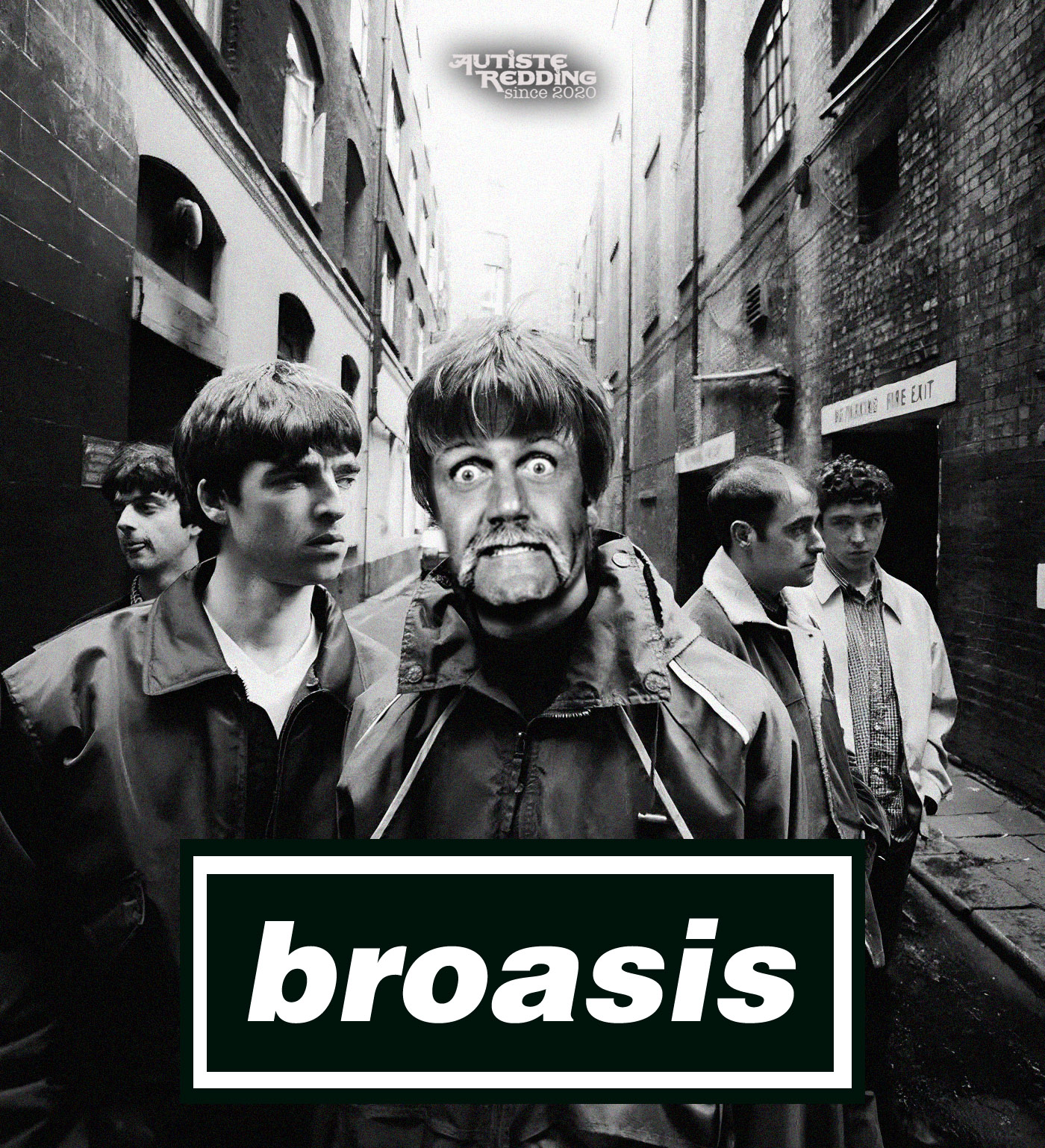
The enduring legacy of Britpop continues to resonate across the Atlantic, finding a unique home in the live music circuits of the United States. For fans of the Manchester-born icons Oasis, the scarcity of original performances has fostered a thriving subculture of tribute acts. Among these, the Chicago-based ensemble Broasis has carved out a niche, offering a nostalgic bridge for listeners seeking the quintessential sound of the 1990s. As the global conversation around live music performances evolves, these tribute bands play a critical role in preserving the discography of seminal acts for new and legacy audiences alike.
The phenomenon of tribute music is not merely an exercise in mimicry. it is a complex intersection of cultural preservation and community engagement. In cities like Chicago, which boasts a long-standing history of robust live performance venues, specialized acts are navigating the nuances of copyright and public performance rights. Understanding how these bands operate requires looking at the broader framework of the U.S. Copyright Act, which governs the public performance of musical compositions. While tribute bands provide a essential service to fanbases, they must strictly adhere to licensing requirements to ensure that original songwriters are compensated through organizations like ASCAP or BMI.
The Cultural Significance of Tribute Acts
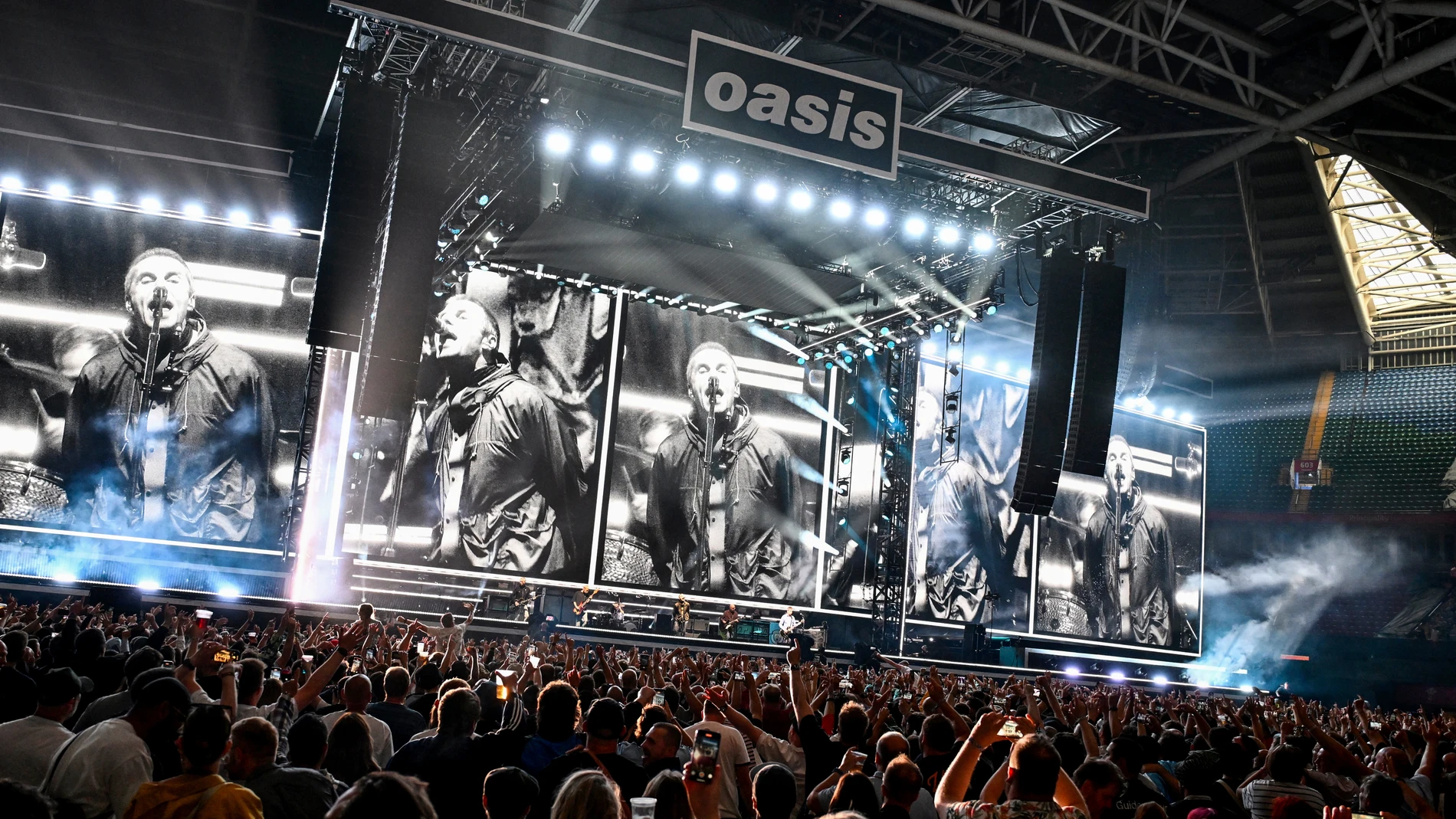
For many, the appeal of a band like Broasis lies in the communal experience of hearing anthems such as “Wonderwall” or “Don’t Look Back in Anger” in an intimate, live setting. Music historians often point to the “nostalgia economy” as a primary driver for the sustained popularity of 90s-era rock. Unlike digital streaming, which offers an isolated listening experience, live tribute performances facilitate a shared social environment. This is particularly relevant following the massive global interest surrounding the official announcement of the Oasis reunion tour for 2025, which has reignited interest in the band’s catalog worldwide.
The demand for such experiences is quantifiable. According to industry reports, the live music sector has seen a significant shift toward specialized touring acts as high-profile legacy bands limit their performance schedules. For fans who were unable to secure tickets to massive stadium tours, local tribute bands offer a accessible alternative. These performances serve as a testament to the longevity of the Britpop movement, a genre that fundamentally altered the landscape of alternative rock in the mid-1990s.
Navigating the Legal Landscape of Cover Bands
Operating a tribute band in a major metropolitan hub like Chicago involves more than just musical talent; it requires a deep understanding of venue-based licensing. Most professional venues in the United States maintain “blanket licenses” with performing rights organizations (PROs), which allow them to host cover bands without the need for individual song clearance for every performance. This system is crucial for the health of the local music ecosystem, ensuring that songwriters receive royalties regardless of who performs the work.
For those interested in the complexities of music law, the ASCAP guidelines on public performance provide a clear roadmap of how these legal frameworks protect artists while allowing for the proliferation of cover music. It is a delicate balance, one that allows groups like Broasis to perform publicly while respecting the intellectual property of the original artists. Fans attending these shows are indirectly participating in this ecosystem, supporting the venues that make local culture possible.
What the Oasis Reunion Means for Tribute Fans
The recent news regarding the Gallagher brothers’ reconciliation has created a surge in market demand for Oasis-related content. While official tours generate headlines, the grassroots appreciation for these songs remains a constant. The presence of tribute acts ensures that the “Britpop energy” is never truly dormant, even during the years when original members are pursuing solo projects or remain inactive as a collective.
As we look toward the 2025 touring schedule, the role of local bands becomes even more distinct. They act as placeholders for a global audience that is increasingly hungry for authentic, guitar-driven rock. The success of these shows in Chicago and beyond suggests that the appetite for the Oasis sound is not just a passing trend, but a permanent fixture of modern music culture.
Key Takeaways for Music Enthusiasts
- Support Local Venues: Tribute bands rely on the infrastructure of local bars and clubs to connect with audiences. Checking venue calendars is the best way to find upcoming performances.
- Understanding Licensing: Most venues handle the necessary performance rights, meaning your ticket purchase supports both the local musicians and the original songwriters through royalty pools.
- The 2025 Factor: With the official Oasis reunion confirmed, interest in the band’s history and music is expected to reach a multi-year peak.
The next major checkpoint for fans of this genre is the commencement of the official Oasis world tour, scheduled to begin in July 2025. Until then, the tribute circuit remains the primary way for fans to experience the energy of Manchester’s most famous export in their own backyards. We encourage our readers to share their own experiences with local tribute acts in the comments below—have you seen a performance that captured the magic of your favorite band? Join the conversation and let us know your thoughts on the enduring power of live music.
Worth a look