
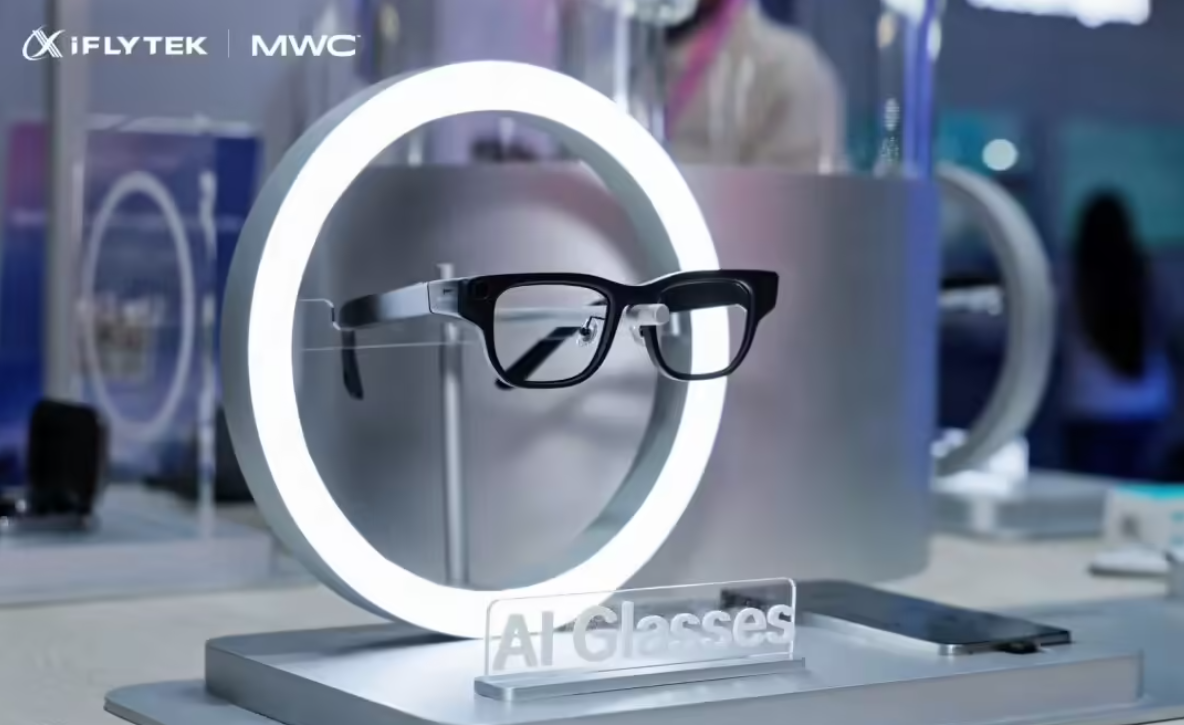
The race to integrate artificial intelligence into wearable hardware has reached a new inflection point, as Shenzhen-listed iFlytek Co., Ltd. Continues to push the boundaries of human-computer interaction. Known primarily for its sophisticated speech recognition and large language model capabilities, the company has recently showcased its latest iteration of AI-enabled eyewear. This development marks a shift from laboratory-bound software to consumer-facing hardware, aiming to address the persistent friction of cross-lingual communication in real-time settings.
As the global tech landscape shifts toward “AI-first” hardware, the introduction of iFlytek’s latest smart glasses highlights a broader industry trend. Major players, including Apple and Samsung, are similarly navigating the complexities of bringing generative AI to portable devices. For iFlytek, the focus remains on leveraging its proprietary voice-to-text and translation engines to provide a seamless experience for users operating across diverse linguistic environments. The company claims the device is capable of supporting translation across 122 languages, a figure that underscores the scale of their current linguistic data processing capabilities, as reported in recent corporate updates from the iFlytek official corporate portal.
The integration of advanced large language models (LLMs) into eyewear represents more than a novelty; it is a strategic effort to capture the “post-smartphone” market. By offloading complex computational tasks to cloud-based AI while maintaining a lightweight form factor on the user’s face, companies like iFlytek are attempting to solve the latency issues that have historically plagued real-time translation tools. This evolution in hardware design is part of a larger, ongoing shift in the consumer electronics sector, where the emphasis is moving away from static screen-based interaction toward ambient, voice-activated intelligence.
The Technological Pivot: From Software to Wearables
iFlytek’s strategy relies heavily on the maturity of its SparkDesk model—a generative AI platform designed to handle complex queries and multilingual translation tasks. The transition to eyewear is a logical step for a company that has spent over a decade refining voice synthesis and speech-to-text accuracy. According to company disclosures, the hardware is engineered to function as a “real-time assistant,” capable of providing immediate textual or audio feedback during conversations in different languages.
However, the sector remains volatile. While enthusiasm for AI hardware is high, investor sentiment regarding smart glasses has seen fluctuations. Recent market analysis indicates that the “smart eyewear” segment has experienced periods of correction as investors weigh the practical adoption rates against the high costs of research and development. The challenge for iFlytek, and its competitors, lies in achieving a balance between battery life, thermal management, and the actual utility of the AI features in everyday, non-specialized scenarios.
Competitive Landscape and Industry Adoption
The push for AI-integrated glasses is not limited to domestic Chinese firms. Global tech giants have signaled that the next generation of wearable devices will likely be defined by their ability to process visual and auditory data through multimodal AI. For instance, Apple’s ongoing focus on spatial computing and Samsung’s iterative updates to its wearable ecosystem suggest that the industry is converging on a vision where the glasses act as a primary interface for digital services.
According to data from the International Data Corporation (IDC), the wearable device market continues to evolve, with consumers increasingly favoring devices that offer more than just health tracking. The integration of generative AI into these form factors is expected to be a primary driver of growth in the mid-term. Yet, the barrier to entry remains significant, involving complex supply chain requirements and the need for robust privacy safeguards for users interacting with voice-sensitive AI.
Challenges in Implementation
Beyond the technical hurdles, companies like iFlytek face significant regulatory and ethical considerations. The deployment of AI that records and translates audio in public spaces requires careful navigation of data privacy laws, such as the EU’s General Data Protection Regulation (GDPR) or China’s Personal Information Protection Law (PIPL). Ensuring that the AI operates within these legal frameworks is essential for any company looking to scale these products internationally.
the utility of a 122-language translation tool is heavily dependent on the “contextual awareness” of the model. Translating a business negotiation requires a different level of precision compared to casual tourism-related dialogue. As noted by analysts at Gartner, the success of AI-integrated hardware will ultimately be determined by the “quality of the user experience,” rather than the raw number of languages supported.
Key Considerations for the Future of AI Eyewear
- Latency Management: The ability to process translation in under 500 milliseconds is critical for natural conversation.
- Form Factor: Consumers are resistant to bulky headgear; the push is toward frames that mimic standard eyewear.
- Privacy by Design: Future iterations will need to provide clear indicators when the AI is active, addressing concerns regarding surreptitious recording.
- Ecosystem Integration: Success will likely depend on how well the glasses sync with existing smartphone ecosystems (e.g., calendars, navigation, and messaging).
Looking Ahead
The next major checkpoint for the industry will be the upcoming cycle of consumer electronics trade shows, where manufacturers are expected to provide more concrete data on battery performance and real-world deployment timelines. While iFlytek has made significant strides in showcasing its capabilities at recent industry exhibitions, the transition from a “demonstration-ready” prototype to a mass-market, durable, and privacy-compliant consumer device remains the ultimate test for the firm.
As the business sector continues to monitor these developments, stakeholders are waiting for more granular reporting on the actual adoption metrics and the specific market segments—such as international trade, tourism, or education—that are most likely to benefit from these advancements. For those following the intersection of AI policy and market growth, further updates regarding the company’s expansion and regulatory filings will be crucial to watch in the coming fiscal quarters.
What are your thoughts on the future of wearable AI? Join the conversation in the comments section below, and stay tuned to World Today Journal for further updates on the evolving global AI hardware market.
Worth a look