
For decades, the seasonal search for the perfect one-piece swimsuit has been framed almost exclusively through the lens of aesthetics. The goal was often singular: to find a silhouette that aligned with fleeting fashion trends. However, as the intersection of wellness, ergonomics, and textile science becomes more pronounced, a new priority has emerged in the consumer landscape. Modern shoppers are no longer just looking for style; they are seeking functional solutions for physical support, skin protection, and bodily comfort.
Whether the objective is enhanced tummy control, robust support for large busts, or advanced UV protection, the “best” swimsuit is increasingly defined by how it interacts with the wearer’s physiology. As we move into a summer defined by both increased outdoor activity and a heightened awareness of health, understanding the medical and ergonomic implications of swimwear is essential. From the biomechanics of spinal alignment to the dermatological impact of synthetic fabrics, the choices we make at the beach or the pool have implications that extend far beyond the water’s edge.
In this feature, we examine the science behind the most requested swimwear features, moving past the marketing jargon to understand what truly matters for your health and comfort.
The Biomechanics of Support: Addressing Large Busts and Posture
One of the most frequent requirements in swimwear design is support for large busts. While often discussed in terms of “lift” or “shaping,” the necessity for structured swimwear is deeply rooted in orthopedic health. For individuals with larger chest volumes, the weight of the bust can exert significant downward force on the thoracic spine and the trapezius muscles.
When swimwear lacks adequate structural integrity—such as wide, adjustable straps or internal scaffolding—the body often compensates by rounding the shoulders forward or arching the lower back. This compensatory posture can lead to chronic tension in the neck and upper back, potentially exacerbating existing musculoskeletal issues. When selecting a one-piece, the focus should remain on the distribution of weight. High-quality support involves transferring the load from the shoulders to the torso through reinforced underbands or wider straps, which reduces the localized pressure on the brachial plexus and spinal column.
Key Elements of Ergonomic Support
- Strap Width: Wider straps distribute pressure more evenly across the shoulders, preventing the “digging” effect that can restrict circulation.
- Structural Integrity: Look for reinforced seams and, where appropriate, internal support structures that maintain the garment’s shape under tension.
- Adjustability: The ability to customize the fit ensures that the center of gravity remains stable, reducing the need for postural compensation.
The Compression Paradox: Tummy Control and Physiological Comfort
The demand for “tummy control” has become a cornerstone of the swimwear industry. From a psychological perspective, compression garments can provide a sense of security and confidence. However, from a physiological standpoint, the level of compression is a critical variable. High-compression fabrics are designed to smooth the abdominal profile, but they can also influence internal bodily functions.
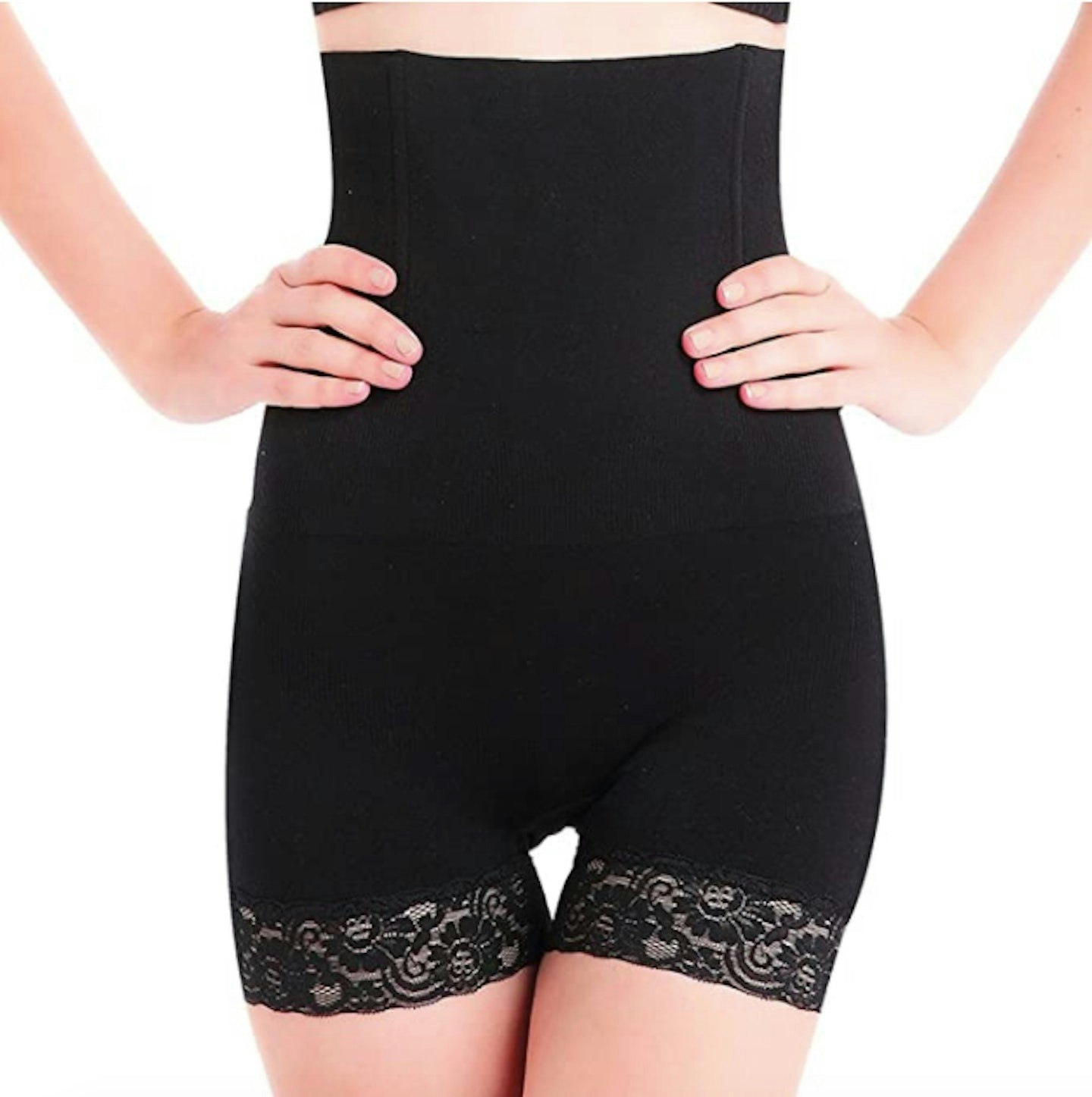
Excessive abdominal compression can, in some cases, impact gastrointestinal comfort by increasing intra-abdominal pressure. For many, this can lead to discomfort during active movement or even affect digestion. It is vital to ensure that any compression does not restrict the diaphragm’s ability to expand fully. Deep, diaphragmatic breathing is essential for efficient oxygen exchange, especially during swimming or water-based exercises. When evaluating “control” features, the goal should be a balance: enough tension to provide the desired silhouette without compromising respiratory ease or digestive comfort.
The Science of Skin Protection: UPF and Fabric Density
As dermatologists increasingly warn against the cumulative effects of UV exposure, the role of swimwear in skin cancer prevention has moved to the forefront. Most consumers are familiar with sunscreen, but “sun-protective clothing” offers a more consistent and reliable barrier against ultraviolet radiation. This is measured by the Ultraviolet Protection Factor (UPF).
Unlike SPF, which measures protection against UVB rays, UPF ratings indicate how much UVA and UVB radiation a fabric allows to reach the skin. A UPF 50 rating, for example, means that only 1/50th (or 2%) of the sun’s UV radiation penetrates the fabric. The effectiveness of a swimsuit’s UV protection is not just about the rating, but also about the fabric’s condition. As swimwear stretches—particularly in high-elastane areas like the bust or hips—the weave of the fabric opens, potentially allowing more UV rays to pass through.
To ensure maximum protection, consumers should consider the following:
- Fabric Density: Tightly woven fabrics generally offer higher natural protection.
- Color and Pigment: Darker, more saturated colors tend to absorb more UV radiation before it reaches the skin compared to lighter pastels.
- Material Composition: Synthetic fibers like polyester and nylon are often engineered specifically for high UPF ratings, whereas natural fibers like cotton may require much denser weaves to achieve similar protection.
Material Matters: Chlorine, Salt, and the Skin Barrier
The environment in which a swimsuit is worn—whether a chlorinated pool or a saltwater ocean—plays a significant role in skin health. Chlorine is a potent disinfectant, but it is also a harsh chemical that can strip the skin of its natural oils (sebum), leading to dryness, irritation, and a compromised skin barrier. Similarly, saltwater, while often perceived as “natural,” can lead to dehydration of the stratum corneum through osmotic effects.
Modern swimwear technology has responded with “chlorine-resistant” fabrics. These materials are engineered to maintain their elasticity and structural integrity despite repeated exposure to harsh chemicals. From a dermatological perspective, choosing fabrics that are smooth and non-abrasive can also minimize mechanical irritation, which is particularly important for individuals with sensitive skin or conditions like eczema.
Frequently Asked Questions Regarding Functional Swimwear
Q: How can I tell if my swimsuit is providing enough UV protection?
A: Always check the garment’s label for a certified UPF rating. If a rating is not provided, be aware that very light-colored or highly stretched fabrics may offer less protection than darker, more tightly woven options.
Q: Can high-compression swimwear affect my breathing?
A: If the garment feels restrictive around the ribcage or makes it tough to take deep breaths, the compression may be too high. For active swimming, prioritize garments that allow for full expansion of the chest.
Q: Why does my swimsuit lose its shape after a few months?
A: This is often due to “elastane fatigue,” caused by exposure to chlorine, salt, and heat. Using high-quality, chlorine-resistant synthetic blends can help extend the life of the garment’s support features.
the transition toward more functional swimwear reflects a broader cultural shift toward “intentional wellness.” By selecting one-piece suits based on ergonomic support, fabric technology, and physiological compatibility, consumers can enjoy the benefits of the water while prioritizing their long-term physical health.
Next Checkpoint: As textile regulations evolve, keep an eye on upcoming updates regarding international UV protection labeling standards to ensure you are making the most informed purchase possible.
Have you noticed a difference in comfort when choosing swimwear based on support or fabric type? Share your experiences and questions in the comments below.
Keep reading