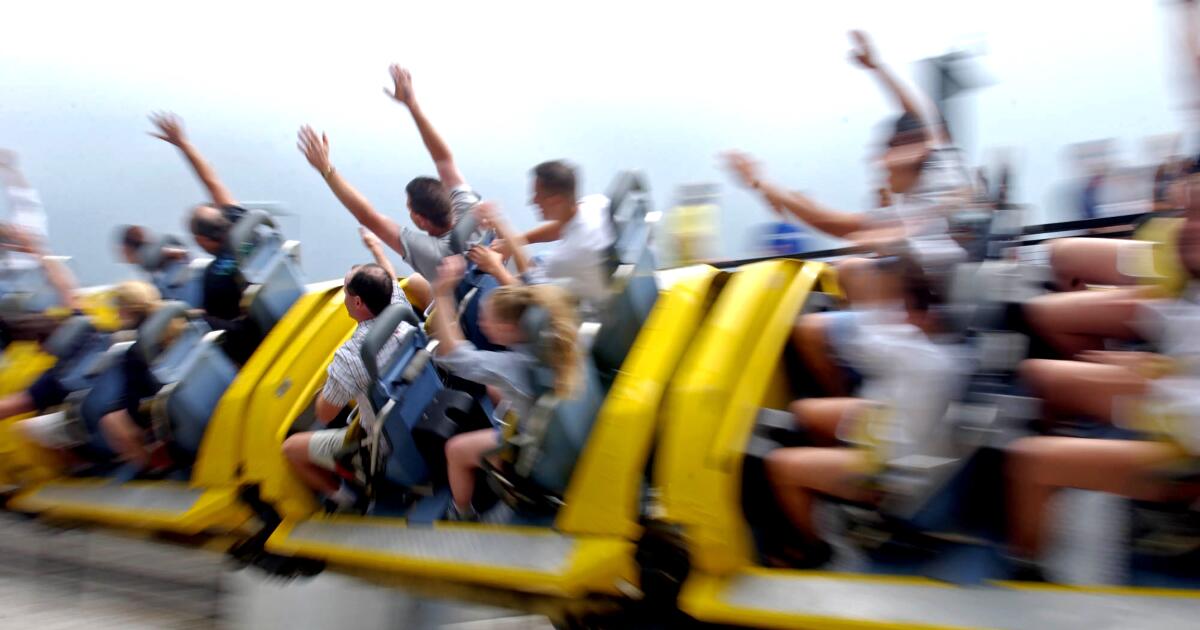
The intersection of social media content creation and public safety regulations has once again come under intense scrutiny following a recent incident at a Six Flags amusement park. A content creator, identified in reports as Allen Ferrell, has reportedly received a lifetime ban from the amusement park chain after attempting to consume food while riding a roller coaster. The incident, which highlights the growing friction between viral stunt culture and strict operational safety protocols, serves as a stark reminder that park policies regarding passenger conduct are non-negotiable.
For those of us covering the industry, this case is not merely about an individual’s actions but rather speaks to a broader, ongoing challenge for theme park operators: managing the behavior of visitors who prioritize digital engagement over established safety directives. Six Flags, like many major attractions, maintains stringent safety guidelines designed to prevent injury, including the prohibition of loose articles and the consumption of food or beverages while on high-speed attractions.
The Mechanics of Amusement Park Safety
Roller coasters are engineered to subject passengers to significant G-forces, rapid changes in direction, and sudden velocity shifts. When a guest attempts to eat on such a ride, they introduce a choking hazard not only to themselves but potentially to those in surrounding seats. The presence of food items—which are considered loose objects—poses a mechanical risk to the ride’s track and braking systems. Amusement park operators, governed by industry-wide safety standards, have little tolerance for behavior that compromises the structural or operational integrity of their attractions.

The decision to issue a lifetime ban is an enforcement tool used by large-scale entertainment providers to maintain decorum and safety. While individual park policies vary, most major chains operate under a code of conduct that permits the immediate removal and permanent exclusion of guests who engage in disruptive or dangerous behavior. In this instance, the attempt to film a stunt involving ten chicken nuggets became the focal point of the park’s disciplinary action, illustrating the firm stance management takes against activities that distract from the safe operation of their equipment.
Viral Culture vs. Operational Policy
In the digital age, the pressure to produce “viral” content has led some creators to push the boundaries of what is acceptable within public spaces. However, theme parks are private properties where the operator’s liability and the safety of the general public remain the primary concerns. When a creator chooses to ignore posted rules—such as those prohibiting eating on rides—they are not merely breaking a park policy; they are interfering with the controlled environment necessary to keep thousands of guests safe every day.
From a legal standpoint, theme parks are well within their rights to restrict access to individuals they deem a liability. The International Association of Amusement Parks and Attractions (IAAPA) emphasizes that guest compliance with safety instructions is a fundamental component of the overall safety management system. When that compliance is intentionally bypassed for the sake of social media views, the result is almost invariably a swift and permanent revocation of park privileges.
Key Considerations for Park Guests
- Safety First: All loose items, including food, cameras, and mobile devices, must be secured as directed by ride operators.
- Terms of Service: By purchasing a ticket, guests agree to abide by the park’s specific Code of Conduct, which is legally binding.
- Consequences: Violations of safety rules can result in immediate ejection from the park and, in cases of repeated or egregious offenses, a permanent ban from all properties in the chain.
Moving Forward: What This Means for Content Creators
This incident serves as a significant case study for the creator economy. As platforms continue to reward high-risk or unconventional content, the venues that serve as the backdrops for these videos are becoming increasingly vigilant. It is no longer enough to simply “get the shot”; creators must now navigate an environment where park security and legal teams are actively monitoring social media for evidence of rule violations.

Moving forward, we expect to see amusement parks continue to lean on digital surveillance and community reporting to identify those who violate safety protocols. For the average visitor, the takeaway remains clear: the rules exist for a reason, and the consequences of ignoring them—especially when documented online—are permanent. As of now, there have been no public statements regarding an appeals process for this specific ban, and it stands as an active enforcement of the park’s private property rights.
Jonathan Reed serves as the News Editor for World Today Journal. With over 16 years of experience in investigative reporting, he focuses on the intersection of international policy, public safety, and emerging cultural trends. If you have further information regarding this story or wish to provide an update, please reach out via our contact page. We welcome your thoughts on how public venues should balance digital accessibility with safety requirements in the comments section below.
Worth a look