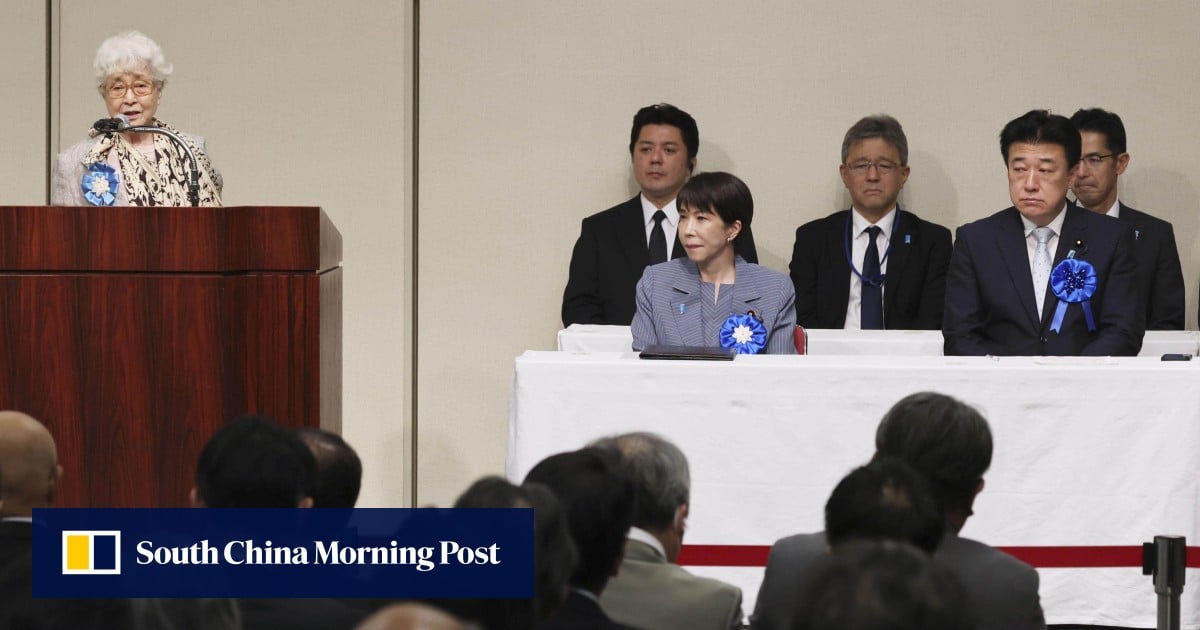
Japanese Prime Minister Shigeru Ishiba, who assumed office in October 2024, has placed the resolution of the long-standing abduction of Japanese citizens by North Korea at the center of his administration’s diplomatic agenda. The issue remains a profound national trauma in Japan, representing a significant barrier to the normalization of diplomatic relations between Tokyo and Pyongyang. While recent political rhetoric has emphasized a desire for a “breakthrough,” the path toward a tangible resolution remains fraught with historical complexity and geopolitical tension.
The abduction issue concerns a series of disappearances of Japanese nationals during the 1970s and 1980s. For decades, the Japanese government has maintained that North Korean agents kidnapped these individuals to train them in Japanese language and culture for use in espionage activities. In 2002, during a historic summit, North Korea admitted to the abductions of 13 Japanese citizens, leading to the repatriation of five survivors later that year, while Pyongyang claimed the others had passed away. The Japanese government, however, has never accepted these claims as conclusive, citing a lack of verifiable evidence and ongoing concerns regarding the fate of other missing citizens recognized by the state.
According to the official Headquarters for the Abduction Issue, the Japanese government officially identifies 17 individuals as abductees, though advocacy groups and family members suggest the number of victims could be significantly higher. The persistent demand for the return of these citizens remains a non-negotiable pillar of Japan’s foreign policy toward the Korean Peninsula, influencing everything from regional security cooperation to economic sanctions.
The Diplomatic Landscape and Regional Security
Achieving a breakthrough in this humanitarian crisis requires navigating a delicate balance between Japan’s domestic political pressure and the volatile security environment of East Asia. Prime Minister Ishiba has signaled a willingness to engage in high-level dialogue, including the possibility of a summit with North Korean leader Kim Jong-un, provided such meetings can yield concrete progress. This approach aligns with the long-standing policy of “dialogue and pressure,” which seeks to utilize international sanctions alongside open communication channels to compel Pyongyang to return the remaining abductees.
However, the regional security climate complicates these efforts. North Korea’s ongoing development of ballistic missile technology and its nuclear weapons program have led to heightened tensions involving Japan, South Korea, and the United States. As noted by the Ministry of Foreign Affairs of Japan, the abduction issue is fundamentally linked to the broader peace and stability of the region. Any diplomatic overture from Tokyo must be carefully coordinated with its security allies, particularly Washington, to ensure that efforts to resolve the abduction crisis do not inadvertently undermine the unified front against North Korea’s nuclear proliferation.
Economic policy also plays a role in the calculus. Japan’s willingness to consider financial aid or the normalization of ties is contingent upon the resolution of the abduction issue, a stance reiterated by successive administrations. For the families of the abductees, many of whom are aging, the urgency of the situation is paramount. The emotional weight of this issue has shaped the political careers of numerous Japanese leaders, making it a defining test of leadership for any Prime Minister.
Understanding the Historical Context
To grasp the gravity of the abduction issue, one must look back to the Cold War era. The kidnappings, which occurred primarily between 1977 and 1983, targeted young people and adults from coastal areas of Japan. The impact on the affected families and the Japanese public has been profound, fueling decades of grassroots activism and lobbying. The National Police Agency of Japan continues to investigate these cases as acts of state-sponsored terrorism, maintaining open files on the suspected North Korean agents involved.

The 2002 Pyongyang Declaration remains the most significant, albeit stalled, framework for addressing these grievances. While it provided a brief window of optimism, subsequent years have been marked by a lack of progress, leading to a deepening of mistrust. The Japanese public remains largely skeptical of North Korean promises, a sentiment that forces the current government to tread carefully when discussing the prospect of direct summit talks.
Key Considerations for the Future
- Verification: Any resolution will likely require an independent, international verification process to confirm the status of the remaining abductees, a condition Tokyo has consistently demanded.
- Multilateral Cooperation: Japan continues to seek support from the United Nations and other international bodies to keep the abduction issue on the global agenda, highlighting it as a serious violation of human rights.
- Political Will: The ability of the current Japanese administration to sustain domestic support for diplomatic engagement with Pyongyang will be tested by the outcomes of any preliminary discussions.
The Road Ahead
As the Ishiba administration continues its efforts, the focus remains on securing the safe return of the abductees. Officials from the Cabinet Secretariat are tasked with maintaining constant communication with the families of the victims, ensuring that their concerns remain at the forefront of the government’s diplomatic strategy. The government maintains that it will “weigh all options” to achieve a resolution, a phrase that reflects the complexity of the task ahead.
The next major checkpoint for these diplomatic efforts will likely be the upcoming international forums where Japan is expected to raise the abduction issue with regional partners. The government is committed to periodic updates through the Prime Minister’s Office as developments arise. While the goal of a “breakthrough” remains elusive, the persistence of the Japanese government demonstrates that this issue is not merely a diplomatic point of contention, but a fundamental matter of national sovereignty and human rights.
As we continue to monitor this evolving situation, we invite our readers to share their perspectives on the role of international diplomacy in resolving long-standing human rights cases. How should the international community better support the families of the abducted? Leave your thoughts in the comments section below.
Related reading