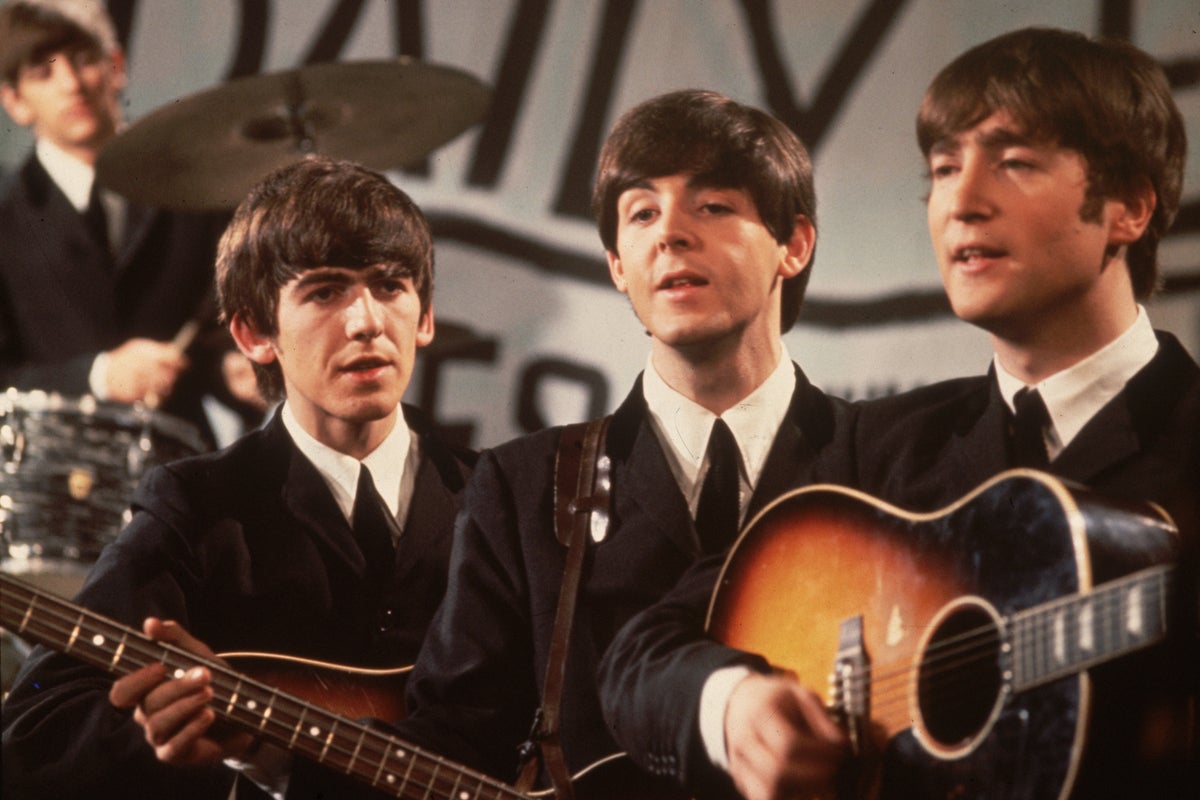
For decades, fans and music historians alike have dissected the internal dynamics of The Beatles, searching for the definitive hierarchy within the most influential band in history. In a recent, candid appearance on the popular digital series Chicken Shop Date, Sir Paul McCartney finally addressed the question of who he considered the true leader of the Fab Four. His answer, while perhaps unsurprising to those who followed the band’s inner workings, underscores the profound respect McCartney maintained for his late bandmate, John Lennon.
During the interview with host Amelia Dimoldenberg, the legendary songwriter was asked to name his favorite Beatle. McCartney, 82, did not hesitate, pointing to Lennon as the driving force behind the group’s trajectory. By identifying Lennon as the “leader” of the ensemble, McCartney offered a rare glimpse into the delicate power balance that defined their creative partnership throughout the 1960s. This revelation provides a poignant look at the personal admiration that underpinned one of the most successful collaborations in the history of popular music, as noted in recent coverage by BBC News.
The Creative Architecture of The Beatles
The dynamic between Paul McCartney and John Lennon has long been the subject of intense scrutiny. While the band functioned as a collective, the songwriting partnership—often credited as Lennon-McCartney—served as the engine of their global success. McCartney’s acknowledgment of Lennon’s leadership role highlights the magnetic personality and artistic vision that helped propel the band from their origins in Liverpool to international superstardom.
Lennon’s influence was not merely musical; he was often viewed as the band’s intellectual and rebellious spirit, a role that distinguished him during their early years. McCartney’s comments reflect a long-held sentiment that, despite the collaborative nature of their work, Lennon possessed a singular gravity that influenced the band’s creative output. This perspective aligns with historical accounts of their time together, where Lennon’s early leadership in The Quarrymen—the group that eventually evolved into The Beatles—set the tone for their future endeavors, as documented by The Guardian.
Reflecting on a Legacy
As one of the final remaining members of the band, alongside Sir Ringo Starr, McCartney continues to serve as an ambassador for The Beatles’ enduring legacy. His recent reflections, delivered with the dry wit and warmth that have become his trademark, remind audiences that behind the global phenomenon were four individuals navigating fame, artistic growth, and personal evolution. The conversation on Chicken Shop Date allowed for a more informal, humanizing look at a man who has spent most of his life in the public eye.

The Beatles officially disbanded in 1970, marking the end of an era that fundamentally shifted the landscape of modern rock and roll. Since then, the surviving members have navigated their individual careers while consistently honoring the memory of Lennon, who died in 1980, and George Harrison, who passed away in 2001. McCartney’s admission serves as a bridge between the past and present, reminding fans that the bond between the band members remains a central pillar of their narrative.
Key Insights into the Fab Four
- The Leadership Role: Paul McCartney identified John Lennon as the leader, citing his influence and early direction of the group.
- Enduring Respect: The interview highlighted the deep, lasting professional and personal respect McCartney holds for his former songwriting partner.
- Cultural Impact: The conversation reinforces the significance of the Lennon-McCartney partnership in shaping the sound of the 20th century.
- Modern Context: McCartney’s willingness to engage with contemporary media platforms like Chicken Shop Date shows his continued relevance in modern pop culture.
What Comes Next for the McCartney Legacy
For fans looking to dive deeper into the history of the band, the recent release of the restored 1970 film Let It Be on Disney+ provides an intimate look at the band’s final studio sessions. This, alongside the 2021 documentary series The Beatles: Get Back, directed by Peter Jackson, offers the most comprehensive visual record of the group’s creative process during their later years. These projects are part of a broader effort to preserve the band’s history for future generations, ensuring that the nuances of their relationships—like the one highlighted by McCartney—are understood in their proper context.
As McCartney continues to perform and engage with his audience, he remains a vital figure in the music industry. There are currently no official announcements regarding new studio projects, though he continues to maintain a presence in the arts, including his recent photography exhibitions and ongoing archival projects. Supporters of the legendary musician can follow his official channels for updates on future appearances and archival releases.
We would love to hear your thoughts on this look back at the band’s internal dynamics. Who do you consider the most influential member of The Beatles, and why? Join the conversation in the comments section below and share this article with fellow music enthusiasts.
Related reading